King Charles III’s health crisis speeds up William and Kate’s ascent to the British throne Por Luís Henrique Costa
7 min de leitura
 |
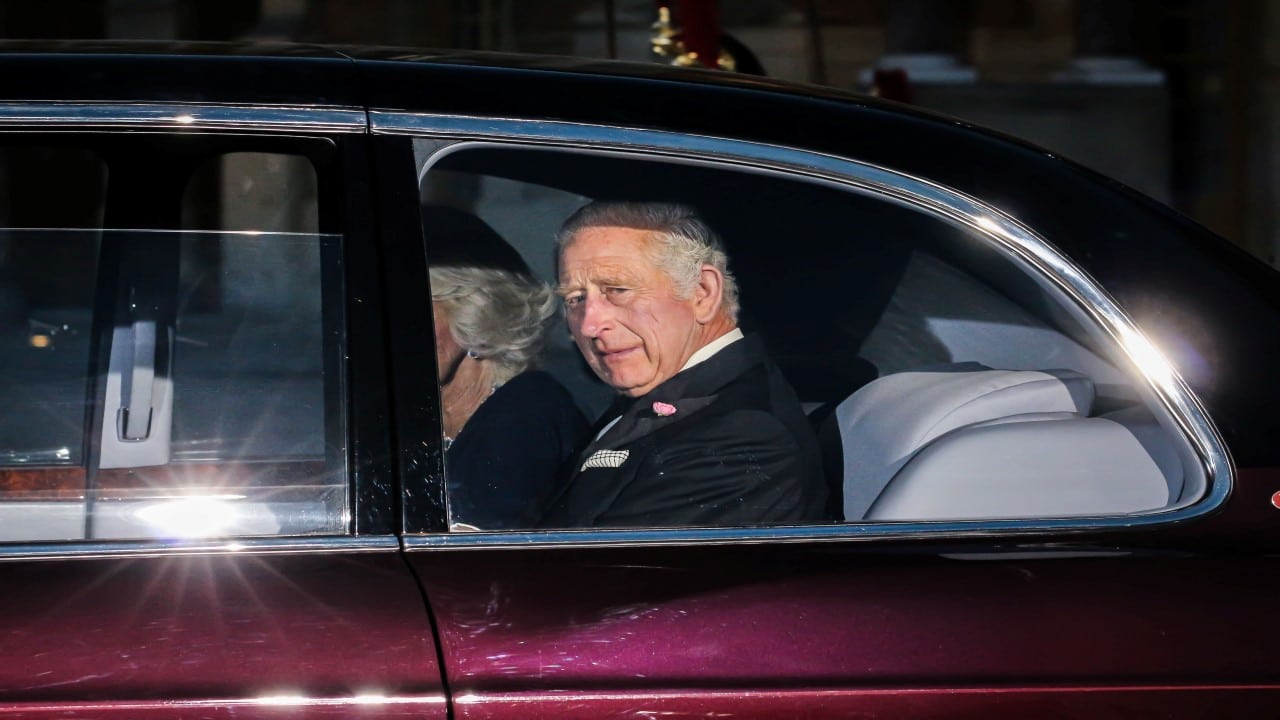
At 76 years old, King Charles III is battling advanced cancer diagnosed in February 2024, just 18 months after ascending the throne in September 2022 following the death of his mother, Queen Elizabeth II. The severity of his condition, first noticed during a hospital stay for a benign prostate issue, has dramatically altered the dynamics of the British monarchy, sharply reducing the king’s public appearances and accelerating succession plans. In this context, Prince William, aged 42, and Kate Middleton, also 42, are intensifying their preparations to lead the United Kingdom and the Commonwealth nations. The situation is further complicated by Kate’s own cancer diagnosis, announced in January 2024, adding uncertainty to the Crown’s future. As Charles delegates critical duties, such as international engagements and institutional roles, William has stepped into the spotlight, taking on high-profile events like the reopening of Notre-Dame Cathedral in Paris in December 2024.
The king’s fragile health comes during a reign still striving to establish its identity after Elizabeth II’s 70-year rule, one of the longest in British history. What was once envisioned as a gradual transition of power has now become urgent, with William and Kate preparing not only for ceremonial duties but also for the challenges of governance, foreign policy, and modernizing the monarchy. Charles’s reduced activities underscore the need to ensure stability at a time when the institution’s relevance is under scrutiny, while the couple works to adapt the Crown to the expectations of a globalized audience.
Siga o Mix Vale no Google e veja nossas notícias primeiro
Kate Middleton, who resumed public duties in 2025 after months away due to cancer treatment, is focusing on humanitarian causes like early childhood development and mental health, bolstering the royal family’s image of resilience. The couple’s preparation extends beyond public appearances, involving intensive training to manage royal estates and strengthen ties with the Commonwealth, a group of 56 nations facing growing pressures for independence.
Succession takes center stage amid decline
King Charles III’s worsening health has thrust the British monarchy’s line of succession into sharp focus. Should the king abdicate or pass away, William will immediately ascend as king, with Kate becoming Queen Consort, while Queen Camilla, Charles’s current wife, will take the title of queen dowager. The couple’s eldest child, Prince George, aged 11, will become first in line to the throne, followed by his siblings, Princess Charlotte, 9, and Prince Louis, 6. Prince Harry, William’s brother, remains fifth in line, behind his children, Archie and Lilibet.
William has taken on a prominent role, representing his father at global events and leading initiatives like the Earthshot Prize, launched in 2020, which highlights his commitment to environmental issues. Kate, even while recovering, maintains strategic involvement in projects that connect the monarchy with the public, such as mental health awareness campaigns. These efforts demonstrate a joint commitment to ensuring a smooth transition and keeping the Crown relevant in a rapidly changing world.
Intensive preparation for William and Kate
Beyond ceremonial roles, William and Kate’s preparation encompasses practical aspects of monarchical leadership. The couple is undergoing training in governance, foreign policy, and the administration of royal properties, while also working to reinforce ties with the Commonwealth, where stability is threatened by independence movements in nations like Jamaica and Australia. Modernizing the institution is a priority, with William promoting a more inclusive and less traditional approach, while Kate strengthens emotional ties with the public through social causes.
Charles III scales back and hands over duties
Since his cancer diagnosis, Charles III has been undergoing continuous treatment that severely limits his activities. Buckingham Palace initially reported the king’s optimism, but the lack of detailed updates has fueled speculation about the seriousness of his condition. With rare public appearances and a trimmed schedule, the transfer of responsibilities to William intensified from mid-2024 onward. The prince has taken on significant commitments, such as the Notre-Dame reopening and meetings with world leaders, signaling his readiness to lead.
Kate Middleton, after months sidelined by her own cancer treatment, resumed duties gradually in 2025. Her appearances have been selective, focusing on initiatives like early childhood development that solidify her role in the transition. Together, the couple’s efforts reflect a strategy to maintain the monarchy’s continuity amid uncertainty, balancing tradition with innovation.
Commonwealth under strain during leadership shift
The British monarchy faces a landscape of instability in its Commonwealth relations during this leadership change. In recent years, countries like Barbados, which became a republic in 2021, have signaled a growing trend toward breaking ties with the Crown. Others, such as Jamaica and Australia, are also debating similar moves, challenging William and Kate to prove the monarchy’s worth in a global context.
Key challenges include:
- Modernizing the institution to meet the demands of a more egalitarian society.
- Maintaining relevance in a world increasingly skeptical of monarchies.
- Strengthening ties with Commonwealth nations, many of which see the Crown as a colonial remnant.
William is betting on environmental and social causes to align the Crown with contemporary values, while Kate invests in projects that build an emotional connection with the public, essential for securing popular support.
Timeline of royal health events
The health struggles of Charles III and Kate Middleton have shaped the monarchy’s recent trajectory. Key milestones include:
- January 2024: Kate undergoes abdominal surgery and is later diagnosed with cancer.
- February 2024: Charles III is hospitalized for prostate treatment and receives a cancer diagnosis.
- September 2024: Kate gradually resumes public duties after months of treatment.
- December 2024: William represents his father at the Notre-Dame reopening in Paris.
- February 2025: Speculation about Charles’s declining health grows, with no official confirmation.
These events highlight how the monarchy has had to adapt swiftly to unexpected health crises, hastening William and Kate’s preparation for leadership.
Kate Middleton redefines her role
Diagnosed with cancer in January 2024, Kate Middleton stepped away from public life for months, disrupting her official schedule. After abdominal surgery and intensive treatment, she began resuming duties in mid-2024, focusing on causes like early childhood development. During this time, William balanced supporting his wife with his growing royal responsibilities, reinforcing his image as a dedicated leader.
Kate’s illness caused a temporary reduction in the couple’s engagements but also heightened public sympathy, strengthening their position as future rulers. Her resilience in the face of adversity is viewed as an asset to the royal family’s image, critical for maintaining its influence during this transitional period.
William and Kate shape the Crown’s future
As Charles III contends with cancer, William and Kate emerge as pivotal figures in modernizing the monarchy. The prince, with his diplomatic experience and environmental initiatives, and the princess, with her empathetic approach, are working to adapt the institution to a globalized audience. Their accelerated preparation reflects the severity of the king’s condition and a determination to keep the Crown relevant amid rapid change.
The transition faces significant hurdles, including pressure for internal reform and Commonwealth instability. William and Kate must balance tradition with innovation, a challenge that will define the next generation’s legacy. The prince invests in projects like the Earthshot Prize, while Kate focuses on social issues that bring the monarchy closer to the public, a strategy vital for its survival.
Historical lessons in a new transition
British history has witnessed complex royal transitions, such as Edward VIII’s abdication in 1936 and Elizabeth II’s rise in 1952 following George VI’s sudden death. Now, with Charles III battling a serious illness, the monarchy braces for another pivotal shift. William and Kate’s preparation reflects an effort to lead through uncertain times, ensuring the Crown’s stability amid global and domestic challenges.