Harvey Weinstein faces accusers again: Retrial highlights #MeToo legacy in New York
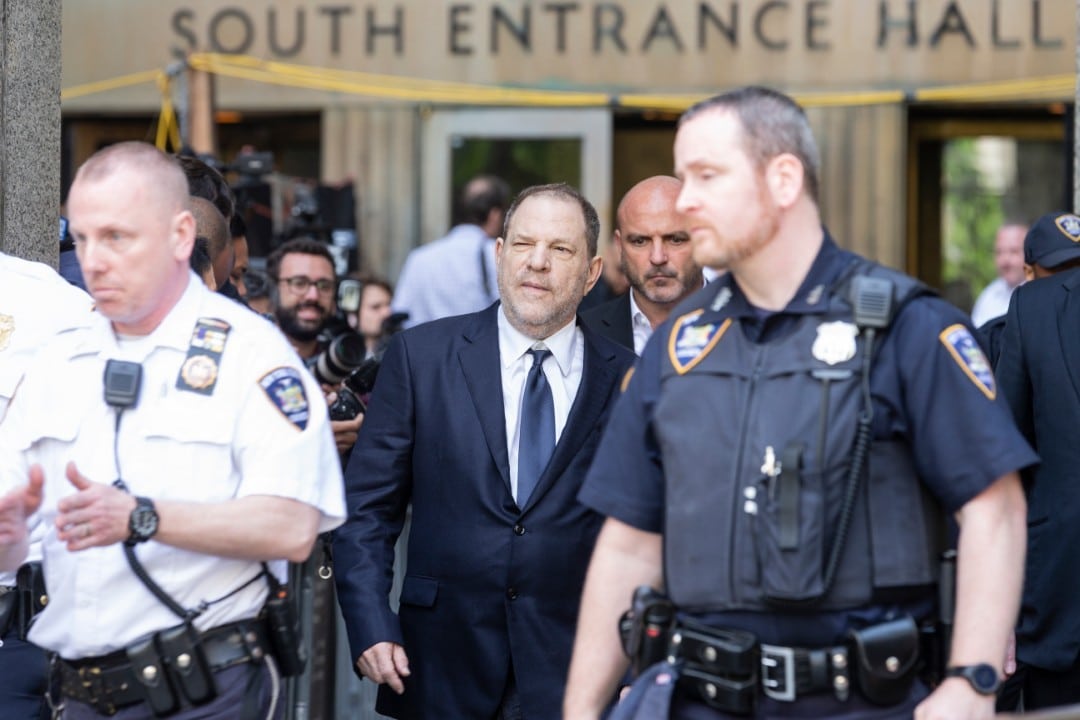
The second trial of Harvey Weinstein, once a towering figure in Hollywood, has gripped New York as prosecutors seek to hold him accountable for alleged sex crimes. The Manhattan courtroom, filled with jurors, legal teams, and spectators, is the stage for a case that continues to resonate with the #MeToo movement. Weinstein, now 73, faces charges that could reshape perceptions of justice for sexual assault survivors. This retrial, following the overturning of his 2020 conviction, introduces new allegations and witnesses, intensifying scrutiny on the former mogul’s legacy.
The proceedings, which began in April 2025, follow a 4-3 decision by New York’s highest court in April 2024, ruling that Weinstein’s initial trial was unfair due to prejudicial testimony. This time, the prosecution has streamlined its approach, focusing on three women whose accusations form the core of the case. Their stories, spanning from 2006 to 2013, paint a picture of alleged abuse enabled by Weinstein’s industry dominance. The trial’s outcome could influence how high-profile sexual misconduct cases are prosecuted in the future.
Key elements of the retrial include:
- A new charge involving an alleged assault in a Manhattan hotel in 2006.
- Testimony from Kaja Sokola, a former model who was 16 at the time of her alleged assault.
- The reappearance of Jessica Mann and Miriam Haley, whose accounts were central to the 2020 conviction.
- A defense strategy emphasizing consensual relationships and challenging accusers’ credibility.
As the trial progresses into its sixth week, the courtroom remains a focal point for debates about power, accountability, and the legal system’s ability to deliver justice. Weinstein, battling health issues and held at Rikers Island, has pleaded not guilty, setting the stage for a contentious legal battle.
New allegations surface in court
The inclusion of a new charge has added complexity to Weinstein’s retrial. In September 2024, prosecutors unsealed an indictment accusing Weinstein of sexually assaulting a woman in a Manhattan hotel in 2006. This accuser, identified in court as Kaja Sokola, testified that Weinstein assaulted her when she was a 16-year-old model newly arrived in New York. Her account, detailing an incident in Weinstein’s SoHo apartment, marks a significant addition to the case. The charge, a first-degree criminal sexual act, underscores the prosecution’s effort to strengthen their case after the 2024 ruling.
Sokola’s testimony, which began in the trial’s fourth week, described a lunch meeting with Weinstein that turned predatory. She recounted how the then-50-year-old producer took her to his apartment under the pretense of discussing her career. There, she alleged, he forced her to engage in sexual acts. The incident, though too old for standalone criminal charges, supports the broader narrative of Weinstein’s alleged pattern of abuse. Her cross-examination, which resumed on May 13, 2025, has been a focal point, with defense attorneys questioning her memory and motives.
The new charge has drawn attention from legal analysts, who note its potential to sway jurors. Unlike the 2020 trial, which included testimony from six women, the retrial focuses on three accusers to avoid the pitfalls of “Molineux evidence”—testimony about uncharged acts that the appeals court deemed prejudicial. Prosecutors hope Sokola’s story, combined with the accounts of Mann and Haley, will convince jurors of Weinstein’s guilt.
Testimony revisits past trauma
Miriam Haley, a former television production assistant, was the first of the three accusers to testify in the retrial. Her account centers on an incident in July 2006, when Weinstein allegedly assaulted her in his SoHo apartment. Haley, who also testified in the 2020 trial, described being invited to the apartment the night before a Los Angeles premiere. She told jurors that Weinstein lunged at her, kissing and groping her despite her protests. When she tried to leave, he allegedly pushed her into a bedroom and forced her onto a bed.
Haley’s testimony, delivered over two days in late April 2025, highlighted the power dynamics at play. Having met Weinstein in 2004 at a London premiere, she later worked as a production assistant on one of his television shows. Her account emphasizes how Weinstein’s influence in the industry made refusal difficult. Prosecutors underscored this point, arguing that Weinstein exploited his authority to coerce compliance. Haley’s emotional testimony, marked by moments of distress, has resonated with advocates who see the retrial as a test of the #MeToo movement’s enduring impact.
The defense, led by attorney Arthur Aidala, has sought to undermine Haley’s credibility by highlighting subsequent interactions with Weinstein. Emails and messages suggesting a friendly relationship have been presented to jurors, with Aidala arguing that the encounters were consensual. This strategy mirrors the defense’s approach in the 2020 trial, where they portrayed Weinstein’s relationships as mutually beneficial.
Jessica Mann’s account takes center stage
Jessica Mann, an aspiring actress at the time of her alleged assault, is expected to testify in the trial’s sixth week, beginning May 19, 2025. Her allegations stem from an incident in 2013, when she claims Weinstein raped her at a Manhattan hotel. Mann’s testimony in the 2020 trial was pivotal, contributing to Weinstein’s conviction on charges of third-degree rape. Her reappearance in the retrial is anticipated to be a critical moment, as prosecutors aim to reinforce the pattern of predatory behavior.
Mann’s story begins with her meeting Weinstein at a Hollywood party, where he expressed interest in her career. Subsequent meetings, she alleges, turned coercive, with Weinstein using promises of roles to manipulate her. In court, she is expected to recount how Weinstein lured her to a hotel room under the guise of a professional discussion, only to assault her. Her testimony in the first trial was emotionally charged, with Mann breaking down as she described the impact of the assault.
The defense has signaled plans to challenge Mann’s account by pointing to inconsistencies and post-incident communications. Aidala has described the accusers as “manipulative” and suggested their relationships with Weinstein were driven by ambition. This narrative has drawn criticism from advocates, who argue it perpetuates harmful stereotypes about sexual assault survivors. Mann’s testimony, expected to span several days, will likely be a flashpoint in the trial.
Legal strategies shape the courtroom
The prosecution, led by Assistant District Attorney Shannon Lucey, has adopted a focused approach in the retrial. In opening statements on April 23, 2025, Lucey described Weinstein as a “Hollywood gatekeeper” who wielded “unfettered power” to exploit vulnerable women. The strategy centers on the three accusers’ stories, supported by expert testimony on the psychological effects of sexual assault. This approach aims to contextualize why the women remained silent for years and maintained contact with Weinstein.
Key prosecution tactics include:
- Emphasizing Weinstein’s industry influence to explain the accusers’ compliance.
- Using expert witnesses to address common misconceptions about victim behavior.
- Limiting testimony to charged incidents to comply with the appeals court’s ruling.
- Highlighting the consistency of the accusers’ accounts across both trials.
The defense, meanwhile, has leaned on Weinstein’s deteriorating health and public perception to garner sympathy. Aidala has argued that the #MeToo movement’s intensity in 2020 biased jurors, a claim he believes is less relevant in 2025. By portraying Weinstein as a target of opportunistic accusers, the defense seeks to cast doubt on the prosecution’s narrative. This strategy has sparked debate about the balance between accountability and fair trial rights.
Health concerns loom over proceedings
Weinstein’s health has been a recurring issue throughout the retrial. Held at Rikers Island since his 2020 conviction was overturned, he has faced multiple medical challenges, including bone marrow cancer, diabetes, and heart issues. In January 2025, Weinstein pleaded with Judge Curtis Farber to expedite the trial, calling Rikers a “hellhole” and citing his declining condition. His lawyers have since secured permission for him to stay at Bellevue Hospital during the trial, arguing that Rikers’ conditions exacerbate his ailments.
In court, Weinstein has appeared frail, often arriving in a wheelchair. His legal team has filed complaints about his medical care, including a lawsuit against New York City for negligence. These health concerns have drawn mixed reactions, with some seeing them as a bid for leniency and others acknowledging the challenges of incarcerating an elderly defendant. Judge Farber has expressed empathy but maintained the trial’s schedule, balancing Weinstein’s needs with judicial efficiency.
Jury selection sets the tone
The process of selecting a jury for Weinstein’s retrial began on April 15, 2025, and spanned four days. Approximately 300 prospective jurors were screened, with many dismissed due to scheduling conflicts or admitted biases. The final jury, consisting of seven women and five men with six alternates, was seated on April 22. The selection process was marked by moments of tension, including a woman gasping upon hearing Weinstein’s name.
Jurors were questioned about their exposure to media coverage and personal experiences with sexual assault. Judge Farber conducted closed-door interviews with those who reported potential biases, ensuring a panel capable of impartiality. The jury’s composition has been scrutinized, with analysts noting the potential influence of gender dynamics. Prosecutors and defense attorneys have both expressed confidence in the panel’s ability to focus on evidence.
#MeToo’s legacy in focus
The retrial has reignited discussions about the #MeToo movement, which Weinstein’s 2020 conviction helped galvanize. The movement, sparked by allegations against him in 2017, empowered countless survivors to speak out. However, the overturning of his New York conviction in 2024 raised concerns about the legal system’s ability to hold powerful figures accountable. Advocates see the retrial as an opportunity to reaffirm the movement’s goals.
Public sentiment, as reflected in media and online discussions, is divided. Some view the retrial as a necessary step toward justice, while others argue it re-traumatizes survivors. The case has also drawn attention to broader issues, such as:
- The challenges of prosecuting historical sexual assault cases.
- The role of media in shaping public perception of high-profile trials.
- The psychological toll on survivors who testify multiple times.
- The evolving cultural attitudes toward sexual misconduct allegations.
The trial’s visibility has been amplified by prominent figures, including attorneys Gloria Allred and Lindsay Goldbrum, who represent Haley and Sokola, respectively. Their statements outside court have emphasized the courage of the accusers and the case’s significance for survivors worldwide.
Defense challenges accusers’ motives
Weinstein’s defense team has consistently framed the accusers as opportunistic, leveraging their interactions with Weinstein for career advancement. In opening statements, Aidala described the relationships as “friends with benefits,” arguing that the women willingly engaged with Weinstein. This narrative has been met with backlash from advocates, who argue it misrepresents the power imbalances inherent in the entertainment industry.
The defense has pointed to specific communications, such as emails from Mann expressing gratitude to Weinstein, to suggest consent. They have also highlighted Sokola’s delay in reporting the alleged assault, questioning her credibility. These tactics aim to create reasonable doubt among jurors, a strategy that proved partially successful in the 2020 trial, where Weinstein was acquitted of predatory sexual assault charges.
Prosecutors have countered by emphasizing the coercive nature of Weinstein’s actions. They argue that the accusers’ continued contact with him reflects fear of retaliation rather than consent. This dynamic, they contend, is central to understanding the allegations and the broader context of Weinstein’s influence.
Courtroom dynamics and public attention
The Manhattan courtroom has been a hub of activity, with reporters, activists, and curious onlookers filling the gallery. The trial’s high profile has led to strict security measures, including limited public access to certain sessions. Judge Farber has maintained a firm hand, addressing procedural issues and ensuring the trial adheres to legal standards.
Public demonstrations outside the courthouse, though smaller than in 2020, have underscored the case’s cultural significance. Activists have held vigils supporting the accusers, while others have protested what they see as an unfair prosecution of Weinstein. These displays reflect the polarized views surrounding the case and its implications for the #MeToo movement.
The trial has also attracted commentary from legal experts, who note its potential to set precedents for sexual assault prosecutions. The exclusion of Molineux evidence, a key factor in the 2024 ruling, has forced prosecutors to refine their approach, focusing solely on charged incidents. This shift has made the trial a case study in balancing evidentiary rules with the need to convey a pattern of behavior.
Witnesses provide critical context
Beyond the accusers, other witnesses have played a significant role in the retrial. Elizabeth Perz, a former executive assistant to Weinstein, testified about a list known as “friends of Harvey,” which cataloged women by city and region for event invitations. Her testimony, delivered in the trial’s fifth week, suggested a systematic approach to Weinstein’s interactions with women, supporting the prosecution’s narrative of predatory behavior.
Additional witnesses, including psychological experts, have been called to explain the effects of trauma on memory and behavior. These testimonies aim to address jurors’ potential skepticism about delayed reporting or post-assault interactions. The defense has challenged these experts, arguing that their testimony risks biasing the jury by framing the accusers as victims.
The interplay between witness accounts and legal arguments has kept the trial dynamic, with each side seeking to shape jurors’ perceptions. As the trial moves into its sixth week, the focus on Mann’s testimony and ongoing cross-examinations will likely intensify the courtroom’s atmosphere.
Weinstein’s California conviction looms
While the New York retrial dominates headlines, Weinstein’s 2022 conviction in California remains a significant factor. Sentenced to 16 years for raping an Italian actress in 2013, he is appealing that conviction, citing similar issues with uncharged testimony. The California case, which followed his New York conviction, underscores the breadth of allegations against him, with over 100 women accusing him of misconduct.
The California sentence ensures that, regardless of the New York outcome, Weinstein faces substantial prison time. However, a not guilty verdict in Manhattan could bolster his appeal in California, potentially affecting his overall legal strategy. Prosecutors in New York have been careful to avoid referencing the California case directly, focusing instead on the charges at hand to maintain jury focus.