Experts reveal 5 essential eating habits to lose weight with health and balance Por Beatriz
4 min de leitura
 |
Adopt these 5 eating habits proven by science to facilitate healthy weight loss. Nutritionists highlight that simple changes in everyday life promote lasting results without extreme restrictions. The focus lies on balanced choices that increase satiety and metabolism. These habits integrate fiber, protein and hydration, essential for those seeking sustainable weight loss.
Recent studies indicate that consistent adherence to appropriate dietary practices leads to an average 5% reduction in body weight over six months, improving cardiovascular health.
Siga o Mix Vale no Google e veja nossas notícias primeiro
- Prioritize plant-rich meals to control portions naturally.
- Include lean proteins in every meal to maintain muscle mass.
- Drink water before meals to reduce calorie consumption by up to 13%.
Portion control starts the way
Adjusting the size of your meals appears as the first fundamental habit for those who want to lose weight. Nutrition professionals recommend dividing your plate into balanced portions, with half dedicated to non-starchy vegetables. This strategy avoids excess calories without requiring rigorous counting.
Keeping a simple food diary reinforces this control, allowing you to identify consumption patterns throughout the week. Daily records show that individuals who monitor their intake lose up to 2 kg more compared to those who do not.
Fibrincrease daily satiety
Including fiber in your eating routine directly affects the feeling of fullness after meals. Foods such as oats, citrus fruits and whole vegetables release energy gradually, stabilizing blood glucose levels. A daily serving of 25 to 30 grams of fiber contributes to a 10% reduction in nighttime appetite.
Research with groups of volunteers reveals that diets rich in fiber reduce total food intake by 200 calories per day. Furthermore, this habit improves intestinal transit, preventing bloating that masks progress on the scale.
The impact extends to metabolic longevity, with benefits observed in cohort studies over years.

Proteins preserve muscles
Consuming protein with each meal protects muscle mass during the weight loss process. Sources such as eggs, fish and legumes provide amino acids that accelerate basal metabolism by up to 15%. Women who incorporate 1.2 grams of protein per pound of body weight daily report greater adherence to eating plans.
This nutrient also modulates hunger hormones, reducing ghrelin spikes. In controlled experiments, participants on protein diets lost 1.5 times more visceral fat than on rdiets with low protein content. The variety of accessible options makes everyday implementation easier.
Hydration boosts metabolism
Drinking enough water activates thermogenic processes in the body, burning extra calories during digestion. Adults who drink 2 to 3 liters a day see a 30% increase in fat oxidation at rest. Starting the day with a glass of water speeds up your morning metabolism by 20%.
Longitudinal studies confirm that adequate hydration prevents confusion between thirst and hunger, cutting out unnecessary snacks. Cold water enhances this effect, requiring energy for body heating. Add unsweetened teas to vary flavors without adding calories.
Avoid distractions during meals
Eating attentively to your plate improves the perception of satiety, reducing excessive consumption by 25%. Avoiding screens or reading during meals allows the brain to register hormonal signals of fullness within 20 minutes. Groups that practice this mindfulness maintain weight loss for longer.
Chewing slowly, around 20 to 30 times per bite, reinforces this mechanism. Observations in nutrition clinics show that this habit reduces caloric intake by 12% per meal. Take conscious breaks to transform meals into moments of balance.
Integration of these habits into everyday life
Combining the five habits requires initial planning, but yields 80% adherence in three months, according to reports from researchers.specialists. Start with weekly goals, like adding fiber to two meals a day. Gradual adjustments prevent overload and promote consistency.
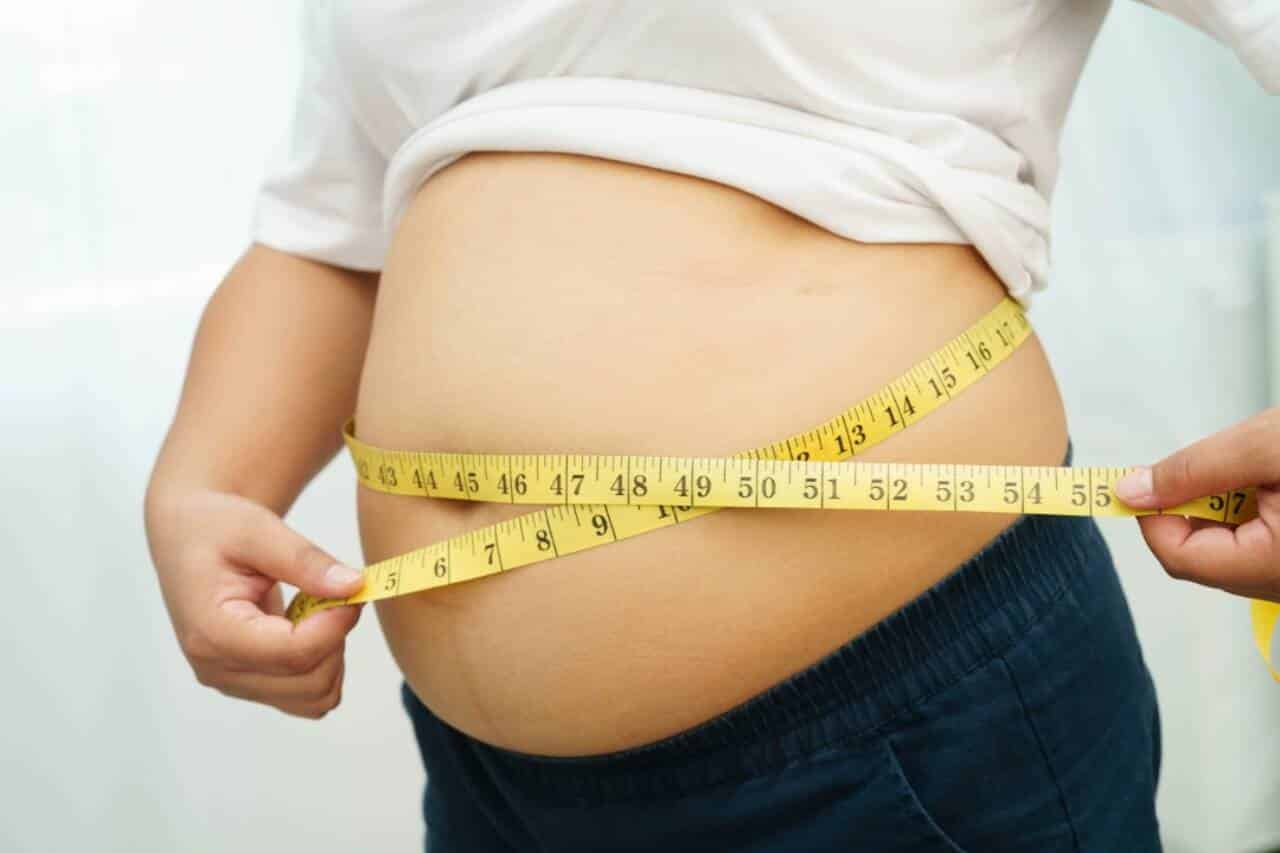
Monitoring weekly progress, without obsessing over the scale, maintains motivation. Professionals suggest associating these habits with light walks to enhance the effects. Results appear in measurable body variations, such as a reduction in abdominal circumference by 4 cm.
Individual adaptation considers factors such as age and routine, ensuring personalized effectiveness.
- Try recipes with quinoa for fiber and protein combined.
- Use apps for daily hydration reminders.
- Plan weekly purchases focused on fresh, wholesome items.