In 2025, 23 French companies still operate in Russia, even after the departure of giants such as Renault and Société Générale since the start of the conflict in Ukraine in 2022. The retail chain Auchan and the building materials store Leroy Merlin stand out, with sales of US$3.27 billion and US$6.79 billion in 2024, respectively. These companies, which paid $565 million in taxes to the Russian government, face criticism for contributing to the local economy amid international sanctions.
The decision to remain in the Russian market is motivated by factors such as the difficulty of exit due to Kremlin regulations and the economic relevance of the operations.
- Auchan operates 94 hypermarkets and 138 supermarkets in Russia.
- Leroy Merlin is the third largest company by sales in the country.
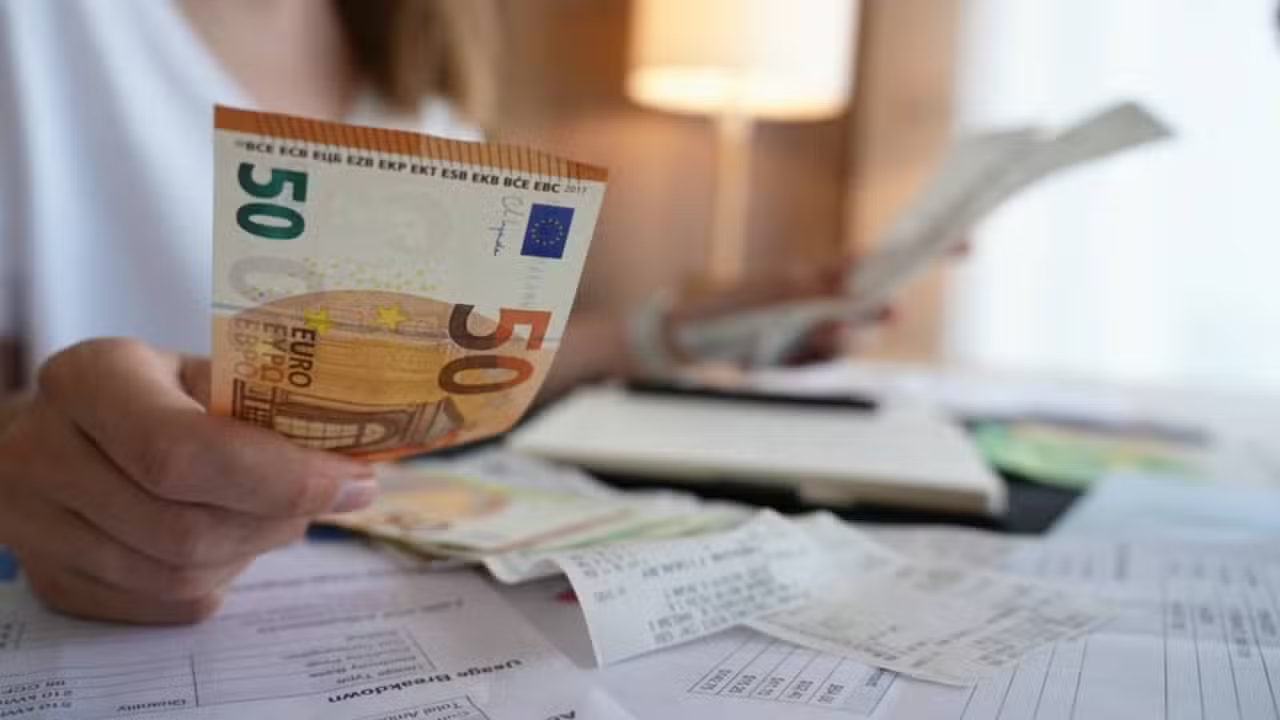
- Together, foreign companies paid €17.2 billion in taxes in 2024.
Reasons for staying
French companies remaining in Russia face a complex scenario. Russian law requires discounts of up to 60% on assets and a 35% exit tax, making withdrawals difficult.
Many companies justify their continuity to meet the population’s basic needs. Auchan, for example, claims that its operation aims to “help feed the Russians”.
Economic impact on the Russian market
Auchan and Leroy Merlin lead in sales volume in Russian retail. In 2023, Leroy Merlin was among the biggest tax payers in the country, alongside L’Oréal.
The revenue of these companies is significant, but analysts point out that the value of the businesses has fallen. The Auchan operation, for example, is valued at €179 million, compared to €3 billion in 2022.
The presence of foreign companies is seen as supporting the Russian economy. According to the Kyiv School of Economics, international companies have contributed €51.8 billion in taxes since 2022.
Strategic sectors
The food and essential goods industry is the main argument for companies to maintain operations. Bonduelle, a manufacturer of food products, highlights that it serves 146 million consumers in Russia and neighboring countries.
Other sectors, such as aerospace, face restrictions due to European Union sanctions. This led companies like Safran to quickly abandon the Russian market.
The decision to remain, according to experts, reflects the absence of specific sanctions on consumer goods.
Continuity Criticism
Groups like B4Ukraine criticize companies that remain in Russia. Director Nezim Sinani claims that the impositionspaid funds finance the Russian war economy.
International pressure is growing for these companies to close their operations. Despite this, chains like Auchan deny rumors of a sale, even with speculated negotiations with Gazprombank.
Costly exit
The exit of companies like Renault illustrates the challenges. The automaker sold its assets for a symbolic amount, losing 10% of its global revenue.
Other companies, such as Air Liquide, face difficulties in recovering investments. Its assets were placed under “temporary management” by the Russian government in 2025.
Some companies, such as Kering and Décathlon, have chosen to maintain minimal operations, with employees laid off but without full exit.
Future scenario
The permanence of French companies in Russia reflects a balance between ethical and financial pressures. The absence of sanctions on consumer goods allows for continued operations but draws criticism.