Bangu achieved a surprising 2-1 victory over Flamengo on Wednesday night, January 15, 2026, at Moça Bonita stadium, marking the first round of the Campeonato Carioca. This significant win broke a 23-year winless streak against the favored Rio club.
The historic upset saw the home team open the scoring just four minutes into the match, demonstrating immediate intent and efficiency against Flamengo’s youth squad. The early lead set a determined tone for Bangu’s performance throughout the first half.
Flamengo, fielding its under-20 team as its professional squad undergoes pre-season training, faced an unexpected challenge from a highly motivated Bangu side. The young Flamengo players struggled to contain Bangu’s offensive bursts, particularly those orchestrated by their standout Haitian forward.
Haitian star Garrinsha spearheads historic Bangu victory
The opening goal came early when PK capitalized on a pass from Garrinsha, deftly flicking the ball past goalkeeper Léo Nannetti at the four-minute mark. This quick strike immediately put Flamengo on the back foot, forcing their young players to chase the game from the outset.
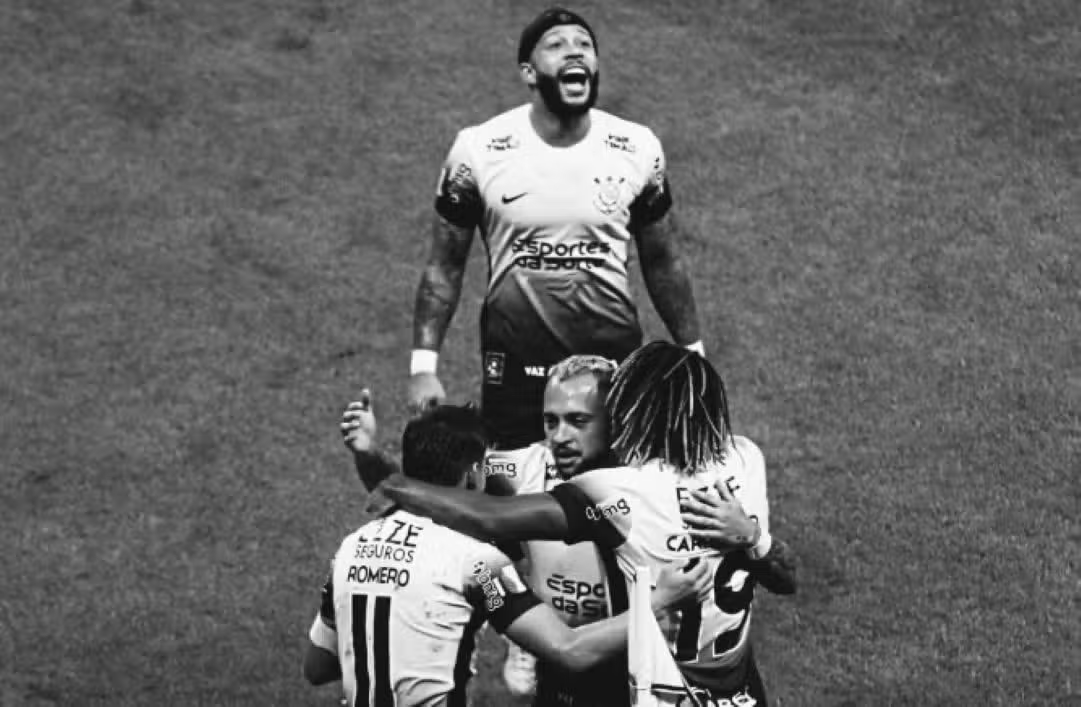
Bangu further extended its lead just eight minutes later, at the 12-minute mark, through a spectacular goal by the Haitian midfielder, Garrinsha himself. Dominating the ball on the left flank, Garrinsha unleashed a powerful shot that found the top corner, leaving the Flamengo keeper with no chance and igniting celebrations among the home crowd.
Flamengo’s youth squad struggles in 2026 opener
Playing with a team primarily composed of under-20 players, Flamengo managed to reduce the deficit in the 18th minute. Guilherme Gomes skillfully anticipated goalkeeper Bruno’s movement, scoring with a precise chip over the Bangu custodian. This goal offered a glimmer of hope for the young rubro-negros.
Despite this individual effort, the junior Flamengo squad found themselves trailing, reflecting the inherent difficulties of competing against more experienced professional teams in the early stages of a state championship. The disparity in experience was evident in critical moments of the game, particularly in defensive solidity and offensive penetration.
The club’s decision to utilize its U20 roster for initial matches, while the senior squad focuses on pre-season preparations, highlights a strategy of development for young talent but also exposes them to immediate high-stakes competition. This approach, though beneficial for experience, often leads to challenging results against established teams.
Efficiency defines Bangu’s tactical triumph
Bangu displayed remarkable efficiency in its attacking endeavors, converting two of its three shots on target into goals. This clinical finishing proved to be the decisive factor, as the team made the most of its limited opportunities against a possession-dominant opponent.
Conversely, Flamengo, despite maintaining 66% of ball possession and registering 12 shots on goal, managed to hit the target only five times. The young squad struggled to translate its territorial advantage and higher volume of attempts into tangible results, often lacking the decisive touch or strategic penetration in the final third.
Carioca tournament standings begin to take shape
With this crucial win, Bangu secured its first three points of the championship, moving to second place in the standings, behind Fluminense based on tie-breaking criteria. This strong start positions Bangu favorably in the initial phases of the Campeonato Carioca 2026, boosting team morale and confidence.
Flamengo, on the other hand, currently holds only one point from two matches played, having previously drawn against Portuguesa-RJ in an early fixture of the fifth round. The early season results indicate a challenging start for the club as it navigates the competition with its developing youth players.
Fluminense, another major club, also started its campaign successfully, with its reserve team defeating Madureira. These early results highlight the competitive nature of the Cariocão, where every point in the opening rounds can significantly impact a team’s trajectory.
Looking ahead: early season challenges for Flamengo
The initial matches of the 2026 season present a significant learning curve for Flamengo’s U20 team, as they gain invaluable experience against seasoned opponents. These games are crucial for the development of future professional players, offering a taste of senior-level football.
The early struggles, while expected to some extent, underscore the importance of integrating the professional squad once their pre-season is complete. Until then, the onus remains on the youth team to perform under pressure and adapt to the rigors of competitive play.
Flamengo’s strategic decision to rest its main squad for international competitions or a more rigorous pre-season sets a precedent for how the club balances immediate results with long-term player development and fitness. The challenge now is to ensure the gap in performance does not become too wide before the regulars return.
This period serves as an important proving ground, not just for the players on the field, but also for the coaching staff to assess the depth and readiness of the club’s talent pipeline. Every match, win or loss, provides critical data for future decisions.
Key moments from Bangu’s dominant first half performance
Bangu’s ability to score twice within the opening 12 minutes profoundly shaped the outcome of the match. The rapid succession of goals stunned Flamengo and provided Bangu with a comfortable cushion to defend and control the game’s tempo.
These early strikes showcased Bangu’s offensive strategy and execution, leveraging key individual plays to establish a commanding lead. The momentum generated in the first half proved insurmountable for Flamengo’s young side.
2026 Campeonato Carioca format at a glance
The Campeonato Carioca, one of Brazil’s oldest and most prestigious state championships, features a multi-stage format where teams compete for a coveted title. Early-round matches like this one are vital for accumulating points that determine qualification for subsequent phases and final standings.
Teams across Rio de Janeiro vie for supremacy, and the tournament serves as a key indicator of a club’s strength and readiness for national competitions. Performance in these initial games can significantly influence a team’s overall season narrative.