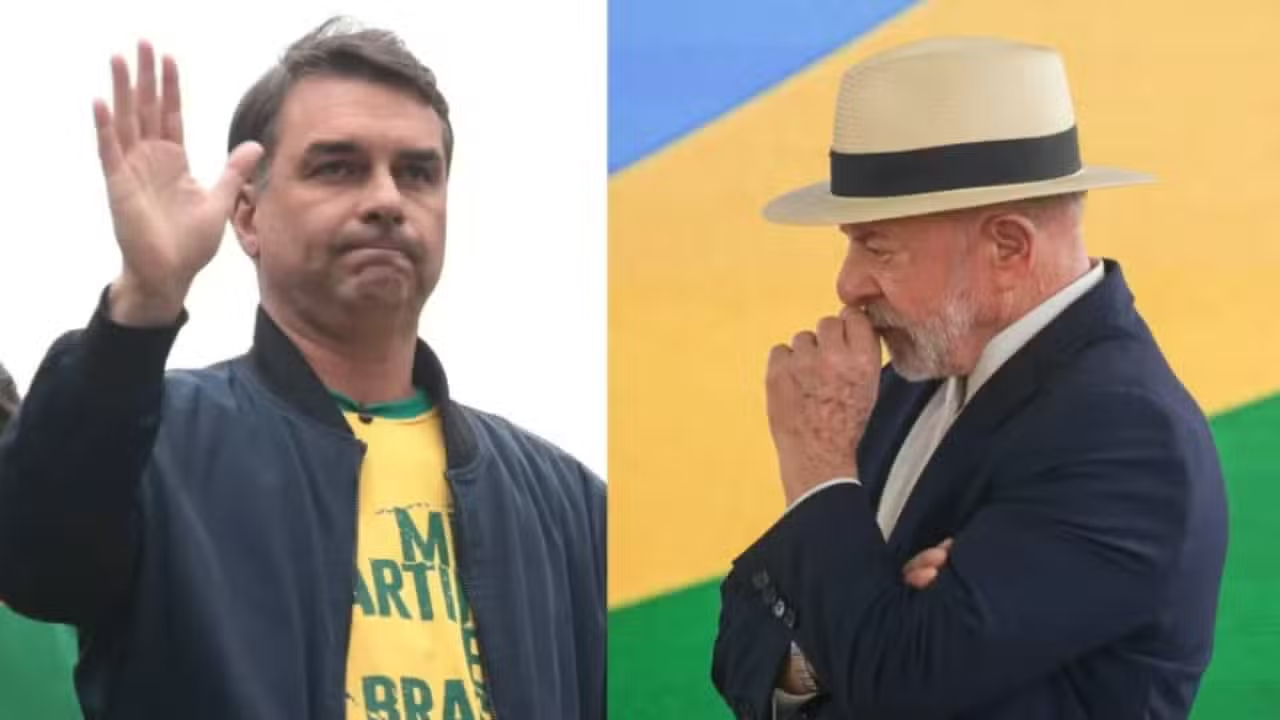
The highly anticipated vote on the presidential veto against the so-called “dosimetry bill” remains unscheduled, despite renewed calls from right-wing supporters during demonstrations across Brazil on February 1st, 2025. This legislative proposal, which seeks to reduce sentences for individuals convicted in connection with the January 8th, 2023, events, was fully vetoed by President Luiz Inácio Lula da Silva (PT) last year.
The political stalemate surrounding the bill highlights ongoing tensions between the executive and legislative branches, particularly concerning judicial outcomes for those involved in the attacks on federal institutions. The right-wing movement views the overturning of this veto as a crucial step towards what they term a more just resolution for the accused.
The legislative package, previously dubbed an “amnesty light,” initially gained traction in Congress after extensive negotiations, reflecting a softened version of an earlier, broader amnesty proposal. Its potential implications extend to various high-profile cases, prompting a fervent debate over its constitutionality and public interest.
## Renewed calls for legislative action
During a significant right-wing rally in São Paulo on February 1st, 2025, Senator Flávio Bolsonaro (PL-RJ), a prominent figure and pre-candidate for president, voiced strong opposition to the presidential decision. He labeled Lula’s veto “cowardly” and asserted that overturning it represents a vital initial step in their broader political agenda.
The senator’s remarks underscore the unified effort within the right-wing to push for a congressional review, positioning the issue as a critical battleground for their political movement. Supporters at the event echoed these sentiments, signaling a concerted push to force the legislative body into action.
This renewed advocacy comes amidst a backdrop of ongoing legal proceedings and political maneuvering related to the January 8th events. The outcome of the veto vote is seen as a barometer for the strength of the right-wing’s influence within the national political landscape in 2025.
## Congressional gridlock persists
Despite the mounting pressure, the presidential veto on the dosimetry bill continues to languish without a date for a joint session of the House of Representatives and the Senate. The responsibility for convening such a session rests with Davi Alcolumbre (União-AP), president of both the Congress and the Senate, who has yet to make an official announcement regarding the schedule.
The delay is not uncommon in Brazilian legislative processes, where political agreements frequently supersede constitutional deadlines. Although the Constitution mandates a 30-day period for Congress to deliberate on a veto, this timeline is often extended, sometimes for years, due to complex negotiations and shifting political priorities.
Currently, the Brazilian Legislature faces a backlog of 77 pending vetoes, a testament to the chronic delays in reviewing presidential decisions. The oldest of these dates back to 2022, from the previous administration, while the majority of the remaining 76 were signed by President Lula.
## The controversial bill and its implications
President Lula signed the veto against the dosimetry bill during a ceremony commemorating the three-year anniversary of the invasions of the Three Powers’ headquarters in Brasília on January 8th, 2024. The government’s justification, formally communicated to the Legislative branch, cited the bill’s unconstitutionality and its potential to contravene public interest.
The project, which received congressional approval in December 2024, was the result of months of intricate political negotiations between the opposition and key figures in Congress, including Alcolumbre and House Speaker Hugo Motta (Republicans-PB). Its passage represented a significant, albeit compromised, victory for the opposition.
Initially, the opposition advocated for a sweeping, unrestricted amnesty for those involved in the January 8th events, a proposal that failed to garner sufficient support, particularly from the pivotal centrist bloc in Congress. The “amnesty light” version was a strategic concession designed to secure broader legislative backing.
The approved text, despite its moderated scope, is widely believed to offer potential benefits to high-profile figures, including former President Jair Bolsonaro (PL), who was condemned to 27 years in prison following accusations related to an attempted coup after the 2022 elections. The broader implications of such a measure continue to fuel intense public debate and political division.
## Political maneuvering and future outlook
Flávio Bolsonaro, in his address during the February 1st, 2025, rally, downplayed the direct benefits of the bill for his father, emphasizing instead Jair Bolsonaro’s alleged “sacrifice” in greenlighting the negotiation of the project when it was under review in Congress. This narrative aims to frame the bill as a broader measure of justice rather than a targeted relief for specific individuals.
The dynamics within Congress suggest that derrubando a veto requires significant cross-party consensus. To overturn a presidential veto, a majority vote is needed in both chambers: 257 out of 513 deputies and 41 out of 81 senators. Achieving such numbers often necessitates extensive bargaining and political capital, which the right-wing is actively trying to mobilize in early 2025.
The ongoing lack of a scheduled vote indicates that such a consensus has yet to materialize, or that the political leadership prioritizes other legislative matters. As the year progresses, the pressure on Davi Alcolumbre to schedule the session is expected to intensify, especially with key political figures making the veto a central point of their public discourse.
The battle over the dosimetry bill’s veto serves as a critical test of political will and influence, reflecting the deep ideological divides within Brazilian politics. Its resolution, whenever it occurs, will have significant legal and political repercussions for those involved in the January 8th events and for the broader trajectory of national governance.