Artemis II mission crew prepares Orion capsule for return after historic flyby of the Moon
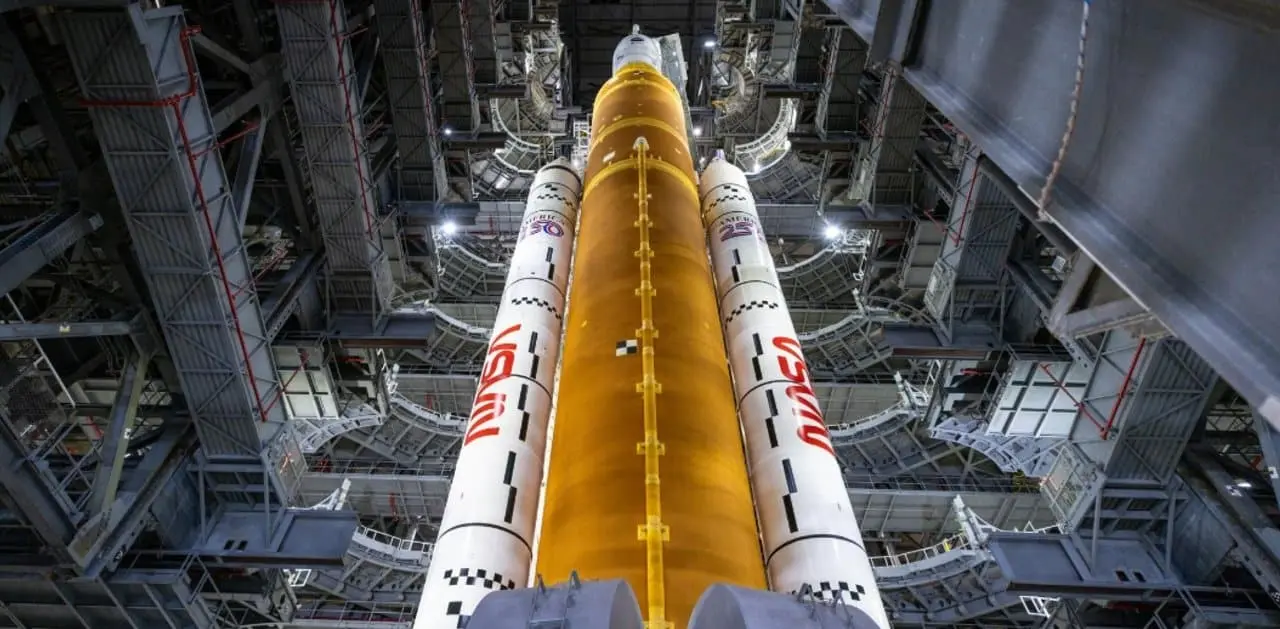
The crew of the Artemis II mission began final preparations in the Orion capsule for re-entry into the Earth’s atmosphere scheduled for Friday. The four astronauts approach the planet after completing a flyby around Lua. The team described the journey through deep space as a landmark experience for scientific understanding of the natural satellite. The group held a press conference on Wednesday to detail the visual observations and data collected during the orbital trajectory.
Commander Reid Wiseman, pilot Victor Glover, mission specialist Christina Koch and mission specialist Agência Espacial Canadense Jeremy Hansen make up the flight team. Eles captured unprecedented images of the hidden face of Lua and recorded color nuances of the surface. The photographic material will undergo detailed analysis by Nasa researchers after landing in the ocean. The mission represents the first manned test of the program that aims to establish a sustainable human presence at the lunar south pole in the coming years.

More on this story: Green Bank telescope tracks Orion capsule with millimeter precision as it travels around the Moon
Isolamento space and distance record breaking
Durante lunar orbit, the spacecraft faced a period of almost an hour of total interruption of communication with the control bases. The signal blockage occurred while the capsule was transiting the hidden face of Lua. The crew reported that the absolute silence on the radio increased their perception of distance from humanity. Reid Wiseman classified the moment of isolation as a phase of deep reflection on the purpose of human space exploration.
The flight trajectory set a new historic mark for manned space navigation. The Orion capsule reached the exact distance of 406,771 kilometers from Terra. The number surpassed the previous record held by the Apollo 13 mission since the 1970s. The current group became the human team to travel the furthest in space since the Apollo 17 program ended in 1972.
The sight of the planet Terra disappearing into the lunar horizon required visual and mental adaptation time for the astronauts. Victor Glover explained that the human brain needs to process the scale of proportions observed from the ship’s window. The team took advantage of weightlessness and remoteness to document the behavior of life support systems in a prolonged deep space environment.
Learn more: NASA’s Orion capsule returns to Earth with four astronauts after successful Artemis II mission
Observação detailed surface and solar eclipse
The mission schedule included a seven-hour period dedicated exclusively to visual observation of lunar geology on April 6. Astronauts have identified variations in brightness and texture that indicate the presence of ancient lava flows. Direct visual recording by humans complements data obtained by robotic probes in recent decades and assists in mapping future landing zones.
The team documented astronomical phenomena and specific geological formations during the passage close to the natural satellite:
- Registro of a total solar eclipse caused by Sol’s light being blocked by the structure of Lua.
- Fotografia of the Carroll crater, named in honor of the late wife of commander Reid Wiseman.
- Identificação of geological ridges with the appearance of scars and bright craters on the surface.
The total solar eclipse seen from space provided a different perspective than that observed on the Earth’s surface. The crew saw the solar corona forming thin filaments around the dark edge of Lua. The optical phenomenon occurred while the spacecraft maintained the stability of its orbit without performing descent maneuvers. The personal action of photographing the Carroll crater added a human component to the technical objectives of the flyby.
See Also

Neighbors rescue 4-year-old child after fall from 5th floor in Poland

Horoscope of the day: Predictions for Libra show a period of decisive agreements and professional success

Munich: Boeing 787 Vietnam Airlines scrapes its tail on takeoff and makes an emergency landing after taking off off the runway
Ajustes technicians for re-entry into the Earth’s atmosphere
The return phase requires mathematical precision to ensure the integrity of the Orion capsule structure. The spacecraft will reach a speed of approximately 38,367 km/h when touching the upper layers of the atmosphere. Air friction will generate temperatures exceeding 2,760 degrees Celsius on the exterior of the vehicle. Engenheiros and Nasa monitor heat sensors in real time to evaluate the performance of thermal protection materials.
On the same topic: Artemis 2 mission crew flies over the far side of the Moon and collects unprecedented geological data
The space agency modified the spacecraft’s descent angle for this manned mission. The change aims to reduce the thermal load on the main protective shield. The technical decision occurred after analyzing data from the unmanned test flight carried out in 2022, which showed greater than expected wear on some components. The new reentry profile distributes heat dissipation more gradually during free fall.
Inside the cabin, the four astronauts carry out strict organization and safety protocols. Eles stow loose equipment, transfer digital data to shielded storage units, and don pressurized flight suits. Cleaning the internal environment prevents floating particles from causing damage to control panels during sudden deceleration caused by Earth’s gravity.
Ocean Rescue Operação Pacífico and Next Steps
The crew recovery operation will take place in the waters of the Pacífico ocean, in an area close to the city of San Diego, in Estados Unidos. The ship USS John P. Murtha, belonging to Marinha of Estados Unidos, leads the maritime rescue fleet. Aeronaves and military helicopters will fly over the region to locate the capsule immediately after the main braking parachutes are deployed.
More on this story: NASA Expedites Artemis 3 Mission with Orion Integration and Lunar Landing Tests
The rescue coordination marks the first major joint operation between Nasa and Departamento of Defesa for a lunar mission since Apollo 17. Mergulhadores specialists wait for the ship to stabilize in the water to install buoyancy aids and open the outer hatch. The weather forecast for the landing site indicates light winds and moderate sea waves, conditions considered ideal for the safe extraction of the crew.
The success of the Artemis II validates the navigation and life support systems of the Orion capsule in real flight conditions. The practical results of this ten-day journey, which began with the launch on Flórida, underlie the structural planning of the Artemis III mission. The next step of the space program foresees the practice of orbital docking and the descent of astronauts to the lunar surface using a commercial landing module integrated into the system.