

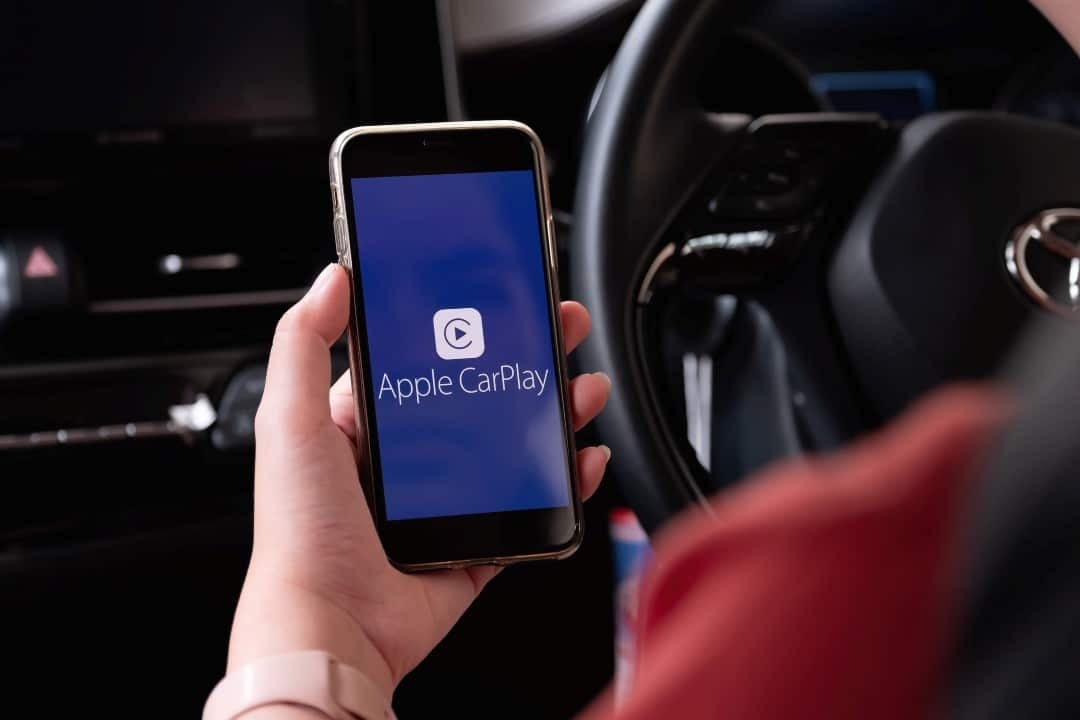
Electric vehicle manufacturer Rivian has announced a strategic shift in the development of its infotainment systems. The company decided to focus on integrating native artificial intelligence into its cars. The move moves the automaker away from traditional mirroring platforms such as Apple CarPlay and Android Auto. The decision reflects a growing trend in the automotive industry to maintain absolute control over embedded software.
Wassym Bensaid, the company’s head of software, confirmed that voice will take on the role of the main interface in the cabins. The transition requires heavy investments in internally developed virtual assistants. Especialistas point out that dependence on third-party systems limits automakers’ ability to customize. The new format promises to change the way drivers interact with the basic and advanced functions of cars.

Internal Desenvolvimento replaces mirroring platforms
The philosophy adopted by the brand diverges from the standard established by a large part of the market in recent decades. Durante In a recent interview, Bensaid explained that mirroring technologies take full control of dashboard screens. Essa feature prevents the manufacturer from offering a visual and functional experience aligned with the identity of the vehicle itself. Choosing a closed ecosystem allows for faster and more accurate updates.
Rivian’s movement follows similar decisions taken by sector giants, such as General Motors and the pioneer Tesla. Essas companies have also chosen to block access to Apple and Google systems in their most recent releases. The central justification involves data collection and customer loyalty through exclusive services. Montadoras that master their own code can fix security flaws without depending on the schedule of external technology companies.
Creating a proprietary operating system requires a massive software engineering effort. Engineers need to ensure that the radio, satellite navigation and climate control work in perfect harmony. The absence of intermediaries in the communication between the car’s hardware and the end user reduces command latency. The expected result is a more fluid interface that is less susceptible to crashes when driving on highways or in urban centers.
Advanced voice Comando redefines in-cab interaction
Generative artificial intelligence emerges as the main tool to enable this new phase of mobility. Rivian Assistant, a system being developed by the automaker, will use complex algorithms to interpret the natural language of the occupants. The technology promises to overcome the limitations of old voice commands, which required rigid phrases and specific words to work. The objective is to create an environment where the driver talks to the car intuitively.
The advancement of neural networks makes the debate about the need for Apple CarPlay obsolete, according to the company’s board of directors. Modern vehicles are no longer just software-defined machines to become platforms guided by artificial intelligence. Agentic integration will allow the virtual assistant to perform multiple tasks with a single request. A driver can request to adjust the air conditioning, change route and play music simultaneously.
Consumers’ history of frustration with old voice assistants still poses a challenge to acceptance of the new feature. Rivian itself faced criticism on previous versions of its vocal recognition system. The development team is now working to refine audio capture inside the cabin, isolating wind and tire noise. Accuracy in understanding regional accents and slang will define the tool’s commercial success in the long term.
Queda on demand for third-party systems validates strategy
The manufacturer’s internal data indicates a change in the behavior and preferences of electric vehicle owners. Há five years ago, research showed that more than 70% of customers insisted on having Apple CarPlay available on the dashboard. Esse number has seen a drastic drop and currently represents less than 25% of the brand’s user base. Acceptance of the native system grew as new functionality was added through remote updates.
The speed of implementing improvements has become a competitive differentiator in the premium car market. Apple, as it depends on partnerships with multiple automakers, presents a slower innovation cycle for the automotive environment. Rivian took advantage of this gap to deliver route planning applications that consider battery level and charger location in real time.
Adopting your own ecosystem delivers direct benefits to the company’s operation and the driver’s routine. The main positive points of this architecture include:
- Agilidade on releasing security update packages and new visuals.
- Redução needs extra physical components to process third-party systems.
- Navegação simplified without overlapping menus from different operating systems.
- Deep Personalização based on the user’s driving habits and frequent routes.
- Manutenção has absolute control over telemetry information generated during travel.
Technological independence ensures that the automaker is not held hostage by Vale or Silício company policy changes. The integration of audio and video streaming services directly into the car system eliminates the need for constant cell phone pairing. Essa autonomy reinforces the brand’s positioning as a technology company, and not just a traditional automaker focused on assembling parts.
On-premises Processamento reduces costs and increases privacy
The economic viability of artificial intelligence in cars depends on optimizing data processing infrastructure. The continuous use of cloud servers to interpret each voice command generates extremely high operational costs for manufacturers. Rivian is considering implementing invisible usage limits to avoid overloads in the remote communication system. The definitive solution to this financial bottleneck involves transferring processing to the vehicle itself.
The brand’s next generation of cars will be equipped with the XMM3 infotainment chipset. Esse hardware has enough computing capacity to perform artificial intelligence inference locally, without depending on an internet connection. Executing commands offline ensures that the driver can operate the car’s functions even in rural areas or tunnels without cell phone signal. The system’s response speed also improves significantly with this advanced architecture.
Local processing solves one of modern consumers’ biggest concerns regarding digital privacy. Como cabin audio does not need to be sent to external servers, the risk of leakage of intimate conversations drops drastically. The global automotive industry is closely watching the results of this technical approach. The consolidation of embedded artificial intelligence marks the beginning of a new era in the relationship between humans and machines in daily traffic.