

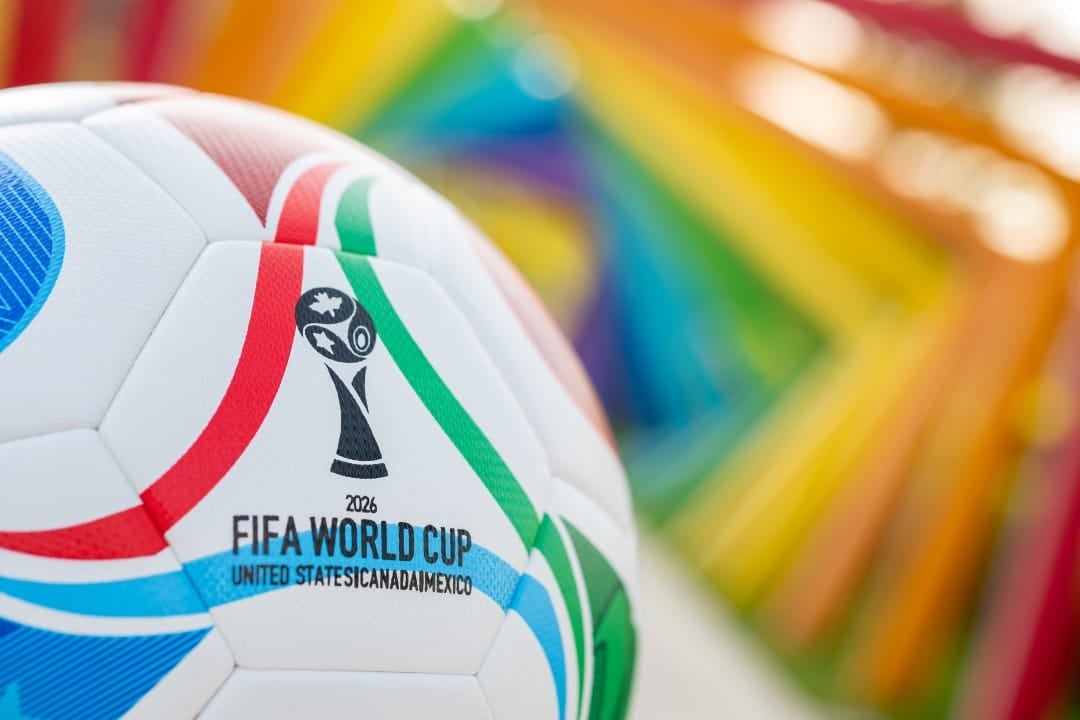
Federação Internacional of Futebol Associação organizes the biggest edition of the global tournament in North American territory. The event officially starts on June 11, 2026. The competition brings together 48 teams for the first time in the history of the sport. The games take place simultaneously in three different countries. Estados Unidos, México and Canadá share headquarters responsibilities. The schedule foresees 39 uninterrupted days of disputes on the pitch.
The new format changes the traditional dynamics of international competition. Football’s highest governing body had to adjust the calendar to accommodate 104 matches. The increase in the number of participants requires an unprecedented logistical operation. The technical teams are already evaluating the impacts of long trips between headquarters. Advance planning becomes essential for the success of delegations during the month of the tournament.
Estádio Azteca hosts inaugural match and consolidates historic milestone
The kickoff takes place in the Mexican capital with great public expectation. The México team faces África from Sul in the first match of the tournament. Estádio Azteca hosts the official opening ceremony. The place has a rich history in world sport. The field has already hosted the finals of the 1970 and 1986 editions. Nenhuma, another arena, has hosted three World Cup openings to date.
The opening match is scheduled to start at 4pm in the Brasília time zone. The organizers prepare cultural presentations before the referee’s initial whistle. The event attracts the attention of television stations on all continents. The capacity of the stadium allows the presence of tens of thousands of spectators. Local authorities implement special security and urban mobility schemes.
The flow of tourists in Cidade of México is expected to reach record levels in the first weeks of June. The hotel sector reports high demand for advance reservations in the central region. South African and Mexican fans organize caravans for game day. The metropolis’ infrastructure is undergoing adaptations to support the volume of foreign visitors.
Extended group Fase poses geographic and climatic challenges
The qualifying stage takes place between June 11th and 27th. The 48 selections are divided into 12 different brackets. Cada group contains four teams competing for points. The two best placed in each bracket advance directly. The eight best third-placed teams also guarantee a place in the next phase. Seleção Brasileira begins its journey in the first days of competition.
The organizing committee distributed the games across 16 approved host cities. The territorial extension of América and Norte creates a complex scenario for air travel. A team can play at sea level in Miami and then play at the altitude of Cidade of México. Temperature variations between southern Estados Unidos and Canadá require rapid physiological adaptation.
Fifa provides standardized logistical support for all delegations participating in the event. Departure times vary considerably to accommodate the region’s different time zones. International broadcasters negotiate broadcast schedules based on these viewing windows. The physical exhaustion of athletes during the first phase worries the federations’ medical departments.
Etapa qualifier introduces a new round and tests the strength of the squads
The expanded format introduces the sixteenth round into the calendar. The knockout stages officially begin on June 28th with 32 surviving teams. The round of 16 takes place right after the table. The schedule reserves the 4th to 7th of July for these decisive clashes. The quarterfinals occupy the window from July 9th to 11th.
The semifinals define the grand finalists on July 14th and 15th. The psychological pressure increases with each elimination round passed. Teams that reach the acute stages will have played eight matches in total. The number represents one more game compared to the old 32-team format. The depth of the reserve bench becomes a determining factor for success.
The final stretch schedule presents specific dates for the most important decisions of the tournament:
- Início from the round of 16 finals on June 28th.
- Final Oitavas distributed between the 4th and 7th of July.
- Final Quartas scheduled for the period from July 9th to 11th.
- Semifinais played on July 14th and 15th.
- Disputa for third place on July 18th on Hard Rock Stadium.
Coaches develop strategies focused on muscle recovery between knockout games. Rest time decreases drastically in the final stages of the competition. An extra day of break can define the outcome of a balanced match. The Seleção Brasileira technical committee monitors the calendar to optimize the performance of the players called up.
MetLife Stadium Crowns World Champion in Nova York Region
The grand final takes place on July 19, 2026. MetLife Stadium was the venue chosen for the closing of the global tournament. The arena is located in East Rutherford, on the border between Nova York and Nova Jersey. The stadium has the capacity to receive more than 82 thousand fans in the stands. The sports complex has hosted events of gigantic proportions in the recent past.
The decisive game should start in the late afternoon, considering local time on the American East Coast. The closing ceremony takes place minutes after the referee’s final whistle. The captain of the winning team raises the trophy in the center of the illuminated lawn. The title guarantees world champion status for the next four years of the sporting cycle.
The definition of third place takes place on the eve of the grand final. Hard Rock Stadium, located at Miami, hosts the consolation match on July 18th. The city of Flórida concentrates a large part of the Latino community and expects maximum capacity. The last two matches end the 39-day cycle of uninterrupted competitions in América and Norte.
Impacto economic and structural legacy for host countries
Holding the event generates billions of dollars in the region’s economy. Local governments invested significant resources in modernizing public transport infrastructure. The expansion of subway lines and the renovation of airports benefit the resident population in the long term. The commerce and services sector projects record profits throughout the month of July.
Projects linked to the tournament include rigorous environmental sustainability initiatives. The arenas adopt renewable energy systems and intelligent solid waste management. Social inclusion Programas uses sport to train young people in financially vulnerable communities. The physical and social legacy justifies the high public and private investments in the 16 host cities.
The increase in vacancies directly benefits the less important confederations in football. Países of Ásia and África gain more real ranking opportunities. The global sports scenario is undergoing important technical decentralization. Especialistas in sports infrastructure carry out periodic inspections of the chosen stadiums to ensure the required standard. Video officiating technology receives continuous updates to ensure accurate decisions on the field. The world awaits the final draw of the groups to define the exact routes for each participating nation.