

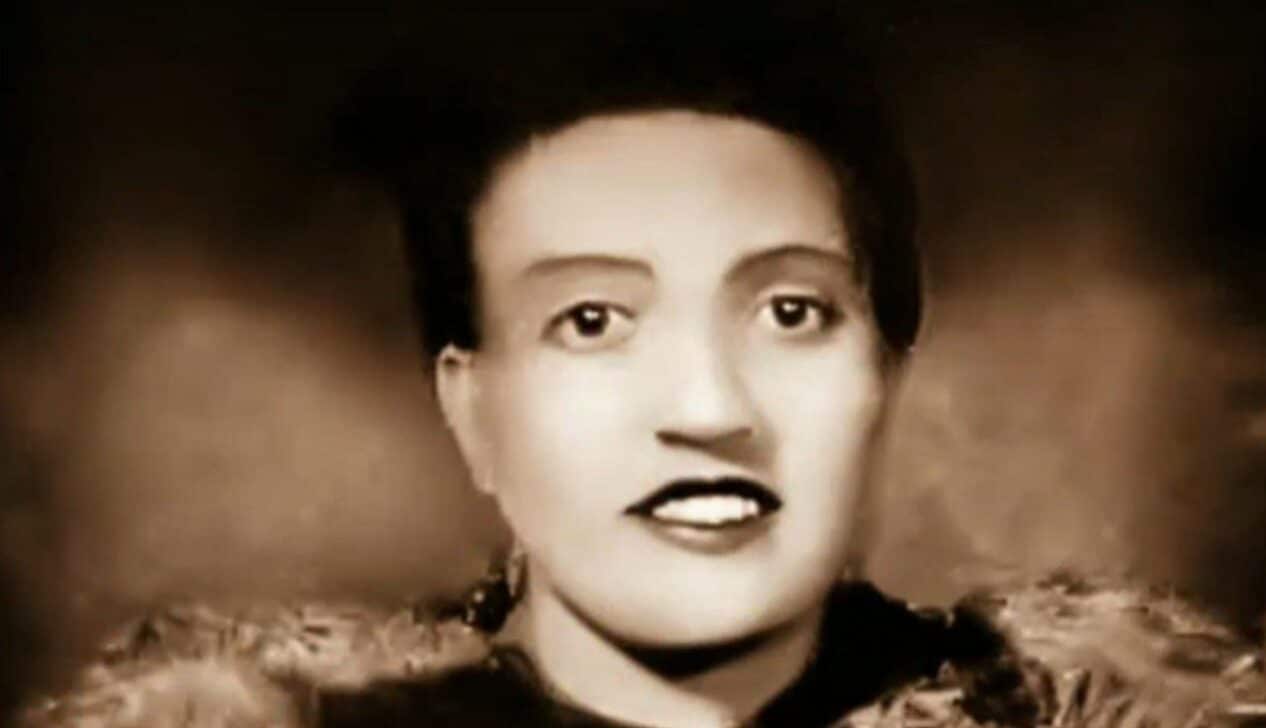
Henrietta Lacks died at age 31 in 1951. Médicos collected samples of her cervical tumor from Hospital Johns Hopkins, from Baltimore, without informing the patient or asking for permission. The cells removed gave rise to the HeLa lineage, which multiplies indefinitely in the laboratory. Essa unique feature enabled standardized experiments on a global scale. The case marked the beginning of debates about ethics in medical research.
The discovery occurred at a time when there was little discussion about patients’ rights. Henrietta was a black woman, mother of five, who lived in Maryland. Ela sought care for abnormal vaginal bleeding. The cancer advanced quickly. Poucos months after diagnosis, she passed away. Ninguém in the family has known about the use of the cells for decades.
HeLa cells multiply indefinitely in the laboratory
Tumor samples sent to researcher George Gey revealed unprecedented behavior. Diferente of other human cells, Henrietta Lacks did not die after a few divisions. Elas continued to replicate. Cientistas named the strain with the initials HeLa. Essa was the first human cell line considered immortal.
The material allowed for repeatable testing. Laboratórios from all over the world received freely distributed samples. Pesquisadores began to study the effects of viruses, radiation and medications under controlled conditions. The scientific contribution grew over the following decades.
- HeLa cells helped in the development of the polio vaccine
- Contribuíram for cancer and genetics research
- Apoiaram IVF and infectious disease studies
- Participaram of Advancements Related to HIV and Covid-19
Descoberta drives biomedicine achievements in various areas
Bilhões cells derived from the original line have since been produced. Relatos indicate that the accumulated mass exceeds tens of millions of tons. The volume reflects extensive use in research institutions. Cientistas tested for toxins, hormones and viruses without directly exposing humans.
The impact appears in vaccines and treatments. The lineage accelerated the understanding of cellular mechanisms. Estudos on the human genome and immune responses gained precision. Mesmo Today, laboratories use HeLa in routine experiments. Henrietta Lacks’s contribution, unbeknownst to her, is still present.
Família discovered the use of cells only in the 1970s
Henrietta Lacks’s relatives ignored the fate of the samples for a long time. Cientistas contacted the family in the 1970s to obtain additional genetic data. Foi was the first moment they knew about the existence of the lineage. Até then, there was no formal recognition or compensation.
The revelation generated frustration. The family questioned the commercial use of the cells. Empresas developed lineage-based products. Descendants have taken legal action in recent years. Eles seek compensation for profit obtained without consent.
Acordos lawsuits mark new chapters in the dispute
In 2023, the family entered into a confidential agreement with Thermo Fisher Scientific. The case involved allegations of undue enrichment. In early 2026, another deal took place with Novartis. Outros lawsuits are still ongoing against different companies.
The cases highlight issues of informed consent. Advogados family argue for the need for clearer rules regarding biological materials. Hospitais and universities adjust protocols in response to public debate. Henrietta Lacks’s trajectory influences current research policies.
Legado of Henrietta Lacks influences current medical ethics
Seven decades after Mais’s death, HeLa cells remain an essential tool. Pesquisadores recognize their role in advances that have saved millions of lives. At the same time, the case serves as a reference for discussions about racial justice and patients’ rights. Instituições enforce explicit authorization requirements.
Henrietta Lacks was born in 1920 in Virgínia. Mudou turns to Maryland for opportunities. Deixou five children and her husband. Sua story gained visibility with books and reports. The focus is on the transformation of medicine and the lessons learned. The responsible use of biological samples gains priority in modern laboratories.