

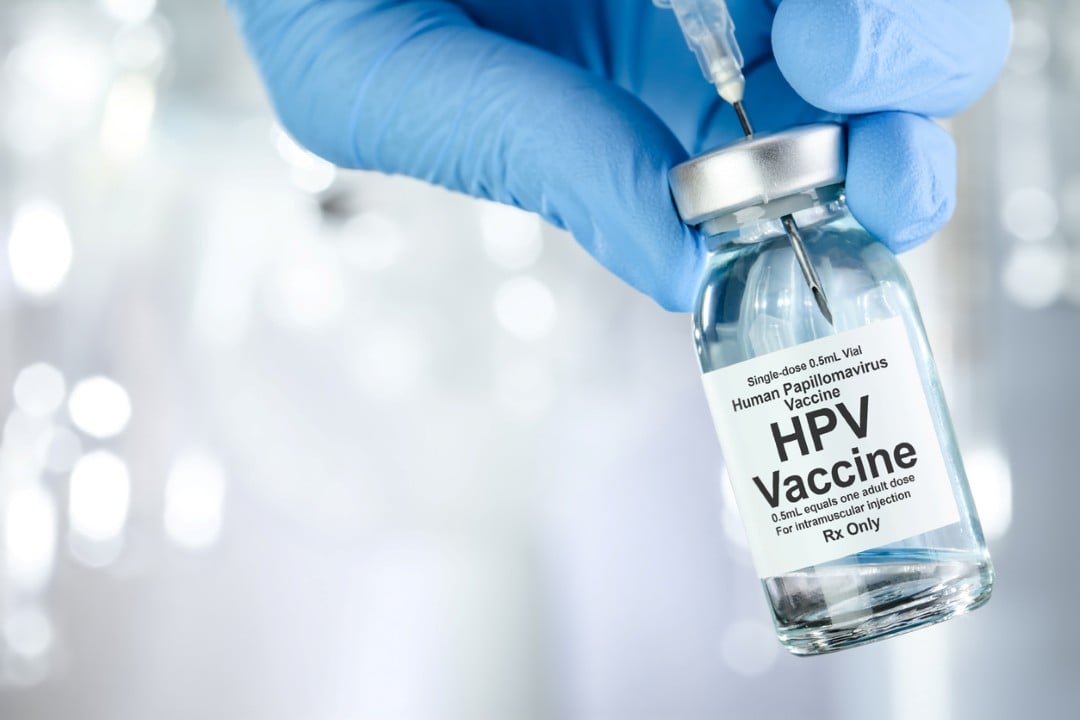
New research has revealed that the HPV vaccine has been crucial in drastically reducing deaths from cervical cancer among young women in England.
The period from 2020 to 2024 did not record any deaths from this disease among English women aged between 20 and 24, marking an unprecedented feat.
Projection models, based on trends from previous years, indicated that 23 women in the same age group could have died due to cervical cancer if the protection offered by the vaccine had not been available.
According to the survey, the vaccine, when applied early, has the ability to practically eliminate deaths caused by this type of cancer in women under 30 years of age.
These results highlight the vital importance of vaccination to combat and, potentially, eradicate the disease that kills around 350,000 people around the world every year.
The study was conducted by researchers from Cancer Research UK and Queen Mary University of London, with its conclusions published in the renowned scientific journal The Lancet.
“It is remarkable to consider that a single vaccine can almost eliminate a specific type of cancer,” said Professor Peter Sasieni, one of those responsible for the research. “This work highlights the critical importance of maintaining high HPV vaccination rates to ensure more individuals are protected.”
Impact of vaccination campaigns on cancer eradication
The scientists’ analysis demonstrated a progressive drop in deaths from cervical cancer in England since the start of the HPV vaccination campaign, which began in 2008 for girls and was extended to boys from 2019.
Between 2000 and 2004, 25 young English women (aged 20 to 24) died from cervical cancer. The number rose to 27 deaths in the same age group between 2010 and 2014, but decreased to 5 between 2015 and 2019. Finally, between 2020 and 2024, the deaths were eliminated.
In total, scientists estimate that vaccination has already helped save approximately 200 lives since the campaigns were launched in 2008.
HPV, which stands for human papillomavirus, is a widely spread sexually transmitted infection (STI), which can manifest as warts on the skin and mucous membranes. However, the virus is also a causative agent of cancer of the cervix, penis, anus, among others. Most sexually active people will have or have had contact with the virus, often asymptomatically.
Cervical cancer, also known as cervical cancer, is the fourth most common type of cancer among women, with almost all cases associated with HPV infection. The World Health Organization (WHO) records 660,000 new annual diagnoses of the disease, while in Brazil, there are around 17,000 new cases and seven thousand deaths per year, according to the Ministry of Health.
The effectiveness of the vaccine is maximized when administered before the start of sexual life, a period in which individuals are most exposed to HPV. For this reason, immunization is recommended for adolescents aged 12 to 13.
Previous clinical studies had already proven the high effectiveness of the HPV vaccine in protecting against the virus and, consequently, against the development of cancer. In recent years, research involving thousands of people has corroborated the positive impact of this protection on global public health.
An analysis published in 2025, for example, examined data from thousands of patients in Scotland, revealing that the vaccine eliminated cases of cervical cancer in women who were immunized at age 12 or 13.
In Brazil, the vaccine has been made available free of charge by the SUS since 2014, in the tetravalent version, which offers protection against the most prevalent types of the virus (6, 11, 16 and 18). In the private network, there is also a nonavalent option, with coverage for nine types of HPV (6, 11, 16, 18, 31, 33, 45, 52 and 58).
Free immunization is aimed at children and adolescents of both sexes, aged between 9 and 14 years, as well as individuals of any age with immunosuppression, victims of sexual abuse, users of PrEP (HIV pre-exposure prophylaxis) or patients with recurrent respiratory papillomatosis.
However, a recent survey pointed to a worrying fact in the Brazilian scenario: 26.4% of girls in the country did not receive any dose of the HPV vaccine, which contrasts with the success observed in nations like England.