Sony patent indicates that PlayStation 6 will run games from all previous generations natively
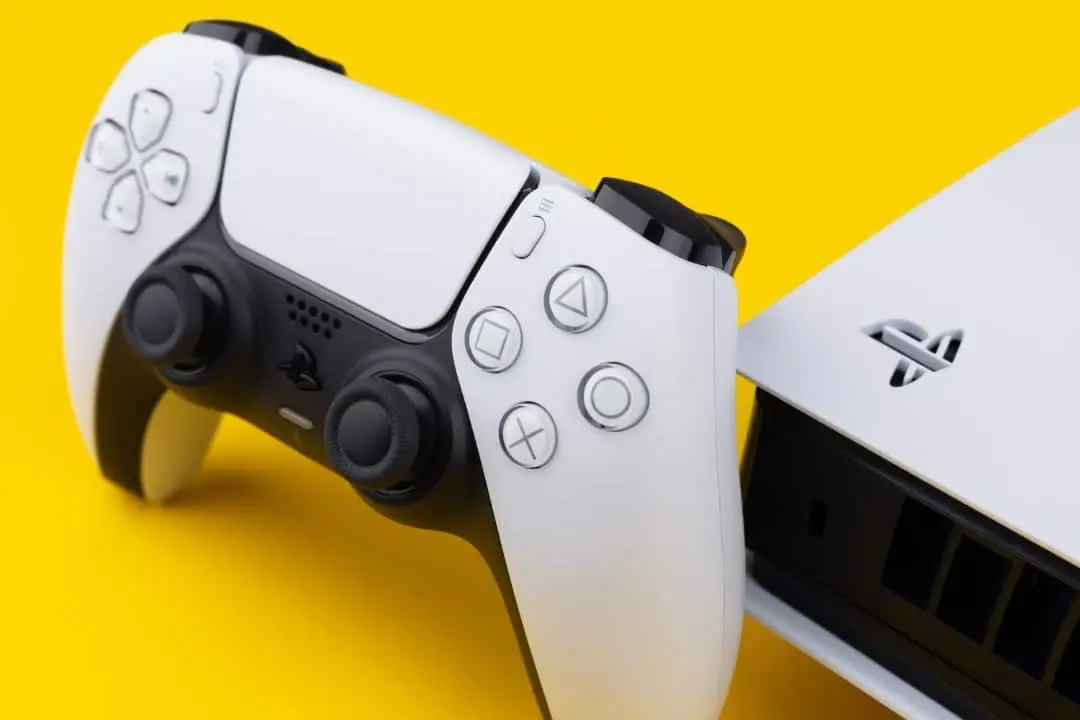
Recent documents filed by Sony Interactive Entertainment have shaken up the video game industry by revealing ambitious plans for its next hardware. The record details an advanced system capable of running software from older platforms on modern equipment, pointing out that the long-awaited PlayStation 6 will deliver native support for titles from all five previous generations of the brand.
The project’s biggest difference involves overcoming structural barriers that have historically prevented the emulation of classic works, with a special focus on the complex ecosystem of the PlayStation 3. The proposal describes a sophisticated method where the new device can simulate the behavior of old processors natively, ensuring faithful reproduction free of visual glitches or frame drops.
More on this story: Sony’s unprecedented patent indicates that PS6 can play PS1, PS2 and PS3 games natively
The presence of Mark Cerny, chief engineer responsible for creating the PlayStation 4 and PlayStation 5, among the authors of the document reinforces the technical feasibility of the initiative. The executive’s involvement demonstrates a change in the company’s stance, which now treats access to the classic collection as a fundamental pillar in the development of its next machine, meeting a demand accumulated by millions of consumers over two decades.
How new processing architecture solves PS3 system crash
The main obstacle to unifying the catalog has always resided in the Cell processor, used in the 2006 console. Unlike the standard x86-64 architecture adopted in the manufacturer’s most recent computers and video games, the old chip had an asymmetric structure that made translating code via software an unstable process. The newly discovered record attacks this limitation by suggesting that the future graphics and processing unit will be able to identify and replicate physical characteristics of older hardware.
Instead of just converting commands, modern components will disguise themselves as PS1, PS2, and PS3 parts, synchronizing processing cores and memory management to eliminate bottlenecks that plague current emulators. This hybrid solution, which combines software intelligence with hardware flexibility, represents the most realistic way to run everything from 32-bit adventures to the heaviest seventh generation games with the same fluidity as a current release.
Learn more: New Sony patent indicates that PlayStation 6 will play classic games from all previous generations
History of successes and failures of the Japanese manufacturer with old catalogs
The technology giant’s relationship with the preservation of its own library has gone through several phases since the turn of the millennium. The history of support for previous media presents significant variations with each launch of a new platform on the global market:
- The PlayStation 2 marked a period of excellence by including the chips from the first video game on its board, guaranteeing immediate access to thousands of original CDs and dominating sales.
- The PlayStation 3 began its lifespan with physical support for its predecessor, but the functionality was removed in later hardware revisions to lower production costs, fragmenting the user base.
- The PlayStation 4 generation completely abandoned reading old discs, forcing buyers to purchase remastered versions or rely on cloud services with a high-speed connection.
- The current PlayStation 5 regained some of its prestige by running almost the entire library of its direct predecessor, but kept the classics from the 32 and 128-bit eras restricted to a digital subscription catalog.
Ultimate solution turns the next console into a playable historical archive
The obstacles to unifying these different eras have always come up against the specificities of each motherboard developed over the years. The technology described in the new papers indicates the abandonment of palliative solutions in favor of a definitive digital preservation tool.
The detailed mechanism allows the equipment to not only imitate but duplicate the operating environment of the original systems. In practice, the machine will adjust its own performance in real time to mirror the exact specifications of a 1990s or 2000s console, depending on the disc inserted or digital file selected by the user.
See Also

Tsitsipas overcomes initial challenge in Cincinnati and prepares for duel against Aliassime

Hurricane Lala intensifies and could be the first to touch Hawaii in 34 years

Tragic accident during Volta de Portugal takes life of 19-year-old British cyclist
If engineering manages to apply this concept on the assembly line, the device will transcend the function of running cutting-edge launches. The device will function as the brand’s definitive interactive museum, protecting immeasurable cultural heritage and ensuring that foundational works of digital entertainment remain accessible for generations of players to come.
On the same topic: Sony patent indicates that PlayStation 6 will be able to play games from all previous generations
Strategic move seeks to neutralize the competitive advantage of the Xbox line
Over the past decade, Microsoft has dominated the preservation debate by implementing a robust program that allows games from the first Xbox and Xbox 360 to run on modern Series X and S, often with resolution improvements. This policy generated unanimous praise from specialized critics and proved that respect for the consumer’s digital library works as a powerful tool for customer loyalty.
The planning exposed by the patent works as a direct response to this competitive scenario. By engineering a technical path to embrace its entire past, including the problematic era of the Cell processor, the Asian company is preparing the ground to nullify the American competitor’s differential. The maneuver ensures that users do not need to abandon their financial investments in games when migrating to the next generation of devices.
Financial impact and direct benefits for brand consumers
From the buyer’s point of view, the innovation delivers an unprecedented level of convenience. The ability to concentrate thirty years of purchases on a single device eliminates the need to keep old televisions or multiple video games connected in the living room, simplifying media consumption.
More on this story: Sony patent indicates that PlayStation 6 will play games from all generations
For corporate coffers, full integration unlocks lucrative monetization opportunities. In addition to increasing the appeal of premium subscriptions to its online services, the company gains the chance to resell thousands of classic titles in its virtual store, monetizing intellectual properties that currently do not generate any revenue because they are tied to discontinued hardware.
Expected arrival of new hardware to the global entertainment market
Registering an intellectual property with regulatory bodies does not guarantee that the technology will reach the shelves, but it clearly maps the investments of the research and development department. Financial sector analysts project that the transition to the PlayStation 6 will only occur between the years 2027 and 2028. This extended calendar provides the time necessary for engineers to refine the hybrid emulation system, setting the stage for a product capable of redefining compatibility standards in the technology industry.