Nubia announces first smartphone with AI agent focused on changing user interaction
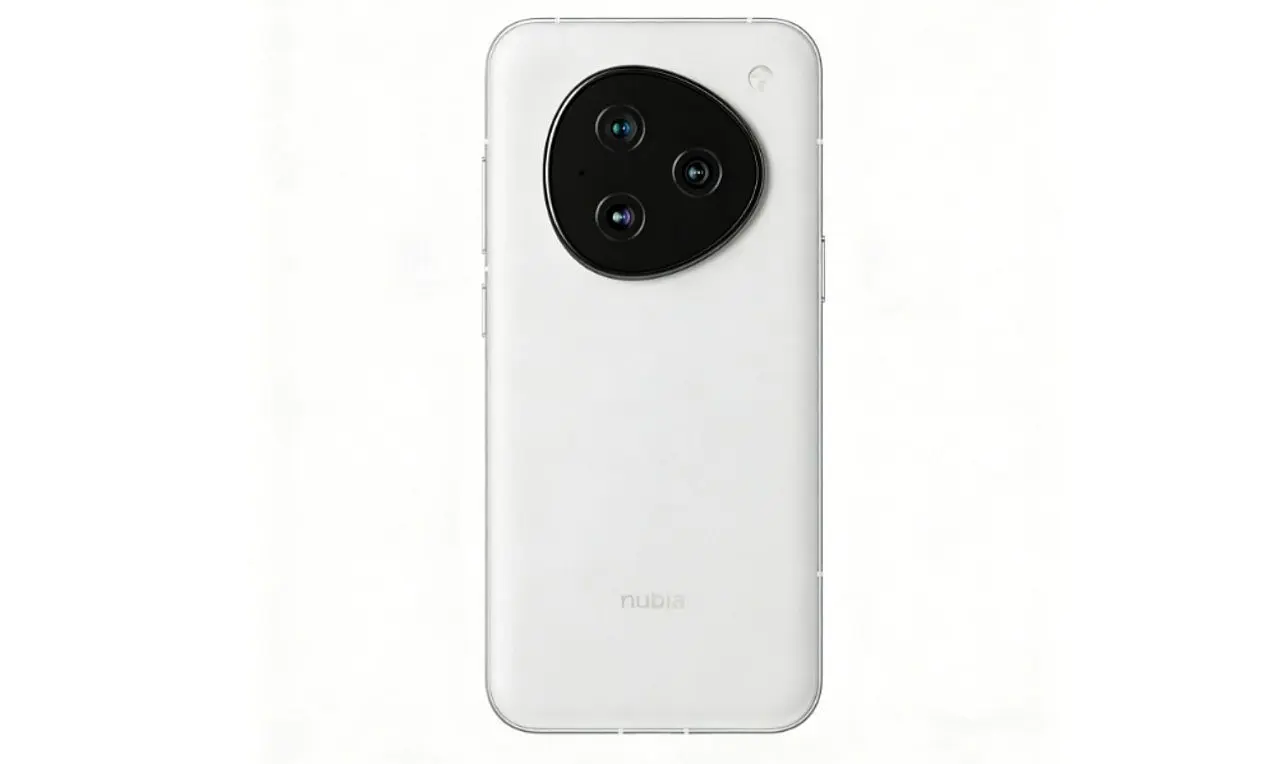
Nubia, a Chinese electronics manufacturer, confirmed the arrival of a new type of smartphone with artificial intelligence later this month. Unlike current devices that only incorporate AI functionalities, the company’s next model promises a system-level AI agent. This agent will be able to manage complex tasks autonomously for users.
Global launch of agent AI phone will take place at WAIC 2026
Ni Fei, senior vice president of ZTE and president of the company’s Mobile Devices division, announced the device as the world’s first smartphone with AI agent. The public launch is scheduled for the 2026 World Artificial Intelligence Conference (WAIC), which will take place in Shanghai, China, between July 17th and 20th.
On the same topic: Galaxy Z Fold 8 innovates and brings back the convenience of smaller screens for everyday use
Industry speculation indicates that the new device could be the commercial version of Nubia’s second-generation Doubao smartphone, developed in partnership with ByteDance. Its predecessor, the Nubia M153, was launched as a technological preview and sold 30,000 units on the first day, depleting initial stock. Shanghai authorities had also previously announced that the new phone would be among the main products presented at this year’s event.
Unlike current artificial intelligence smartphones, which focus on answering questions or creating content, Nubia’s AI agent will be deeply integrated into the operating system. The company claims that it will be able to interpret requests in natural language and execute complex actions, with multiple steps, in several applications autonomously.
See Also

From opening jars to solving problems: the secrets of octopus intelligence

3D printed artificial heart: ambitious project provides functional organ in ten years

PSG finalizes agreement with Ajax to sign striker Mika Godts for R$330 million
More on this story: Apple tradition indicates presentation of the iPhone 18 in September 2026
For example, if a user asks their phone to book the cheapest flight to Beijing, the AI agent must open the necessary applications. It will compare rates, fill in booking details and complete the payment process, without requiring manual intervention.
This capability is enabled by a graphical interface agent (GUI) architecture and a large language model (LLM) running on the device itself. It allows AI to visually understand and operate the phone’s interface, rather than relying solely on application APIs. ZTE also highlights its in-house smart scheduling technology, called CoClaw, which ensures seamless collaboration across applications and ecosystems for more advanced automation.