GameStop and Uber Eats begin partnership to deliver games and collectibles
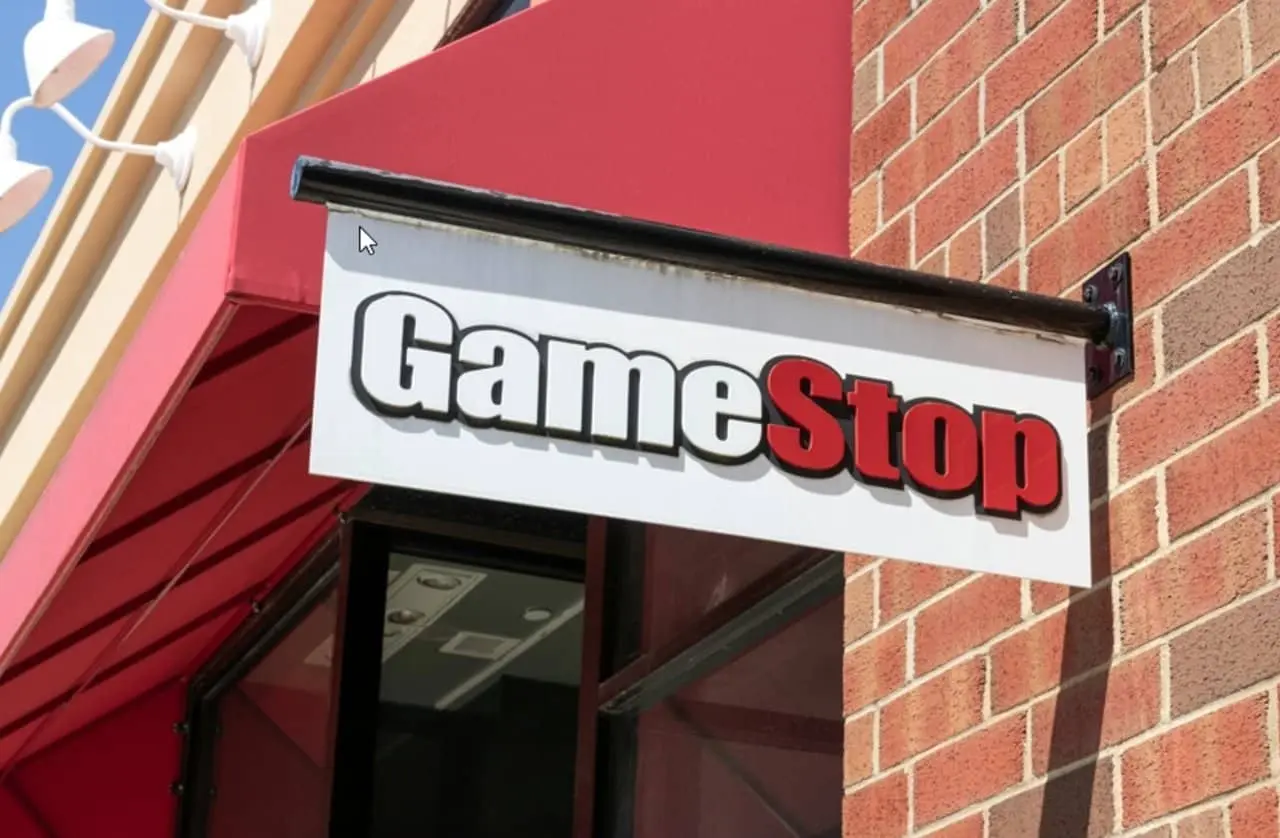
GameStop, a well-known gaming and electronics retail chain, and Uber Eats, Uber’s delivery platform, announced a new strategic partnership. From now on, GameStop’s catalog of games, accessories and collectibles will be available for delivery directly through the Uber Eats app, expanding convenience options for consumers.
GameStop seeks new paths in the digital market
The collaboration with Uber Eats comes at a crucial time for GameStop, which has been adjusting its business strategy in the face of the growing digitalization of the gaming industry. With the sale of physical media in decline, the company has turned its focus to products such as collectibles, accessories and card games, seeking to diversify its sources of revenue and adapt to new market trends. This movement is a reflection of the scenario, where major players such as Sony have already indicated plans to end the production of physical discs for new games from 2028 onwards.
Uber Eats expansion includes several product categories
Initially focused on food delivery at its launch in 2014, Uber Eats has significantly expanded its operations, transforming itself into a comprehensive marketplace. The platform now offers a wide range of on-demand products, including grocery items, convenience stores, beauty, home goods, office supplies, pet products and electronics. Hashim Amin, head of grocery and retail at Uber in North America, highlighted that consumers increasingly expect quick access to “gaming essentials and collectibles on demand,” whether it’s replacing a controller before a game night or purchasing a launch on opening day.
Learn more: Xbox Game Pass from September 2026 already has four games confirmed
Impact of digitalization on game retail
The transition to digital format has redefined the gaming retail sector. Currently, many “physical” releases simply consist of boxes containing a download code, depriving the original purpose of the physical media. Given this scenario, GameStop has strived to reinvent itself, with the partnership with Uber Eats representing an effort to reach customers in new ways and monetize demand for items that still have a strong physical component, such as action figures, trading cards and accessories.
See Also


- GameStop has been the subject of several important news in recent years, reflecting its search for a new identity in the market.
- In 2021, the company was the center of a financial phenomenon when Reddit users coordinated the massive purchase of its shares, driving up prices and generating huge losses for investors who were betting on it falling.
- At the beginning of 2026, the chain closed almost 400 physical stores, marking another stage in its restructuring.
- CEO Ryan Cohen attempted to acquire eBay for $55.5 billion the same year, an offer that was turned down despite GameStop’s market value being estimated at $12 billion. Cohen had been promised $35 billion in performance-based stock options in exchange for continued growth.
What the partnership means for consumers
For consumers, GameStop’s integration into the Uber Eats app offers a new layer of convenience. The ability to order a new game, headset or Funko Pop for delivery to their home or wherever they are, eliminates the need to travel to a physical store. This facility is particularly appealing to those looking for last-minute supplies for a gaming session or an unexpected gift. The collaboration aligns with market expectations for increasingly diverse and fast delivery services.
On the same topic: New Valve controller arrives on PCs and abandons hardware requirements
Future of Game Retail and GameStop Strategy
GameStop’s push into delivery partnerships reflects the adaptability needed to survive and thrive in an ever-evolving retail environment. By focusing on collectibles and accessories that continue to be in strong physical demand, and expanding its reach through delivery platforms, GameStop seeks to ensure its relevance to a new generation of gamers and enthusiasts. This strategy could be fundamental for the company to navigate the challenges posed by the gradual “death” of games on physical media and solidify its position in a competitive market.