Study on double earthquakes in Venezuela raises alert for San Andreas fault in California
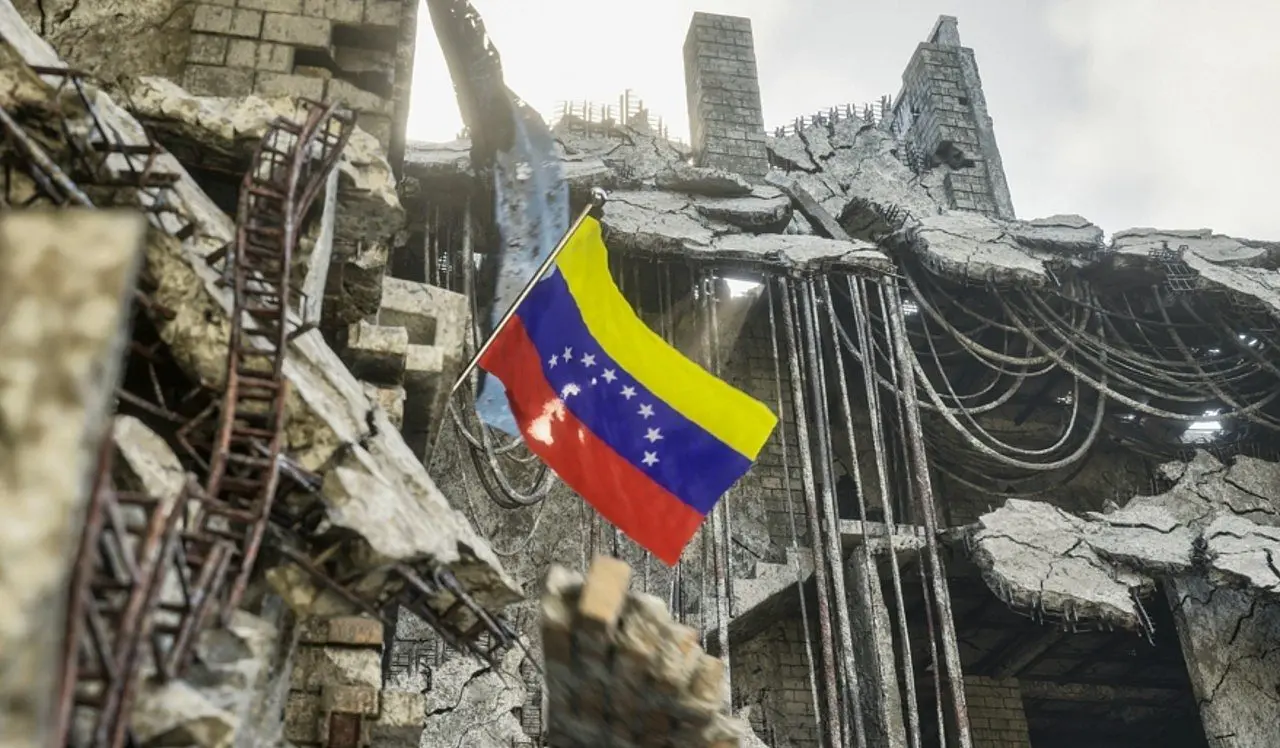
New discoveries about an unusual seismic sequence in Venezuela are raising a crucial warning signal for geologically sensitive regions like California. Recent research, by deepening the analysis of events that became known as “double earthquakes” on the Venezuelan coast, specifically those that occurredin July 1997, reveals fault behavior that could have direct implications for the feared San Andreas fault, in the United States. The results of the study suggest that complex systems can trigger multiple earthquakes of great magnitude in surprisingly short time intervals, a scenario that requires increased attention from authorities and the population in high-risk areas.
What are double earthquakes and what is their impact on seismicity
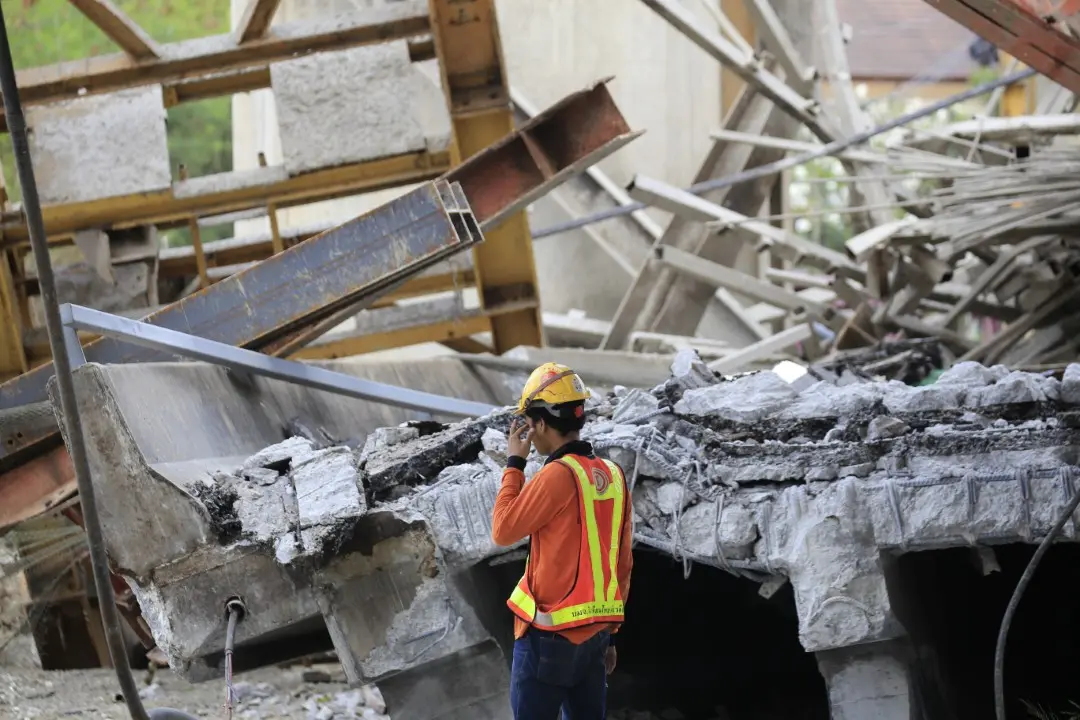
Understanding the dynamics of a double earthquake is critical to interpreting research findings. Unlike a mainshock followed by smaller aftershocks, a double earthquake consists of two seismic events of comparable magnitude that occur in geographic and temporal proximity. In Venezuela, the earthquakes of July 1997, one of magnitude 6.9 and the other of 6.5, just 12 seconds apart, were devastating for the Cariaco region. This type of occurrence demonstrates the ability of a failure to release energy in almost simultaneous stages, intensifying the damage and prolonging the period of instability. The particularity of these events lies in their synchrony and intensity, which distinguishes them from more common seismic sequences and makes them a valuable object of study.
Learn more: Japanese authorities speed up issuing warning for earthquakes off the coasts of Hokkaido and Sanriku
The intriguing geological similarities between faults in Venezuela and California
The researchers highlight that the geological conditions observed in the San Sebastián fault, in Venezuela, present characteristics remarkably similar to those of the San Andreas fault, in California. Both are strike-slip faults, where tectonic plates move horizontally relative to each other. This structural similarity allows scientists to extrapolate the rupture mechanisms studied in the Venezuelan event to understand how the San Andreas fault might behave. The buildup of stress and the way energy is transferred between interconnected fault segments are points of convergence, indicating that double earthquake dynamics may not be a phenomenon isolated to Venezuela, but a latent risk in other complex fault systems around the world. Detailed analysis of rock properties, underground pressures and fault geometry helps draw a clearer map of potential hazards.
Direct implications for monitoring the San Andreas fault
For California, the Venezuelan study brings a new paradigm to seismic monitoring. Traditionally, many seismic models focus on the probability of a single large event. However, the possibility of a “doublet” imposes the need to evaluate scenarios where two earthquakes of high magnitude may occur in rapid succession. This means that even a moderate seismic event could trigger a second significant tremor on an adjacent segment of the San Andreas fault, exponentially increasing the risk to cities and infrastructure. Seismologists are now considering more seriously how the release of stress in one part of the fault can transfer stress to other sections, potentially leading to a cascade of events. Reviewing warning protocols and calibrating seismic sensors to detect patterns that precede these dual events becomes a focus.
See Also



On the same topic: Yamanashi Prefecture in Japan is hit by a magnitude 6 earthquake, without a tsunami warning
Preparedness measures for the population in high-risk areas
Given the complexity of seismic phenomena and the warning coming from Venezuelan research, individual and community preparation is essential, especially in regions like California. Being aware of the risks and knowing how to act can save lives and mitigate damage. Civil defense authorities and security experts recommend the adoption of a series of preventive measures for any resident in seismic zones:
- Create a family emergency plan:Define meeting points, emergency contacts and alternative communication channels in case regular services are interrupted.
- Assemble a survival kit:Include drinking water, non-perishable food, essential medicines, flashlights, battery-powered radio, whistle and important documents.
- Identify safe places inside the home:Know where to take shelter under sturdy structures, such as tables and door frames, and away from windows or objects that could fall.
- Securing heavy furniture:Secure bookshelves, cabinets, and other large objects to walls to prevent them from tipping over during a tremor.
- Participate in training and simulations:Know and practice “duck, cover and hold” procedures to quickly respond to an earthquake.
- Stay informed:Follow alerts and guidance from local authorities on seismic safety.
The San Andreas Fault: A History of Concussions and Constant Surveillance
The San Andreas fault is one of the most active and studied in the world, responsible for much of the seismic activity in California. With a length of more than 1,300 kilometers, it marks the border between the Pacific and North American tectonic plates, which move laterally in relation to each other. Throughout history, the region has been the scene of devastating earthquakes, such as the one in San Francisco in 1906, which resulted in thousands of deaths and massive destruction. Currently, the fault is monitored 24 hours a day by a vast network of seismic sensors, which record even the smallest tremors. This continued surveillance is crucial for collecting data and improving forecast models, which now need to also consider double earthquake scenarios inspired by the Venezuelan events. The complexity of the failure system requires constant research and adaptation of safety strategies.