Samsung launches screenless smart glasses with Android XR and advanced AI
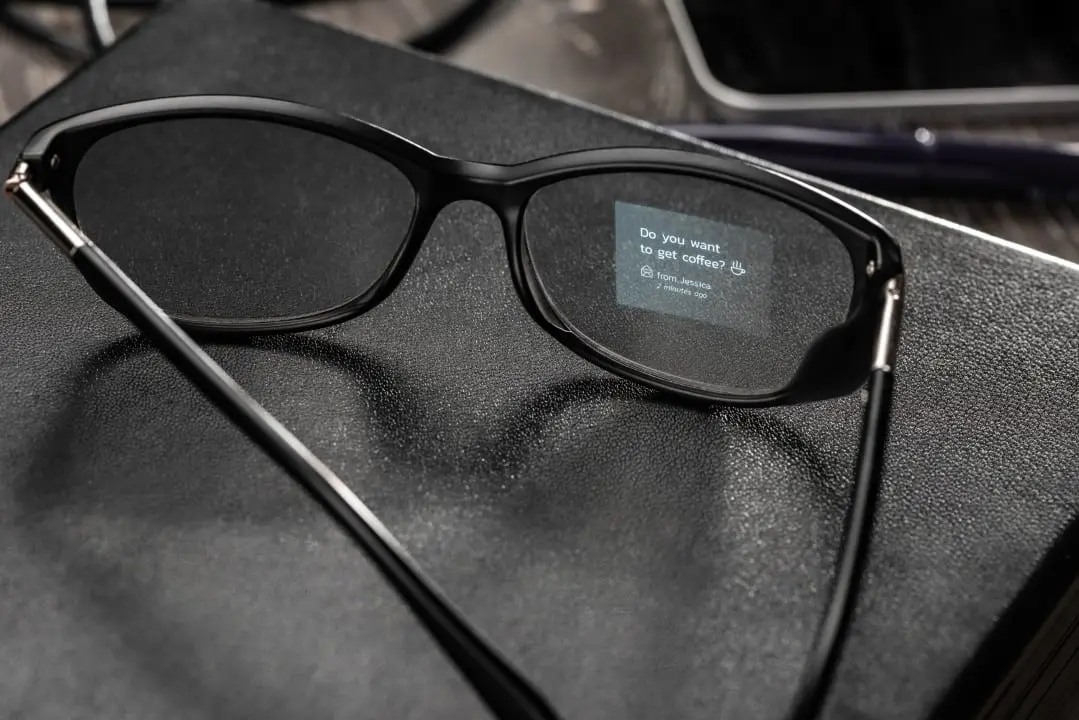
Samsung presented a new line of smart glasses, which promise to integrate artificial intelligence into everyday life in a less intrusive way. The launch took place at a recent Galaxy Unpacked event, bringing a different proposal to the wearables market. The devices are developed in collaboration with Google and Qualcomm, indicating a joint effort to innovate in the category. The main feature is the absence of a screen, focusing on audio feedback and contextual interaction.
Technology behind the Android XR experience
The development of these smart glasses is the result of a strategic partnership between technology giants. The devices run the Android XR operating system, a version optimized for extended reality, and are equipped with the Snapdragon AR1 Gen 1 chipset. Unlike the XR2+ Gen 2 chip, used in Galaxy XR headsets, the AR1 was designed specifically for thin and light smart glasses, prioritizing efficiency and comfort. The Google Gemini AI assistant, in its wearable version, is one of the pillars of the experience, allowing the glasses to “see” the world through its integrated camera to offer additional context. This trilateral collaboration underlines the companies’ commitment to setting the standards for the next generation of wearable devices, focusing on a fluid integration between hardware, software and artificial intelligence.
Smart features to make everyday life easier
Samsung’s new glasses come with a set of features designed to help users in various everyday situations, transforming their interaction with technology. They use artificial intelligence to perform practical tasks, without the need for a complex visual interface.
More on this story: Meta and Ray-Ban smart glasses debut with AI and neural interaction bracelet
- Organization of information:The built-in camera can photograph surfaces, such as a whiteboard, and organize the captured information directly in the user’s notes app.
- Visual communication:In addition to recording first-person videos, the camera can be used to show the user’s surroundings during video calls.
- Text summary:The glasses are capable of summarizing long messages and reading important information, optimizing the user’s time.
- Real-time translation:For those traveling, there is a real-time translation feature, making it easier to communicate in different languages.
- Navigation and exploration:They offer real-time navigation to a selected destination and provide information about the surrounding area, ideal for sightseeing.
These capabilities demonstrate a significant step towards making artificial intelligence a more integrated and useful part of everyday life, allowing people to interact with the digital world in a more natural and unobtrusive way.
See Also



Control methods and the strategic decision not to have a screen
Samsung has implemented several intuitive forms of control for its smart glasses, ensuring a fluid and adaptable user experience. Control can be done by voice commands, allowing completely hands-free interaction. Furthermore, the temples of the glasses have touch-sensitive areas, offering a discreet control alternative. There is also the possibility of controlling the glasses through other connected devices, expanding interaction options.
The decision to launch glasses without a screen is a crucial and strategic point. The company highlights that the goal is to “bring artificial intelligence closer to people as they move, work, communicate and explore, without every interaction starting with a screen.” Android XR fully supports displayless designs, which supports this view. This approach distinguishes “AI glasses” from “augmented reality (AR) glasses,” which Samsung is also developing and which will, in fact, have screens. The company bets on ambient intelligence, where technology helps without requiring constant visual attention, redefining the way we connect with the digital world.
Design and partnerships with the fashion world
To ensure that the smart glasses were not only technologically advanced but also aesthetically appealing, Samsung sought collaboration with renowned design brands. The electronic part was developed by technology companies, but the visual design relied on the expertise of Gentle Monster and Warby Parker. Gentle Monster has designed a modern and sophisticated look, featuring a slim black frame with a straight top edge and rounded bottom edges. Warby Parker opted for a brown tone, aiming for a style more suitable for daily use. These partnerships are essential to promote the acceptance of wearables in the market, combining functionality and aesthetic appeal to naturally integrate with users’ personal style.
Samsung’s vision for the future of wearable artificial intelligence
The introduction of Samsung’s smart glasses, with their screen-less design and audio focus, signals a clear direction from the company regarding the future of wearable artificial intelligence. By opting for a device that prioritizes contextual assistance and voice interaction, Samsung positions itself at the forefront of “ambient computing.” This approach aims for technology that integrates more organically into the user’s environment, providing information and support in a subtle way and without visual interruptions. The distinction between these “AI glasses” and future “AR glasses” with a display is key, showing that Samsung is exploring different facets of wearable technology. The company is investing in an experience where artificial intelligence becomes a natural extension of human capabilities, promising a future where technology is always present, but never intrusive, redefining interaction with the digital world.