Researchers uncover beetles from the age of dinosaurs in discoveries in the Northeast
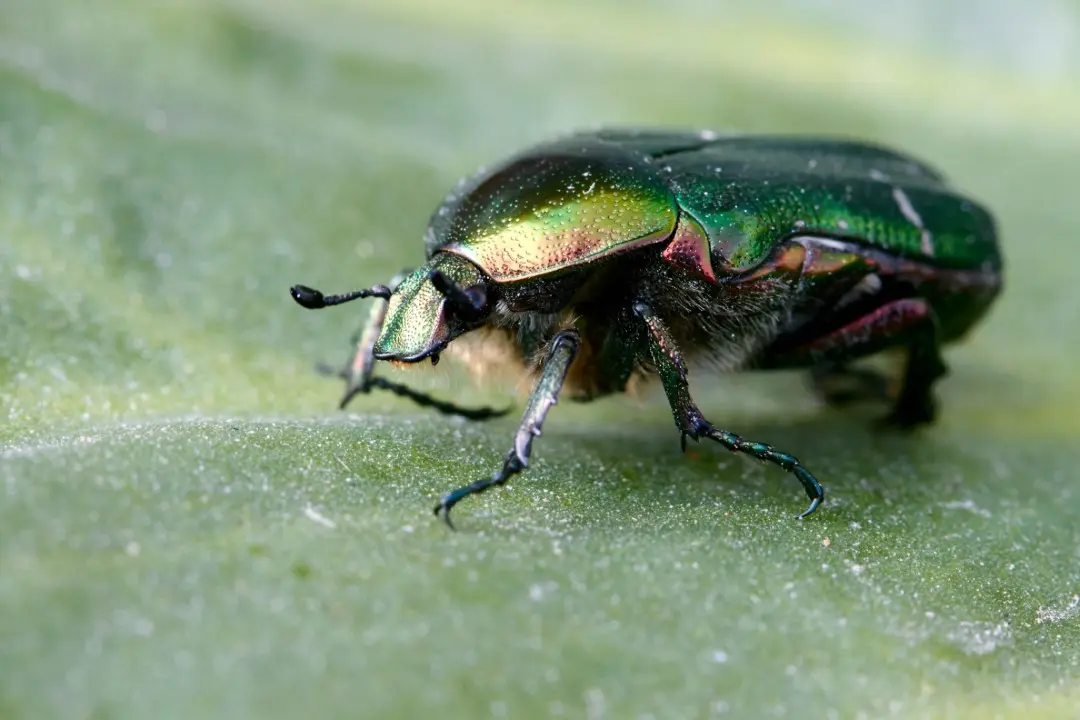
A team of scientists announced, in July 2026, the identification of ancient fossils of beetles that inhabited the Brazilian Northeast millions of years ago. The discoveries occurred in the Araripe Basin, a location already celebrated for its extensive geological formations and paleontological importance. This new archaeological evidence further solidifies the region’s fundamental role in understanding the history of life on Earth.
These beetles, preserved in rocks from the Cretaceous period, provide an unusual glimpse into the insect fauna during the reign of the dinosaurs. The level of detail observed in the specimens allowed scientists to determine unique morphological traits, which point to a complex web of life in those times. The relevance of these findings lies in the ability to map the ancestral biodiversity of the Northeast, scarce information that now contributes to a more complete panorama of the evolution of terrestrial ecosystems.
On the same topic: Researchers discover mammal fossil from the dinosaur era in Japan; species may be unprecedented
Araripe Basin: a treasure for Brazilian paleontology
Stretching across the states of Ceará, Pernambuco and Piauí, the Araripe Basin ranks as one of the most notable fossil fields globally. Over the years, the site has revealed a wide range of discoveries, including remains of fish, reptiles, plants and a variety of other insects. The area is essential for understanding the evolutionary history of life on the ancient supercontinent Gondwana.
The detailed analysis of these new beetle specimens helps to complement information about the terrestrial ecological systems of the Early Cretaceous. It is likely that these insects had vital ecological functions, acting as decomposers of organic matter or as pollinators, which would have directly impacted vegetation and other animal species of the period.
See Also



More on this story: Security Yearbook reveals Northeast with most violent cities and high number of feminicides
How the research was carried out and next steps
The investigation was led by a multidisciplinary group made up of paleontologists and entomologists from several universities in Brazil. To examine the samples precisely, the researchers employed sophisticated electron microscopy methods. The conclusions were published in an important specialized scientific publication.
The information brought by these findings creates opportunities for future studies on the joint evolution of insects and plants in the prehistoric context of Brazil. Experts hope that new field missions in the Araripe Basin will uncover more secrets about our planet’s distant past, with a particular focus on the South American region.