Strong tremor hits the island of Kyushu and creates a risk of giant waves in Japan
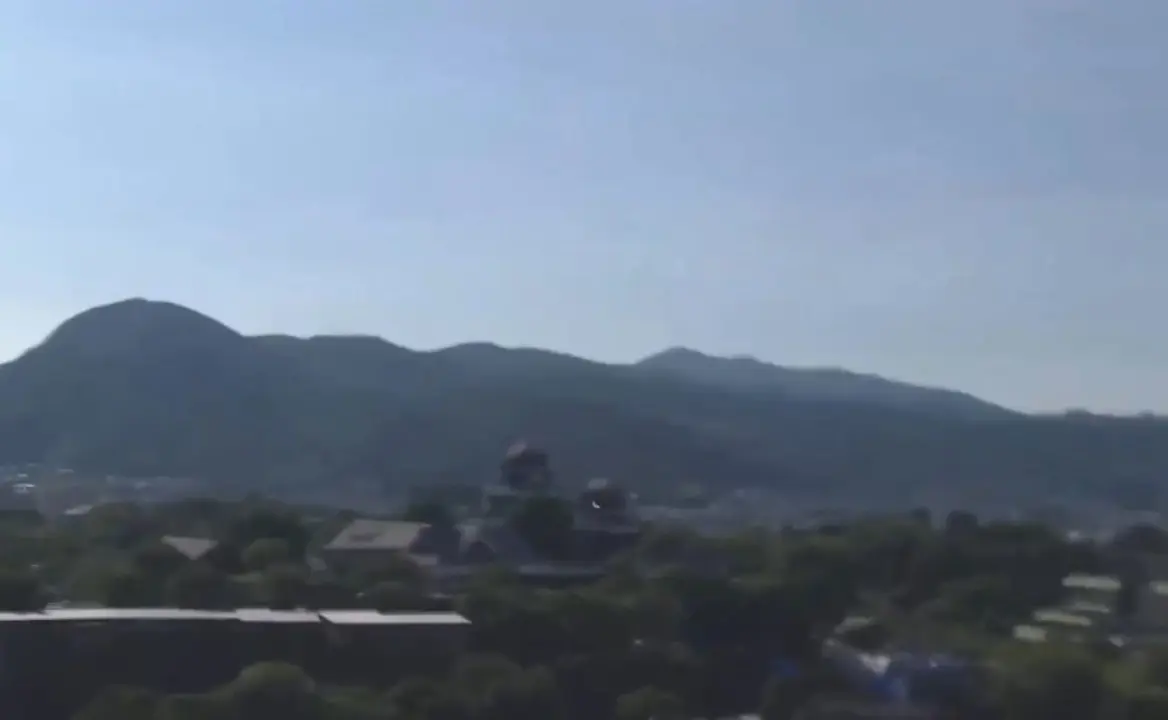
On July 28, 2026, a large earthquake, registering 7.1 degrees on the scale, hit the southwestern portion of Japanese territory. The geological phenomenon had its point of origin mapped on the island of Kyushu, more specifically in Kumamoto Prefecture, forcing the local government to issue immediate warnings about the possible formation of destructive waves and direct the rapid departure of millions of residents from coastal areas.
Coastal areas enter a state of maximum attention after the earthquake
- Kumamoto Prefecture
- Nagasaki Territory
- Kagoshima Region
- Fukuoka metropolitan area
- Saga District
- Oita Locality
- Miyazaki sector
Rigorous inspections rule out damage to power generation complexes
As soon as the earth stopped shaking, government agencies launched inspection protocols at critical points in the industrial network. To the relief of residents, the agency responsible for monitoring the atomic sector in the country issued an official statement guaranteeing that the radioactive plants located near the epicenter did not present any type of structural failure or leak harmful to the environment.
More on this story: 7.1 magnitude earthquake hits Kyushu island and creates risk of giant waves
The company that manages the electrical matrix for this portion of the archipelago corroborated the safety information. According to the concessionaire’s engineers, the Sendai and Genkai generating units kept their three active cores working within normal parameters, without the strong underground impact interfering with the continuous production of electricity.
Direct impacts on urban mobility and occasional blackouts
Civil infrastructure, however, suffered significant preventive shutdowns throughout the day. The local railway network immediately stopped the circulation of high-speed trains so that technicians could look for cracks or unevenness in the tracks. Simultaneously, the force of the event left approximately 45 thousand homes and businesses completely dark in the central region of the disaster, requiring emergency repairs to the distribution network.
The complex geological reality of the Asian archipelago
Japanese territory sits on one of the most unstable tectonic zones on the planet, where continental and oceanic plates constantly collide, generating colossal pressure. This awkward location means that the Asian nation is home to a fifth of all global tremors that exceed the six-degree mark, requiring its 125 million citizens to live daily with the threat of severe underground ruptures.
Due to this historical vulnerability, the local government developed a network of state-of-the-art sensors, capable of anticipating the arrival of shock waves and issuing audible warnings on cell phones seconds before impact. This cutting-edge technology is essential in a place where seismographs detect vibrations perceptible to the population in very short intervals of time, transforming prevention into a continuous state policy.
See Also

Tsitsipas overcomes initial challenge in Cincinnati and prepares for duel against Aliassime
Hurricane Lala intensifies and could be the first to touch Hawaii in 34 years

Tragic accident during Volta de Portugal takes life of 19-year-old British cyclist
Learn more: Typhoon Dolphin causes flooding in Yuhuan, China, after traveling more than 6 thousand km
The ghost of great natural tragedies still haunts the population
Any atypical movement of the earth revives deep traumas in society. The darkest episode in recent history occurred more than a decade ago, when a colossal nine-degree shock at the bottom of the ocean generated a wall of water that swept the northeast coast, claiming thousands of lives and causing the meltdown of reactors at the Fukushima plant, forever altering the country’s energy matrix.
Another considerable scare occurred during the spring of 2020, when the northern portion of the country faced a shock of 7.7 degrees. On that occasion, the energy released was so intense that skyscrapers located in the Tokyo metropolis visibly swayed, resulting in dozens of injuries due to falls and objects thrown into apartments and offices.
Regarding the current event in Kyushu, rescue departments are still working on a preliminary survey of the damage. There is, at this point, no official report confirming the exact number of injuries or the severity of the structural destruction, while battalions of firefighters and paramedics remain on standby searching the areas most at risk in search of residents who need help.
Full coverage: Latest News (EN)