After a billion-dollar sale to a Saudi fund, EA plans to cut US$700 million in costs
Electronic Arts (EA) told investors that it plans to reduce US$700 million in annual costs, of which US$170 million is tied to “organizational efficiencies.” This announcement comes with the completion of the sale of the company for US$55 billion to a consortium led by Saudi investors. Journalist Jason Schreier interpreted the phrase about “efficiencies” as an indication of mass layoffs.
The transaction transfers control of the video game giant to a group headed by Saudi Arabia’s Public Investment Fund (PIF) and investment firm Affinity Partners, led by Jared Kushner, son-in-law of former President Donald Trump. The deal marks the end of EA’s 36 years as a publicly traded company and stands as the largest leveraged buyout in history.
The terms of the deal state that all EA shareholders, including many employees, will receive $210 per share. To complete the operation, the PIF took a US$20 billion loan from JPMorgan, adding to the US$36 billion already committed, with EA itself assuming the resulting debt. The total debt load for the company is estimated at $18 billion, which would represent an annual interest cost of approximately $1.8 billion.
More on this story: Purchase of Electronic Arts by Saudi group generates warning of mass layoffs
EA’s annual earnings before interest, taxes, depreciation and amortization (EBITDA) are around $1.5 billion. Although this amount is sufficient to cover interest payments, the planned cost cuts suggest that the company seeks to create an additional margin of financial security.
Industry observers have expressed concerns about the possible implications of the debt for the company. Jason Schreier indicated that financial pressure could lead to mass layoffs, more aggressive game monetization, and other drastic cost-cutting measures. Christopher Dring, editor-in-chief of Game Business, said the structure of the acquisition points to a “very direct approach” by the investment group, noting that private equity firms are generally aggressive managers.
See Also
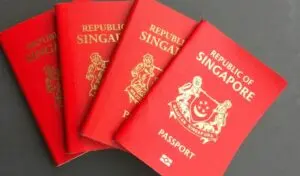
Singapore leads 20th global ranking of most powerful passports of 2026

T. rex skeleton fetches record price of US$50.1 million at auction in New York

Giants of the seas: the 11 biggest cruise ships of 2026 and the future of floating luxury
Some industry sectors have also raised questions about the deal’s impact on EA’s creative direction. Shams Jorjani, CEO of Arrowhead Game Studios, expressed hope that the new management will not push EA to focus on “more sequels and megafranchises” to the detriment of its broader catalog and innovation.
Learn more: Purchase of Electronic Arts by Arabs generates huge debt and risk of layoffs
The sale has also been the subject of scrutiny due to Saudi Arabia’s human rights record. The kingdom, under interpretations of Sharia law, can punish consensual same-sex conduct with death or flogging, which has raised concerns among fans of EA titles like The Sims, which feature LGBT+ relationships.
Advocacy group Players Alliance HQ encouraged players to petition politicians against the deal. The organization warned that PIF’s majority ownership could result in the “reduction or outright censorship” of topics related to freedom of expression and gender. The PIF is controlled by Crown Prince Mohammed bin Salman, whose government has been blamed by several human rights organizations for the murder of journalist Jamal Khashoggi.
In the initial announcement of the negotiation, Andrew Wilson, EA’s executive director, who will remain in his role, stated that the company intends to “create transformative experiences to inspire future generations.”