Plastic makes up 59% of global fiber output and 37% of smartphone mass By Carolina Costa
5 min read
 |
Of all fiber produced worldwide in 2025, 59% came from plastic, through polyester. The figures come from surveys by the international organization Textile Exchange and by the São Paulo State Plastic Materials Industry Union (Sindiplast), which track the use of polymers in clothing, electronics, vehicles, hospitals and food preservation.
According to the Materials Market Report 2026, published by Textile Exchange on September 22, 2026, global fiber manufacturing reached a record 139 million tonnes in 2025, up from 132 million tonnes in 2024. In Brazil, everyday use of these materials splits consumers between practical usefulness and environmental concern. “Brazilians understand that plastic performs important functions in different areas, while also recognizing the need to reduce environmental impacts through correct disposal, recycling and strengthening the circular economy,” said Paulo Teixeira, president of Sindiplast.
Polyester’s share of the 2025 fiber market
Within the record 139 million tonnes, polyester reached 82.5 million tonnes. Of that total, 72.8 million tonnes, or 88% of all polyester, came from virgin raw material of fossil origin, leaving cotton in second place worldwide with an 18% share of the market. Recycled polyester totaled 9.7 million tonnes in the same period, and 97% of that volume came from PET plastic bottles, not from textile waste discarded by the fashion industry itself.
In clothing such as jackets, gym pants and sports shirts, the synthetic fiber is chosen for quick drying, physical resistance and a lower tendency to wrinkle. The footwear sector also uses these materials, even in models whose outer part is made of animal leather. Synthetic polymers such as polyurethane and EVA make up the insole, midsole and outsole of sneakers, providing support, flexibility while walking or running, impact absorption and resistance to wear from direct friction with the ground.
Plastic inside phones, power grids and cars
Polymers are large molecules formed by the repetition of small chemical units, and their structure determines whether an item will be rigid, flexible, elastic or heat-resistant. A technical study of 23 smartphone models found that plastic components account for an average of 37% of the devices’ mass. They appear in internal wires and cables for electrical insulation, circuit boards for structure, optical parts in cameras, flexible membranes in speakers and microphones, and adhesives and seals that hold parts in place.
Keep reading: Motorola smartphones in current catalog draw purchase warnings over software and price
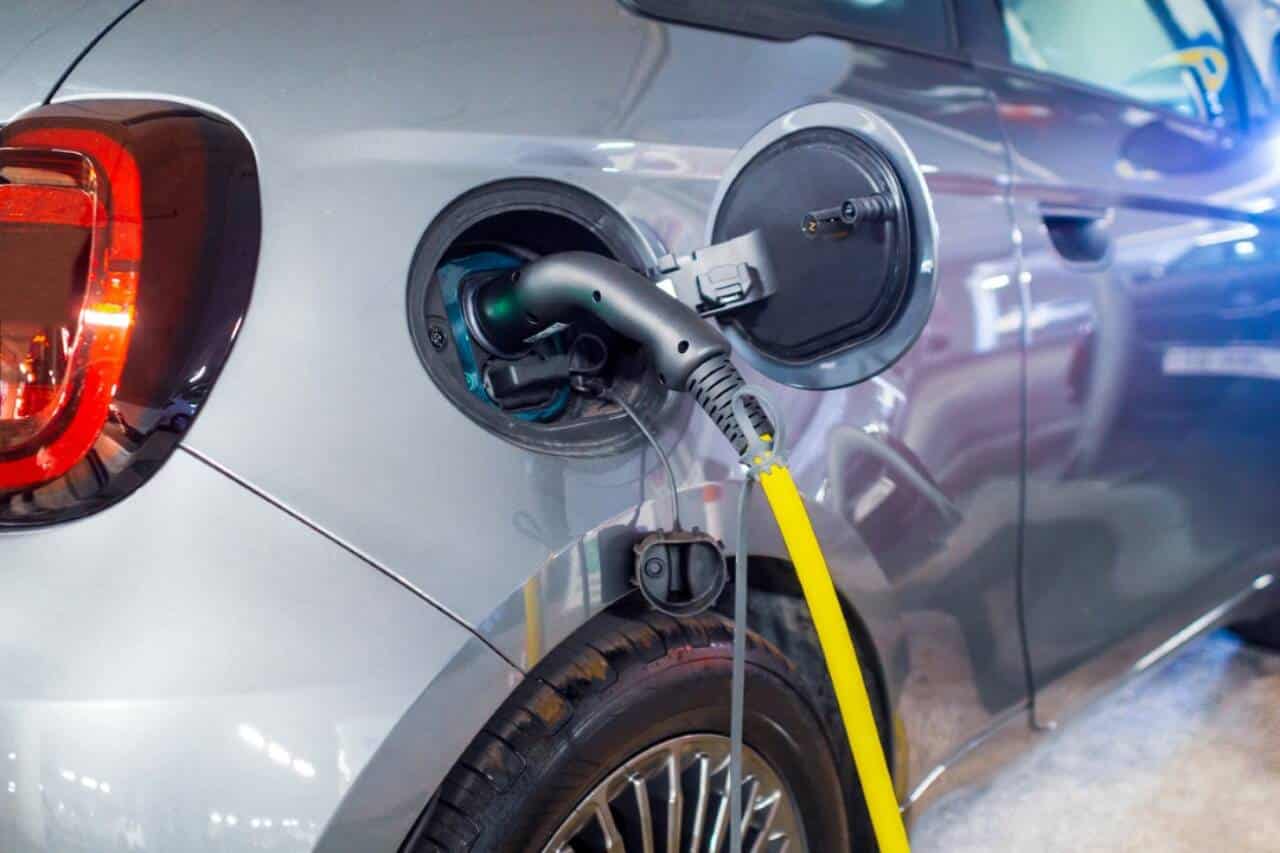
Outside portable devices, plastic’s ability to insulate electric current and withstand temperature changes makes it the standard coating for metal wires, sockets, switches and connectors, helping prevent short circuits and electric shocks when installations are intact. In the car industry, plastics and other light materials are used in bumpers, panels and interior trim, replacing heavier parts according to the safety requirements of each component. According to data from the United States Department of Energy, cutting a car’s total weight by 10% improves fuel economy by between 6% and 8%.
What Brazilians think about plastic packaging and disposal
In health care and food retail, polymers act as a physical barrier against outside contamination. Hospitals use the material in disposable syringes, tubes, infusion systems, flexible bags for intravenous solutions and wrappers that keep surgical instruments sterile until the procedure. In food, plastic films and polyethylene layers inside long-life cartons, combined with paperboard and aluminum, protect products such as milk, meat, fruit and biscuits from oxygen, humidity and light.
To measure how the population sees these uses and where waste ends up, the Nexus institute carried out a survey for Sindiplast in March 2025 with 2,009 respondents across all regions of Brazil. The main national results are listed below.
- 93% agree that improper disposal of plastic packaging harms the environment.
- 87% say plastic packaging helps preserve product quality and avoid food waste.
- 81% say they make an effort to avoid generating waste in their daily lives.
- 61% say it is impossible to avoid using plastic packaging in their routine.
- 22% already send packaging to a specific destination, through donation or collection by specialized companies.
How polyurethane foam replaced horsehair, feathers and wool
Over the last two centuries, large-scale use of polymers changed production chains that once depended only on natural or animal resources. In making mattresses, pillows, sofas and upholstery, polyurethane foam, formulated for different levels of firmness, elasticity and softness, took the place of stuffing made from horsehair, feathers, wool, cotton and plant fibers. Early in the 20th century, the development of Bakelite, an early fully synthetic plastic, started industrial production of plastics and made possible the insulating casing of old radios and telephones.
Learn more: WhatsApp storage management tools clear large media files and chat history on Android smartphones
Earlier, in the 19th century, celluloid became a direct alternative to hawksbill sea turtle shell, which was harvested to make eyeglass frames, combs and hair accessories because of its strength and ease of molding. Records from the Cooper Hewitt design museum, part of the Smithsonian Institution in New York, show that celluloid pieces already imitated the look of animal shell in the 1880s. Despite the synthetic alternative, hunting continued into the following century: between 1950 and 1992, Japan imported more than 310 tonnes of hawksbill shell, a volume matching an estimated catch of 1.3 million animals.
The fate of polymers manufactured today is split between controlled disposal in licensed sanitary landfills, which have waterproofing to protect soil and water, and shipment to recycling centers. Industrial reuse, which reduces the extraction of new raw materials, depends directly on household separation, a selective collection system, sorting by resin type and the processing technology available for each kind of plastic.