Switch 2 owners get the Ocarina of Time remake on November 5 for US$59.99 By Luís Henrique Costa
4 min read
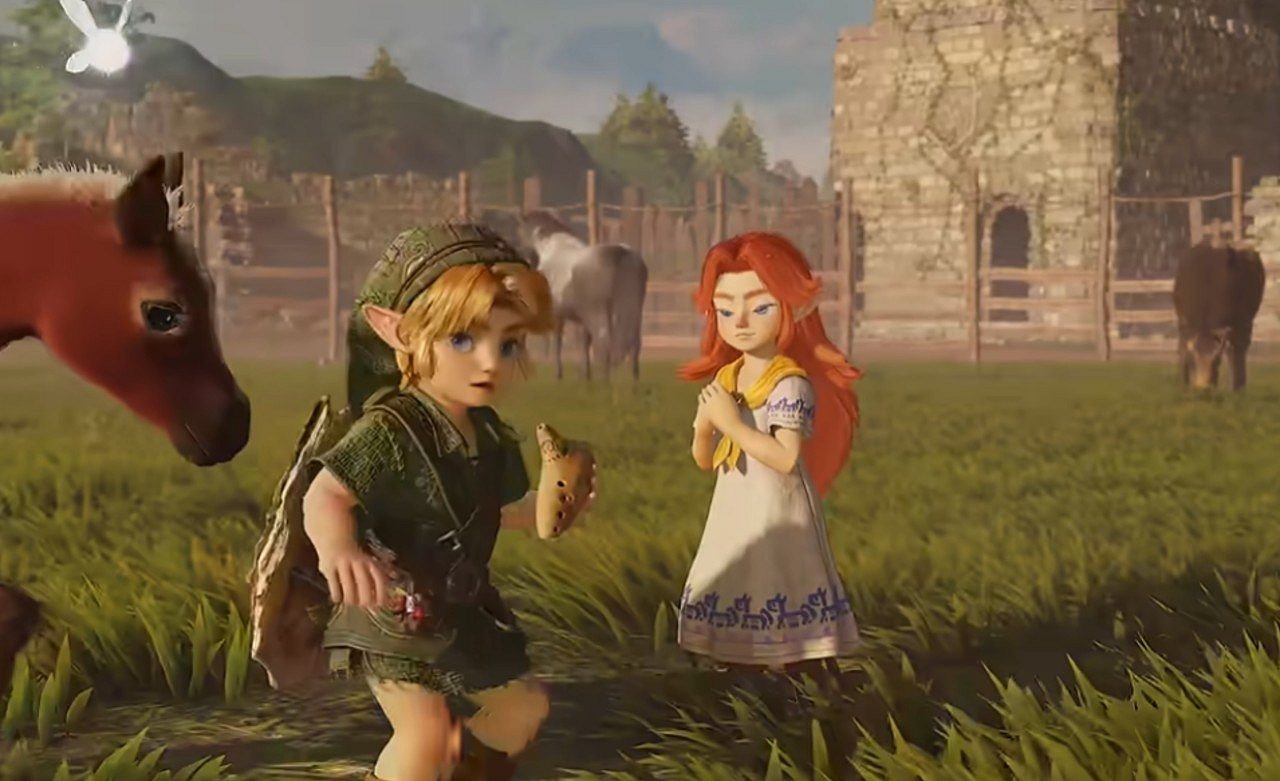 |
Nintendo releases its remake of The Legend of Zelda: Ocarina of Time for the Nintendo Switch 2 on November 5, 2026. The Japanese publisher rebuilds the 1998 Nintendo 64 adventure with new lighting, voiced cutscenes and a system that lets players perform songs by humming into the console.
The digital version costs US$59.99 in the American store, and Nintendo also sells physical copies in a commemorative case. The launch comes 28 years after the original reached international markets in November 1998, and about two weeks before Rockstar’s Grand Theft Auto 6, which reports list for November 19.
Sharper visuals and smoother play on Switch 2
Developers rebuilt the textures of Hyrule from scratch for the new hardware. The Kokiri Forest, the Citadel and the Gerudo Valley received high-definition models, real-time lighting and volumetric shadows. The target frame rate is 60 frames per second, which Nintendo says removes the slowdowns seen on earlier versions.
Link’s movement also changed. Players control the 3D camera freely with the right analog stick, a function that the original fixed in set positions. The hero runs and jumps with newer animation transitions instead of the stiff geometry of the late 1990s version.
Key story scenes now feature spoken dialogue instead of text boxes. Koji Kondo’s music was re-recorded by a symphonic ensemble, replacing the compressed synthesizer sounds of the cartridge. Transitions between indoor spaces and open areas shrank to fractions of a second thanks to the console’s solid-state storage.
Built-in microphone turns humming into song
The ocarina, the game’s magic instrument, works with the microphones built into the Switch 2 console. Players can hum or blow notes into the system to play songs such as the Song of Time and the Bolero of Fire. The system reads the acoustic frequencies and triggers the weather and time events of the story.
- The microphone picks up the pitch and rhythm of the player’s humming.
- Electronic and acoustic ocarina replicas are compatible with the game.
- Classic button inputs stay available for players who prefer them.
- New orchestral tracks react to the sounds of each environment.
Nintendo kept the classic navigation on the front buttons for players who prefer manual controls. Ocarina-shaped accessories in blue ceramic also connect to the console through Bluetooth wireless communication.
Follow: Nintendo Switch 2 gets Ocarina of Time physical pre-order gifts
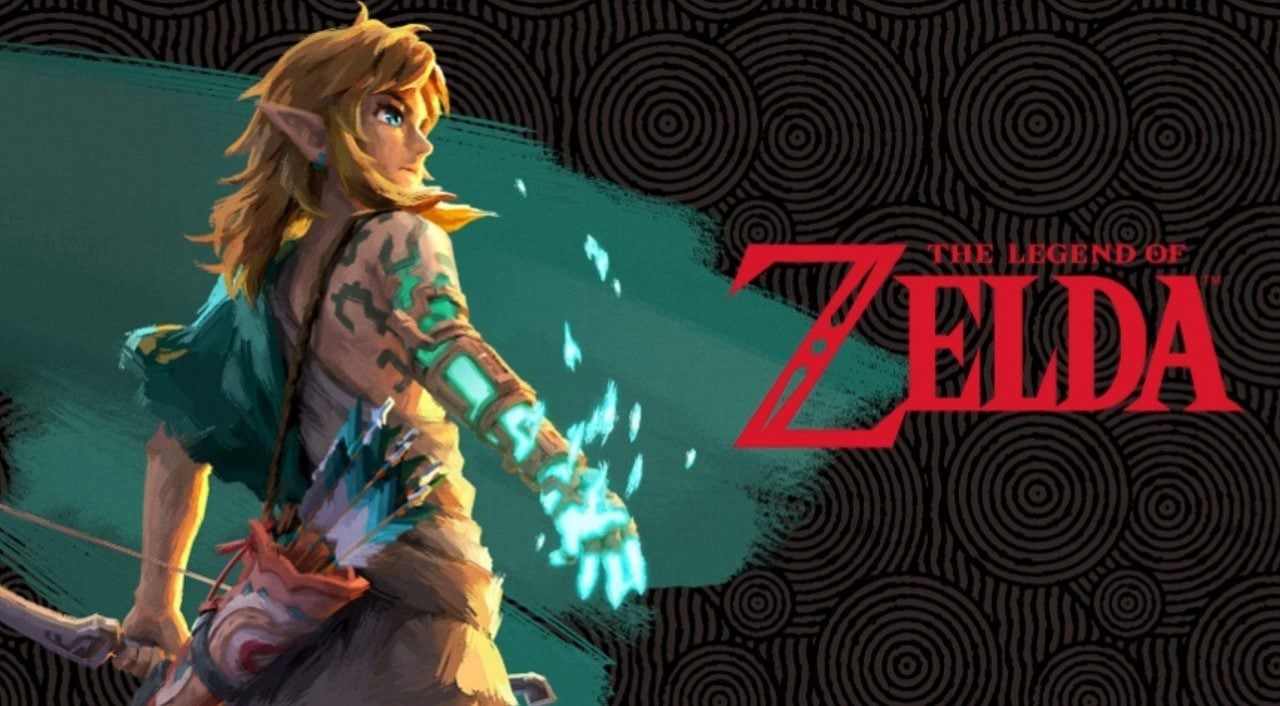
Key specs, prices and formats for the remake
- Official title: The Legend of Zelda: Ocarina of Time
- Developer and publisher: Nintendo
- Platform: Nintendo Switch 2, exclusive according to the store listing
- Price: US$59.99 digital and US$69.99 physical, in the United States
- Formats: physical edition with special packaging and digital download
- Languages: English and Japanese voice tracks, with subtitle options
- Players: single-player, with an estimated download size of 27 GB
Threads of Time and the Zelda Notes app
The new Threads of Time feature records each player’s progress through illustrations inspired by medieval tapestries. As Link solves dungeon challenges and collects spiritual stones, the screen shows his achievements and suggests the next places to visit. It does this without placing invasive markers on the map, which helps both new and veteran players track side missions.
The companion smartphone app adds a Zelda Notes panel with tools for exploring Hyrule. It offers daily combat challenges, horse race times and interactive maps that show where collectible items are hidden. A history quiz with more than two thousand questions covers dungeons, bosses and characters from the series.
Completion statistics sync in real time with the player’s profile on the Switch 2. Players can share records with their friends lists.
Four decades of the series, from the 1986 original to 2026
The series was created by designers Shigeru Miyamoto and Takashi Tezuka and began its commercial run in Japan during the eight-bit era. Each generation since then changed design standards in the video game industry. The milestones below mark the main releases of the saga.
Read also: Nintendo Switch 2 gets Zelda 40th anniversary case on Amazon
- 1986: first The Legend of Zelda on the Famicom Disk System, with battery save
- 1991: A Link to the Past on the Super Nintendo, expanding the idea of parallel worlds
- 1998: Ocarina of Time on the Nintendo 64, setting Z-targeting in 3D
- 2011: Ocarina of Time 3D on the Nintendo 3DS, with stereoscopic 3D
- 2017: Breath of the Wild on the Switch, redefining open-world physics
- 2026: structural remake of Ocarina of Time for Switch 2, marking 40 years of the series
The central story follows a young hero from the forest as he confronts the tyranny of the sorcerer Ganondorf, who seeks the sacred Triforce to dominate the sacred provinces. Removing the Master Sword from the Temple of Time lets the narrative move between Link’s childhood and his adult years.
On October 29, 2026, Nintendo put a commemorative Switch 2 console on sale, decorated with gold ornaments from Hyrule’s royal crest. The bundle includes detachable controllers with themed grips and a textured table stand.
Early shipments of the physical remake reach retailers with a metal slipcover that features new character art. Digital copies are already available for pre-loading on compatible consoles.