Apple prepares iPhone 18 Pro with advanced camera and foldable version for 2026
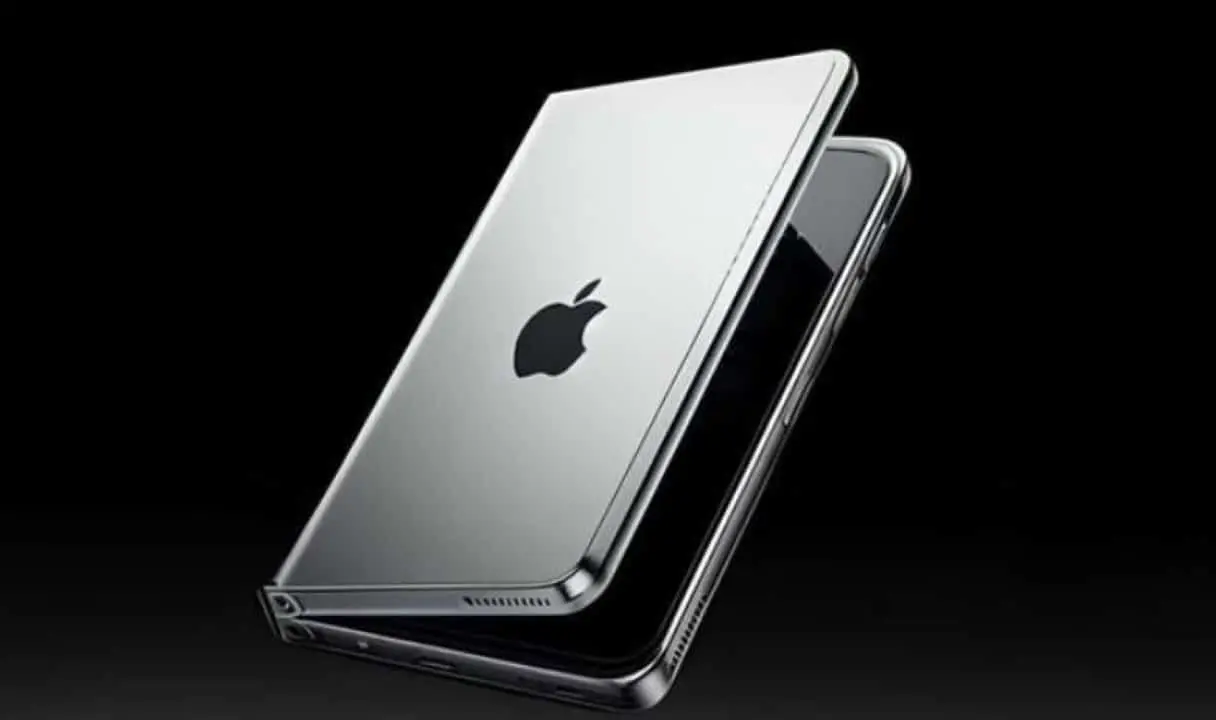
The Cupertino giant plans to revolutionize its smartphone portfolio in the second half of 2026 with the launch of two premium devices aimed at different consumer profiles. While the traditional version focused on photographic performance and battery savings gets robust updates, the big news is a new device with a 7.8-inch flexible screen. The purchasing decision will require customers to carefully evaluate which format best meets their daily demands, marking the manufacturer’s late but strategic entry into the foldable segment.
The technological heart of both launches will be the A20 processor, developed using the innovative 2-nanometer lithography of Taiwanese manufacturer TSMC, which leads the global supply of semiconductors. Industry experts project that this new component will deliver 15% higher processing speed and use 30% less energy compared to the A19 chip. However, the company must adopt a segmentation strategy: the most powerful variant, called A20 Pro and equipped with graphical and artificial intelligence improvements, will be restricted to conventional high-end models, leaving the standard silicon version for the flexible device.
On the same topic: How the iPhone 18 Pro will outsell Apple’s first foldable cell phone
Photographic setup establishes the main technical distinction between releases
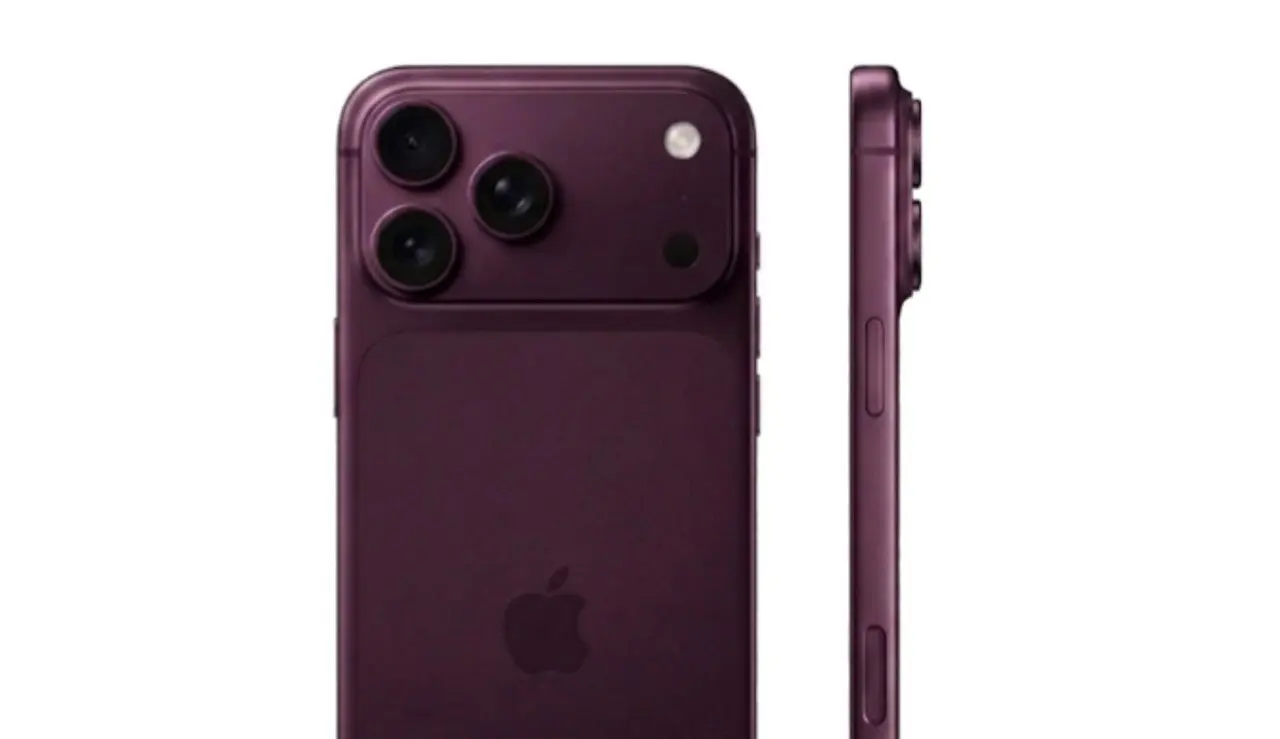
The optical set will be the big game changer, as the traditional format will house three lenses on the back, while the flexible edition will have just two. The major technological highlight of the most advanced variant will be the introduction of a variable aperture on the 48 megapixel main sensor, a feature never seen before on the brand’s cell phones. This mechanical innovation allows the lens diaphragm to physically adjust, contracting in high-light scenarios and expanding in dark environments, ensuring real control over depth of field and exposure without relying exclusively on software tricks.
The optical zoom capability will continue to be a privilege of the classic design, which will inherit the 48-megapixel telephoto lens with eight times zoom introduced in the previous generation. This fundamental piece for distance photography had to be removed from the foldable cell phone design due to the lack of internal space in the articulated chassis. Leaked documents about the manufacturer’s long-term plans even mention an even more robust primary sensor, going from 1/1.28 to 1/1.12 inches, but analysts point out that this specific evolution will not be ready for the September event.
The engineering of the device that folds in half required severe compromises in the image capture department. Although the presence of two 48-megapixel sensors guarantees extremely high-quality photographs for everyday use, the absence of a dedicated camera for long-range zoom directly reflects the physical limitations imposed by the screen’s complex articulation mechanism.
- Advanced conventional model: triple capture system, adjustable diaphragm and exclusive zoom lens.
- Flexible screen device: dual photography module, no advanced optical zoom capability and optimized structure.
- Practical advantage: clear superiority of the traditional format in night photos and capturing distant objects.
Energy capacity and time of use raise doubts about the flexible device
In terms of autonomy, the giant screen version of the traditional format promises to impress with an energy tank ranging between 5,100 and 5,200 mAh, working together with LTPO+ panels that drastically reduce energy expenditure during navigation. These specifications were corroborated by informants with a history of success in the supply industry. On the other hand, the smaller edition of the classic device has not yet had details leaked about a physical increase in the battery, depending primarily on the efficiency of the new 2 nanometer processor to extend the time away from the socket.
More on this story: How the iPhone 18 Pro could dominate sales against Apple’s new foldable model
The energy landscape of the articulated device remains shrouded in mystery and concern. Powering a 7.8-inch internal display requires considerably more charging than the 6.9-inch panels found on larger versions of the Classic line. Furthermore, the complex central hinge occupies precious volume that could be used for larger power cells, resulting in a chassis 11 millimeters thick when closed, whose actual battery capacity remains unknown. Experts warn that a fair comparison of autonomy should not be made with the basic model, but rather with the larger variant, where the foldable cell phone will probably be at a disadvantage.
See Also

Pokémon Go users report massive failures with login and connection to the game server

Instability in the Nubank application affects customers and service is normalized in a few hours

Tsitsipas overcomes initial challenge in Cincinnati and prepares for duel against Aliassime
Consumers who put battery life at the top of their priorities already have a clear path forward. The large variant of the traditional design emerges as the only option with technical guarantees and leaked data that prove a real leap in continuous use time.
Full coverage: Latest News (EN)
Structural challenges accompany the debut of the brand’s first articulated smartphone
Entering the flexible display market brings inherent challenges that even the most advanced laboratories cannot fully mitigate before reaching stores. Issues such as the resistance of the central mechanism over the years, the visibility of the screen crease after thousands of openings, the adaptation of the operating system to display transitions and the vulnerability to accidental impacts are risk factors for first-time buyers. The manufacturer will allocate massive resources to try to eliminate the fold mark that haunts competitors in the Android ecosystem, such as Samsung’s Galaxy Z Fold line, however, the financial investment does not guarantee a definitive resolution of the physical problem.
The design obstacles are already manifested in notable absences, such as the impossibility of integrating the MagSafe magnetic charging system into the articulated chassis due to a pure lack of internal space. With its 11 millimeters thickness in retracted mode, the device will be substantially more robust than its shelf brothers. On the other hand, the classic high-end version will maintain almost identical proportions to its direct predecessor, growing a tiny 0.36 millimeters in height and 0.39 millimeters in width, guaranteeing full compatibility with magnetic accessories, perfectly polished software and a photographic module free of experimental surprises.
Learn more: Unreleased details reveal Apple’s foldable cell phone and new look in 2027
How to decide which of the new smartphones best suits your usage profile
Users focused on getting the most out of mobile photography will find the traditional format to be the definitive tool. The implementation of the adjustable diaphragm represents a hardware leap that has been tested in the production chain for months, adding to the exclusivity of the optical approximation lens. For those who need full days of intense use, the enlarged screen edition of the classic design delivers the security of a battery greater than 5,100 mAh, combined with the intelligent management of the LTPO+ panel and the advanced lithography of the new processor.
Enthusiasts attracted by the innovation of the folding screen need to evaluate the purchase with caution. Unless the 7.8-inch viewing area is absolutely indispensable for specific professional tasks, skipping the first generation and waiting for the project to mature seems to be the most sensible decision. The absence of magnetic charging, the downgrade in the camera system and uncertainties about the screen’s useful life weigh against the unprecedented launch. Ultimately, the conventional line represents a safe and predictable investment, while investing in the flexible model requires a considerable amount of trust in the company’s engineering.