

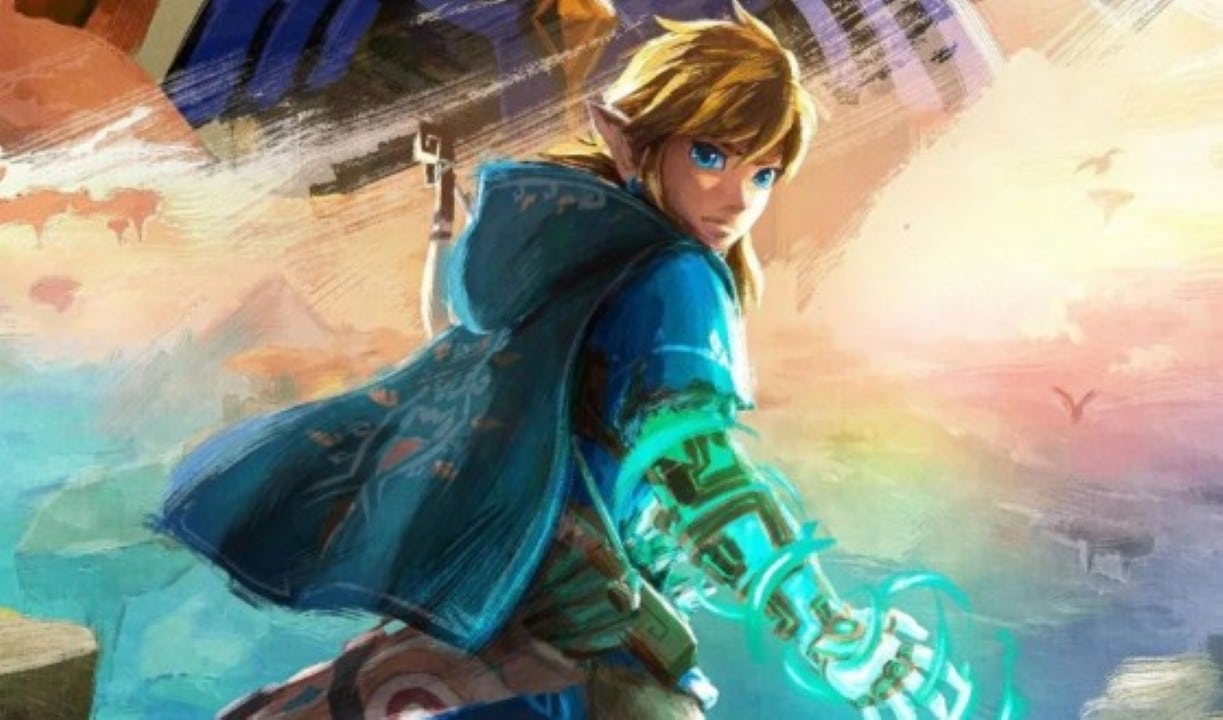
The Japanese electronic entertainment giant, Nintendo, has made the arrival of its next video game platform official, maintaining the philosophy of a device that works both on television and in a portable form. To drive immediate adoption of the system, the company confirmed the development of a total recreation of the classic The Legend of Zelda: Ocarina of Time. The definitive look of the equipment was kept under absolute secrecy until the last moment, ending a long cycle of speculation in the market. Technology experts are already praising the device’s architecture, which promises to deliver a significant leap in processing power without abandoning compatibility with the previous catalog.
Behind the scenes, the company’s commercial operations division carried out a profound overhaul of its global supply chain. The main objective of this maneuver is to avoid a shortage of products on the shelves, a recurring problem in the first months of life of previous hardware. Large retail chains in the United States have already begun receiving logistical guidelines, while partner factories in Asia operate at an accelerated pace to guarantee the necessary volume. Financial analysts are watching the movement carefully, projecting that the success of this strategy will dictate the pace of electronics commerce over the coming semesters.
https://twitter.com/DiscussingFilm/status/2037549510356836588?ref_src=twsrc%5Etfw
More on this story: Supposed photos reveal Nintendo Switch 2 design for Zelda’s birthday
Unprecedented specifications and operation of the equipment on television
The initial model of the device will reach consumers equipped with an eight-inch LCD panel. This engineering decision aims to keep the launch price at an affordable level for the general public, contradicting rumors that pointed to the immediate use of more expensive screens. Despite not using OLED technology at this point — a variant that is ruled out for the near future — the display presents significant improvements in touch response and energy efficiency. The internal battery was resized to support long gaming days away from the socket. In terms of external design, the manufacturer chose to preserve the ergonomics already known to users, facilitating the transition to the new generation.
The heart of the system is powered by a custom processor based on the ARM architecture, specifically designed to handle high-graphically demanding titles. The big news is the integration with Nvidia’s DLSS technology, which uses artificial intelligence to improve the resolution of images in real time. When the user connects the device to the television base, the hardware increases its processing capacity to deliver graphics in native 4K, guaranteeing fluidity of 60 frames per second even in the most complex scenarios. In addition to running last generation games perfectly, the new solid state storage reduces loading times to almost zero. Internal cooling is guaranteed by a copper heatsink combined with an extremely silent ventilation system.
The return of a historic video game milestone with modern graphics
The big draw for the console’s debut is the reimagining of the title originally released in 1998 for the NINTENDO64, a work that laid the foundations for three-dimensional adventures. Instead of just updating the look, the developers ditched the old polygonal models and rebuilt the kingdom of Hyrule from scratch using a state-of-the-art graphics engine. This strategy of rescuing important intellectual property mirrors the company’s successful moves in past transitions, ensuring that the fan base invests in the new hardware on day one and leverages initial revenue. Iconic locations, such as Death Mountain and Kokiri Forest, have gained gigantic proportions and an impressive level of detail. The physics of objects have also been rewritten, allowing interaction with the environment to occur in a completely realistic way.
Combat mechanics have undergone complete modernization to align with current gaming industry standards. The automatic aiming system and camera movement have been refined, offering much greater precision during confrontations. Inventory management, which previously required constant pauses in the action, now allows you to quickly swap items and weapons in real time. Exploration of the scenario has become more fluid, while the enemies’ artificial intelligence has been reprogrammed to present new attack and defense tactics.
Learn more: Nintendo’s new generation should debut with classic Zelda-themed edition
- The refresh rate set at 60 frames per second guarantees visual stability on both the portable screen and the monitor.
- The cycle of time passing presents dynamic lighting, casting shadows that change according to the position of the sun.
- An unprecedented fast travel system was introduced to make it easier for the player to move around the expanded map.
The soundtrack, previously limited to MIDI format, was entirely recorded by an orchestra, elevating the dramatic charge of the journey. The audio effects have also undergone an overhaul, accurately reflecting the sound of footsteps and the clash of swords on different types of surfaces. To ensure that the essence of the original work was respected, Nintendo called on veteran directors from the 1998 project to oversee each stage of the recreation. The inclusion of voice acting for the characters adds a new layer of depth to the classic narrative. The user interface was designed in a minimalist way, delivering essential information without polluting the player’s vision.
Manufacturing planning to prevent empty shelves at launch
The manufacturer’s biggest challenge at the moment is ensuring that there will be enough units to meet global demand. Months before the official announcement, the company anticipated and made massive purchases of memory chips and semiconductors. This aggressive maneuver serves as a shield against economic fluctuations and international crises that often affect the supply of technological components. To handle the production volume, logistical warehouses were rented close to the Asian assembly lines, creating a rapid manufacturing cycle. Exclusive contracts with suppliers ensure that the company has absolute priority in receiving essential materials.
The finished devices will be shipped via priority sea and air transport routes. Logistics planning establishes direct shipments to strategic ports in Europe, North America and Latin America, allowing supplies to occur simultaneously in the main regions of the planet. This unified flow is essential to curb parallel imports and keep prices stabilized in official retail. Dedicated inspectors monitor factories to prevent leaks of images or technical specifications. Furthermore, all packaging uses recyclable materials, strictly complying with the new environmental legislation scheduled for the year 2026.
Strict contracts and expectations from the international retail sector
The largest retail chains in the world had to sign extremely strict confidentiality agreements with the Japanese manufacturer to guarantee receipt of the first batches. The legal documents provide for fines in the millions of dollars if any retailer breaks the embargo or releases promotional materials before the stipulated date. With transportation infrastructure in place and global inventories in the process of filling, the digital entertainment industry is waiting to see how the arrival of this new hardware will shape consumer behavior in the next generation of consoles.