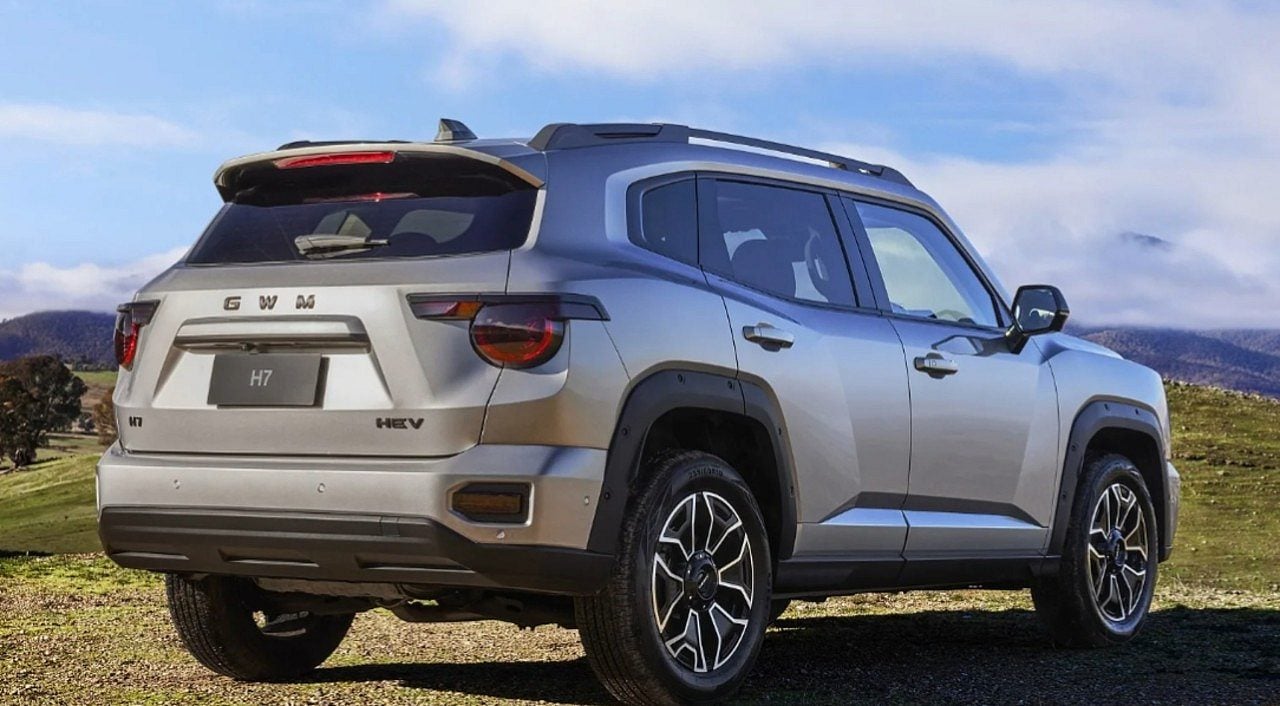
The national automotive industry is preparing the ground for a profound reconfiguration in the sports utility vehicle segment with the arrival of the Haval H7, scheduled for the year 2026. Asian manufacturer GWM confirmed the introduction of this plug-in hybrid utility vehicle, seeking to attract consumers who currently opt for established vehicles from traditional brands. The movement occurs at a time of strong expansion of electrified cars in the country, driven by heavy local investments, including the future activation of the automaker’s own factory in Iracemápolis, in the interior of São Paulo. This commercial offensive aims to transform the company’s perception, leaving the stigma of being a supplier of purely economic alternatives to acting as a high-tech competitor.
The arrival of this new product forces an immediate response from the automotive groups that have dominated Brazilian streets for decades. Models renowned by the public, such as the Toyota Corolla Cross, the Jeep Compass and the Volkswagen Taos, now face an opponent who proposes a paradigm shift in the relationship between cost and benefit. The Chinese brand’s central strategy consists of delivering an equipment package worthy of higher categories, charging prices that speak directly to the upper middle class. This tactic redefines the expectations of drivers, who begin to demand more innovation and energy efficiency in their next purchases.
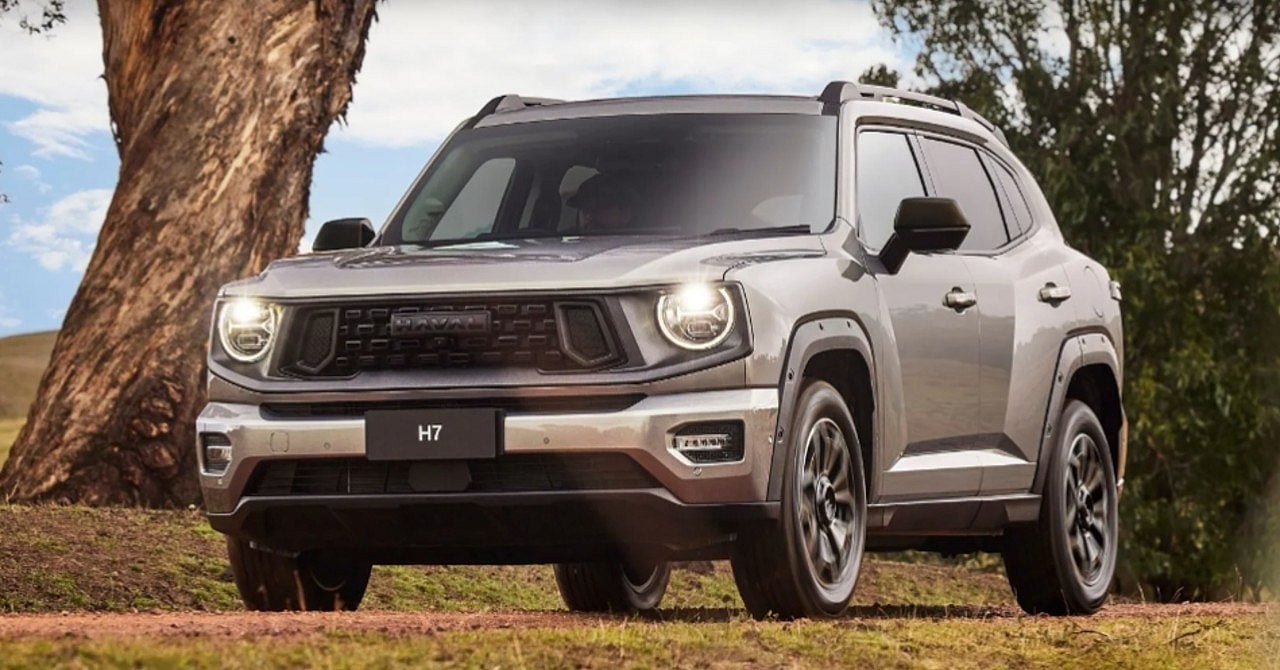
Strategy of broad measures and aggressive values to attract families
The size of the new vehicle is impressive at the first visual contact, measuring approximately 4.8 meters in length from tip to tip. The luggage compartment follows this proposal focused on family comfort, guaranteeing space for around 586 liters of payload. Such physical characteristics place the launch at a clearly higher level than its smaller brother, the Haval H6, creating a natural consumption ladder within the company’s own dealerships. The customer has the option to upgrade categories without having to change manufacturers.
The billing label in stores must register figures below the R$300,000 mark, a position calculated to the millimeter by the sales department. This financial decision targets exactly the gap between mid-sized combustion cars and electric vehicles from luxury brands. Consumers who previously evaluated conventional utility vehicles now find an alternative that delivers superior dimensions for a very narrow financial difference. The familiar proposal combined with the robust look creates a strong visual appeal against rivals that rely solely on the reliability of their emblems.
Electrified motorization guarantees a numerical advantage against the competition
The heart of the project lies in the union of a turbocharged 1.5-liter combustion engine with a high-capacity electrical system, forming a hybrid set that can be plugged into a socket. The final calibration of this engineering generates a combined force that fluctuates between 326 horsepower and 364 horsepower, depending on the specific configuration adopted for the national market. This volume of power directly eclipses the numbers presented by direct rivals, such as the BYD Song Plus and the Jaecoo 7, delivering much more agile responses to the accelerator pedal in any traffic situation.
The plug-in format allows batteries to be charged from domestic networks or charging stations, ensuring that owners travel dozens of kilometers a day using only clean energy. During long trips or road trips, the fuel tank automatically kicks in to eliminate any range anxiety. This dual mechanical personality solves the main dilemma of Brazilian drivers, who seek extreme economy in heavy urban traffic and full strength for safe overtaking on single-lane highways.
Laser mapping sensors raise the bar for road safety
The utility’s interior environment concentrates controls on a generous 14.7-inch central monitor, while vital driving data appears on a 10.2-inch digital display positioned behind the steering wheel. The great engineering leap, however, goes by the name of LiDAR, a remote sensing equipment that uses pulses of light to map the environment in three dimensions with millimeter precision. This is a common technology in ultra-luxury automakers, such as Volvo and Mercedes-Benz, which is now moving into a more accessible market range, allowing advanced semi-autonomous driving functions.
- 14.7-inch main monitor for full control of the entertainment and climate system
- 10.2-inch digital instrument cluster focused on energy management and range
- Ceiling-mounted LiDAR radar system for three-dimensional reading of surrounding traffic and obstacles
- 360-degree peripheral vision cameras integrated with automatic emergency braking and adaptive control
The presence of this electronic package changes the standard of demand for buyers of sports utility vehicles in Brazil. Models that previously topped the sales charts based solely on their durability history now need to justify the absence of such sophisticated driving assistants. Consumers begin to question the reason for paying similar amounts for cars that offer fewer active protection features for occupants, forcing competitors to accelerate the updating of their own catalogs.
Chain reaction affects traditional manufacturers and new Asian brands
The introduction of this product generates shock waves on different fronts of national automotive retail, affecting everything from Western automakers to Eastern rivals. Companies established for decades in Brazil now face an opponent that charges a competitive price for a much more powerful and technological hybrid set. At the same time, Asian compatriots who were betting on cost-benefit need to review their marketing strategies, as GWM’s new utility delivers an equipment package that makes the competition for electrified customers much more fierce.
The structuring of the manufacturer’s portfolio takes on definitive contours with this addition of weight to the market. The customer enters the store attracted by the entry options, but finds a clear path to vehicle upgrades as their purchasing power and family size increase. The focus on large electrified products reflects the correct understanding that Brazilian drivers have definitively adopted the energy transition, consolidating the brand’s presence in the national territory in a lasting and structured way.