Apple’s new line of cell phones features a 200 MP lens and long-awaited debut in the foldable market
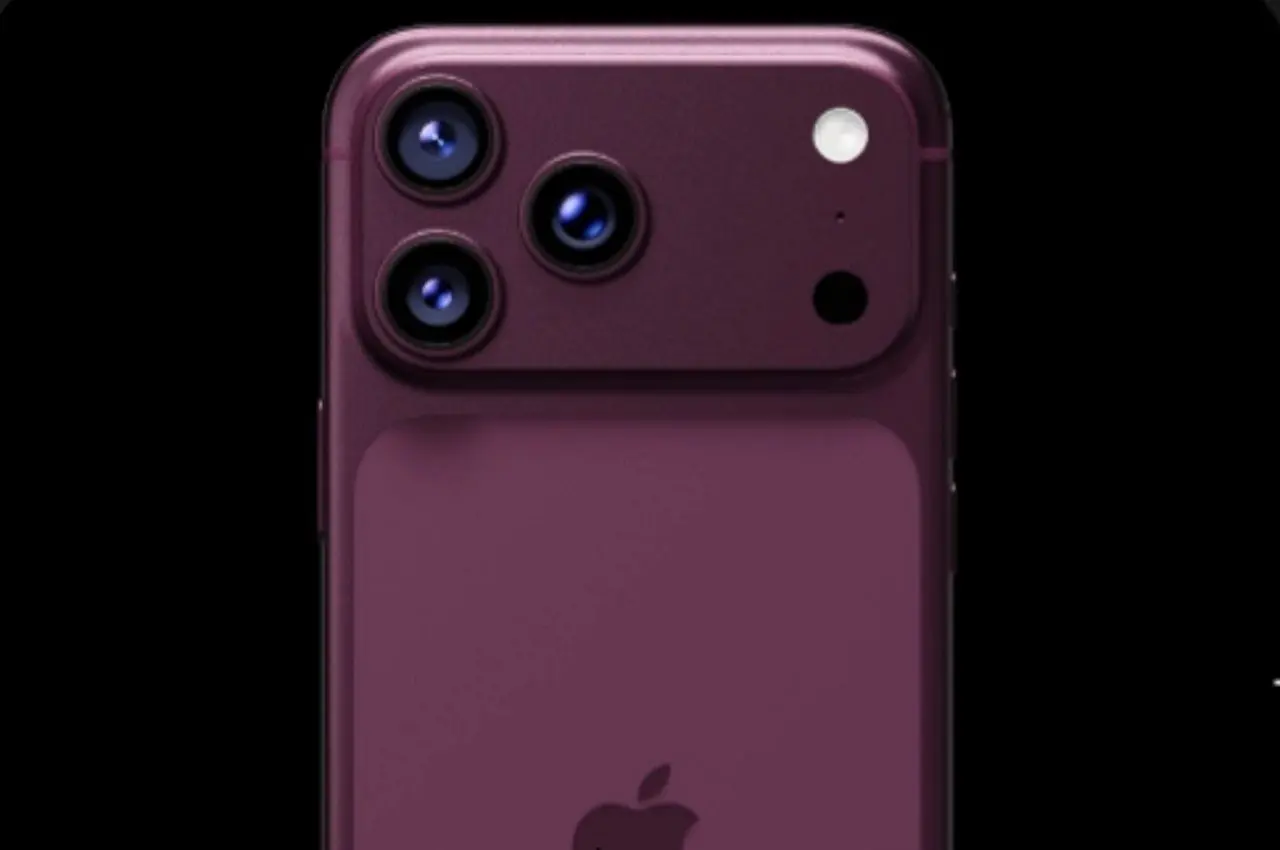
The technology giant Apple revealed its latest family of mobile devices to the world, highlighting the arrival of the powerful iPhone 18 Pro Max. The device draws attention for incorporating a 200 megapixel photographic sensor and an unprecedented light control mechanism in the lens. During the same event, the company officially entered the coveted flexible screen sector with the unprecedented iPhone Fold, marking a historic change in its product portfolio. Consumers will be able to purchase the new products from September 2026, paying prices starting at US$899 for the entry-level version and reaching US$1,199 for the most advanced edition.
Advances in lenses put new cell phones at the level of professional cameras
The changes implemented in the image capture structure of the more expensive model represent a significant leap forward for content creators. The manufacturer integrated a 1/1.12 inch component, which is the largest ever used in the brand’s history, guaranteeing unprecedented light absorption. In practice, this hardware change drastically reduces grain in night photos, delivering sharp results even when the ambient lighting is almost zero.
On the same topic: Smartphone launches at the end of 2026 rely on flexible screens and advanced chips
The great technological difference of this generation lies in the physical adjustment of the diaphragm, a feature that allows the user to control the entry of light even before recording the scene. Unlike artificial blurs created by algorithms, this mechanical system generates a real depth of field, responding to a long-standing request from photographers who depend on the practicality of their cell phones. To complete the optical set, the ultra-high-resolution periscopic lens guarantees powerful zoom without sacrificing image details.
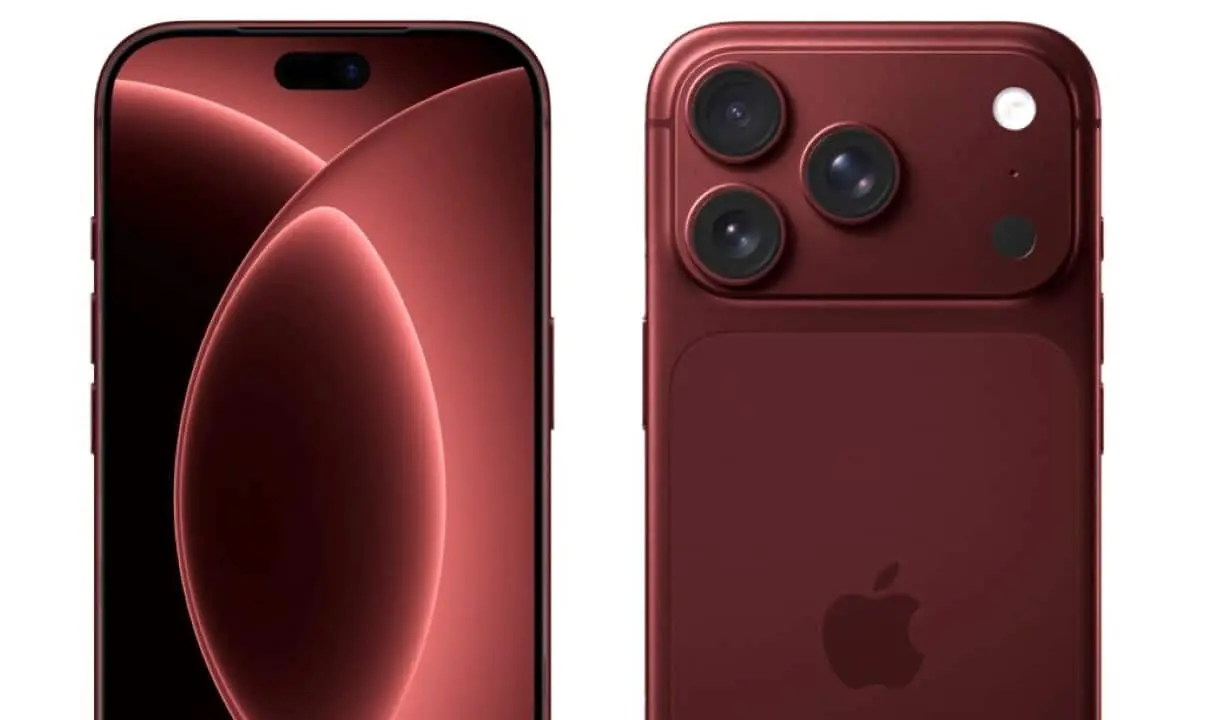
The traditional Pro version comes equipped with three robust rear sensors, designed for everyday versatility. The set includes a main camera and a wide-angle lens, both with 48 megapixels, as well as a 64 megapixel periscopic component for approximations. The two devices in the premium line now support recording in impressive 8K at 60 frames per second, using intelligent processing that adjusts the colors and clarity of the scene continuously during filming.
Superior energy performance driven by new generation of chips
The brain behind all this processing is the unprecedented A20 Pro chip, built on the complex two-nanometer architecture, a milestone in the global semiconductor industry that guarantees extreme speed without overheating. This efficiency is directly reflected in usage time, providing up to 26 hours of screen time without the need for recharging. The Max edition houses a 5,200 mAh energy tank, while the smaller variant has 4,300 mAh, both supporting an emergency mode that cuts out superfluous resources and keeps the phone operational for up to three days.
The visual experience is thanks to OLED panels supplied by South Korean Samsung, using advanced M16 material technology. The larger variant’s display has grown to 6.9 inches, while the mid-range model offers 6.3 inches of usable area. The frame update system remains intelligent, varying up to 120 Hz depending on the movement on the screen, which helps save charge when reading static texts. Furthermore, the upper cutout that houses the facial sensors, known as Dynamic Island, was reduced, expanding the space for viewing system alerts.
See Also

MacBook Air notebook with M4 chip and 16 GB reaches lower retail price

New Xbox Game Pass structure brings three plans and consolidates streaming in Brazil
New iPhone 18 line brings 200 MP lens and debuts long-awaited foldable cell phone from Apple
More on this story: Apple prepares iPhone 18 Pro for 2026 with invisible camera and retro look
- 12 GB of volatile memory capacity to keep dozens of applications open simultaneously.
- Space to store files that can reach 2 TB in the most expensive configurations.
- The brand’s exclusive C2 network component to improve telephone signal reception.
- Factory support for the latest wireless connections, including Wi-Fi 7 and Bluetooth 6.
- Improved satellite communication for sending texts in regions without antenna coverage.
The manufacturer’s first foldable model promises to redefine media consumption
The company’s long-awaited debut in the segment of folding devices finally happened, intensifying competition with other Asian giants that have already dominated this niche for a few years. The equipment adopts the format of a book, featuring a 5.5-inch external display perfect for quick interactions and message responses. When unfolded, the user is faced with a 7.8-inch internal panel, transforming the cell phone into a portable workstation ideal for spreadsheets, immersive reading and videos.
One of the biggest focuses of the engineering team was the folding mechanism, meticulously designed to almost eliminate the central crease that often bothers owners of competing devices. To optimize usability with the device closed, the Touch ID fingerprint reader has been relocated to the side power button. Inside, the machine doesn’t skimp on power, inheriting the A20 Pro chip, 12 GB of RAM and the very high-resolution main camera from its conventional brothers, justifying the estimated price of US$2,000 aimed at new technology enthusiasts.
Updated operating system puts smart tools at the center of the experience
The entire new fleet of cell phones will come out of the box running the iOS 27 system, a platform built from scratch to embrace the capabilities of modern artificial intelligence. The native voice assistant has undergone a profound redesign, becoming capable of understanding nuanced requests and remembering what was said minutes before in the same conversation. The software is now allowed to analyze information spread across different user applications, executing complex routines completely autonomously.
Learn more: Apple prepares launch of foldable cell phone and redesigns the look of the premium line
The phone’s image manager has also become smarter, suggesting better framing and erasing unwanted people or objects from the background of photos with a simple tap. When typing, the keyboard learns the owner’s slang and rhythm, formulating entire responses based on the context of the chat. To guarantee privacy, the manufacturer ensures that all this neural processing takes place physically inside the processor, without personal data having to travel to external servers on the internet.
New color options and pricing strategy for different consumer profiles
The gateway to this new ecosystem will cost US$899, the amount charged for the most basic version which, for the first time, inherits the ProMotion technology for super fluid screen scrolling, previously exclusive to the more expensive lines. The external appearance has been refined and the color palette surprises by abandoning the classic black tone, now offering options in dark cherry, light blue, dark gray and silver. With the Pro version starting at US$1,099 due to the high cost of the new lenses, the brand consolidates a clear division: entry-level devices for everyday life, robust equipment for audiovisual professionals and a flexible format for those seeking cutting-edge technology.