Sony ends sales of the digital PS5 in Japan and focuses only on physical media
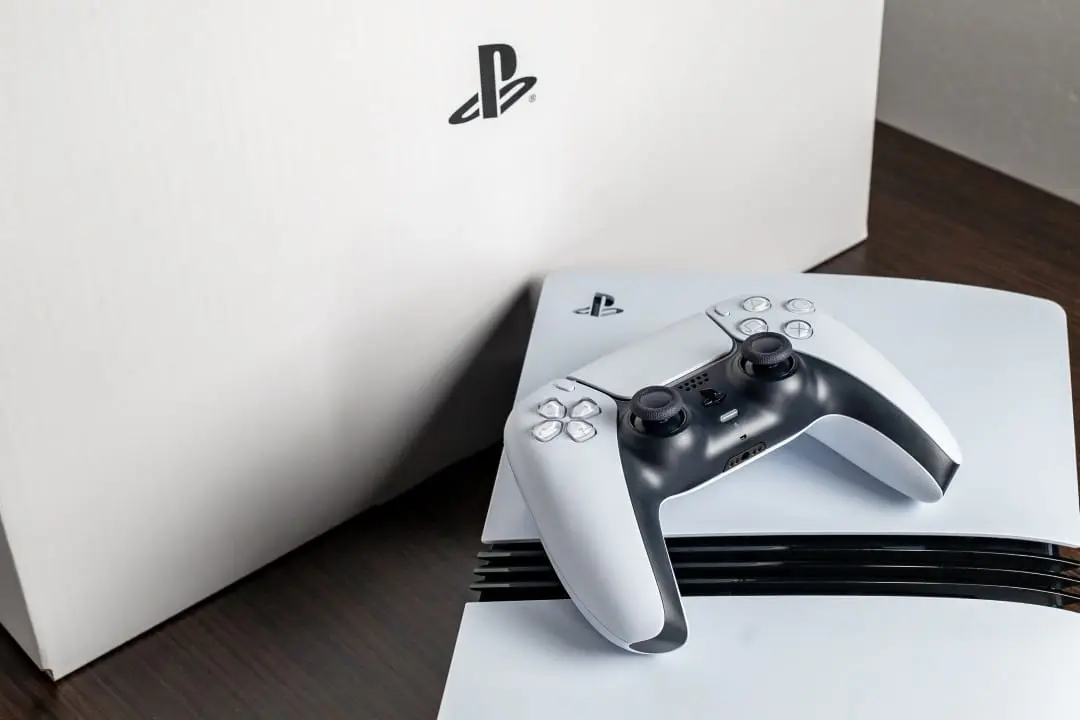
Sony Interactive Entertainment made a drastic decision for its domestic market by confirming the end of production of the exclusively digital version of the PlayStation 5 in Japanese territory. From now on, shelves in the Asian country will only receive the edition equipped with the Ultra HD Blu-ray player. This commercial maneuver reflects the local public’s strong preference for discs and cartridges, in addition to seeking direct optimization in the console’s assembly lines and internal distribution.
The movement highlights how the Japanese manufacturer understands the particularities of its own backyard. While gamers in North America and Europe quickly flock to virtual libraries, Japan sustains vigorous demand for tangible copies of video games. Upon recognizing this scenario, the technology giant chose to standardize its national offer, eliminating consumer doubts at the time of purchase and facilitating stock control both for the company itself and for retail chains.
Main features of the standard model that will dominate Japanese stores
The so-called PlayStation 5 Slim becomes the only viable alternative for those who want to purchase the device in stores in Japan. This reformulated hardware features a considerably lighter chassis and an improved internal cooling system compared to the robust first version launched in 2020. Another important attraction is the storage, which jumped from the old 825 GB to a 1 TB SSD, ensuring more space for installing heavy games and entertainment applications.
Within this new commercial policy, the disc player becomes a fixed and inseparable part of the main body of the video game sold in the country. To balance the delivery of cutting-edge technology with the economic realities of the Asian public, the official list price was set at 66,980 yen. This value, according to market analysts, reinforces the cost-benefit proposal of the brand’s ecosystem, delivering a complete machine right out of the box.
More on this story: Sony ends sales of the digital PlayStation 5 in Japan and focuses on physical media
How hardware unification reduces operating costs for the manufacturer
Concentrating all assembly efforts on a single type of device generates immediate financial advantages for the corporation. By working with just one product identification code (SKU), the production line gains speed, maintenance costs for different machinery drop drastically and global transportation becomes less complex. This logistical centralization allows the company to predict sales volume with greater accuracy and react quickly to any sudden fluctuation in the economy.
Commercial establishment owners also celebrate the simplification of their portfolio. Dealing with just one PlayStation 5 format relieves pressure on back-of-store stocks and makes it easier to create advertising campaigns at points of sale. The direct approach with the customer becomes more transparent, as salespeople no longer need to spend time explaining the limitations of a machine without a reader, which speeds up service and ensures that the right product is always available in the windows.
The strength of the collecting culture and the used market in the Asian country
The root of this change of route is deeply linked to the customs of Eastern players. Unlike the global digitalization trend, Japan has a historical and emotional relationship with game boxes, inserts and discs. Local consumers insist on having real ownership of the entertainment they purchase, valuing the art of the packaging and, above all, the right to resell the title after the main campaign ends.
See Also

MacBook Air notebook with M4 chip and 16 GB reaches lower retail price

New Xbox Game Pass structure brings three plans and consolidates streaming in Brazil
New iPhone 18 line brings 200 MP lens and debuts long-awaited foldable cell phone from Apple
- Giant chains of second-hand stores, such as the famous Book-Off, turn over millions daily by exchanging games.
- The habit of displaying shelves full of limited editions and exclusive covers is a strong trait of the local geek audience.
- Lending releases between groups of friends and co-workers continues to be a common social practice.
- The injection of money from the resale of a finished game usually finances the purchase of the next big release.
By ensuring that every unit sold in its territory of origin can read a disc, the company protects the wheels of this lucrative second-hand trade. The decision demonstrates notable respect for customs established decades ago in the Akihabara neighborhood and other commercial regions, avoiding the mistake of alienating a huge portion of fans who simply refuse to depend on online servers to access their favorite franchises.
What changes in practice for those who buy the video game from now on
The immediate impact for the end buyer is the end of the illusion of choosing between a cheaper version, focused on downloads, and the traditional edition. Anyone who enters an electronics store in Tokyo or Osaka will only find the box containing the console with the physical media slot. However, this does not block access to the virtual world, as users continue to have a free pass to browse the system’s official store, download digital promotions and subscribe to on-demand gaming services as normal.
Learn more: Sony changes strategy in Japan and starts offering free disc players on PS5
The great advantage of this obligation is the flexibility that the device provides in the long term. With the reading tray present, the owner of the equipment can search for promotions at second-hand fairs, borrow titles and avoid the prices listed in online stores, resulting in considerable savings over the years. Furthermore, the ability to play movies in very high resolution transforms the video game into a robust multimedia center for the living room, also pleasing the family’s movie buffs.
Regionalized strategy consolidates the brand’s leadership in its home territory
This exclusive route adjustment for the Japanese market illustrates the corporation’s maturity in not forcing a global rule down the throat of an audience with specific customs. While the rest of the world will continue to see both options on the shelves, domestic standardization focuses on extracting maximum profit and operational efficiency. This stance makes perfect sense when we observe that the current generation of consoles is already heading towards its second half of its life cycle, a time when cutting superfluous expenses becomes vital.
Delivering exactly what your most conservative audience demands is the final trick to maintaining absolute hegemony in the archipelago. Maintaining the optical reader also serves as a golden bridge to backwards compatibility, allowing millions of old PlayStation 4 owners to simply insert their old discs into the new machine. This way, they can revive classics from the past by taking advantage of automatic technical improvements, such as almost instantaneous loading and much more fluid frame rates.