
Leipzig University targets GPR133 receptor to rebuild bone
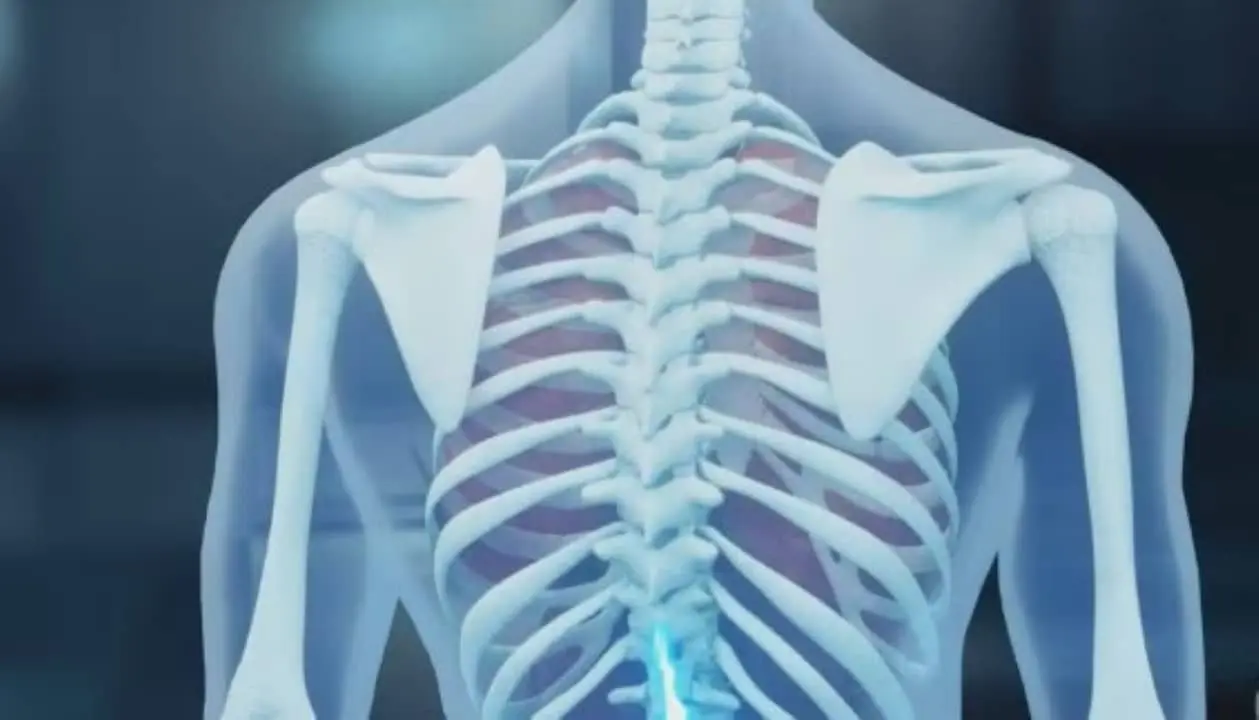
Researchers at Leipzig University in Germany identified the adhesion receptor GPR133 as a critical biological regulator capable of strengthening bone structure. The mechanism addresses osteoporosis, an ailment that degrades skeletal density and impacts approximately six million individuals in Germany, the majority of whom are women. Investigation published in 2025 demonstrated that stimulating this receptor counteracts premature bone deterioration.
Lead investigator Professor Ines Liebscher directed the experiments at the Rudolf Schönheimer Institute of Biochemistry within the Faculty of Medicine. Laboratory teams deployed the chemical compound AP503, isolated through computer-assisted screening, to activate cellular pathways inside test subjects.
Bones gained strength.
Learn more: Common daily habits weaken bones and increase the risk of fractures in millions of adults
Mechanisms governing cellular activity inside skeletal tissue
Inside bone tissue, GPR133 detects physical forces alongside mechanical contact among adjacent cellular units. Operating within bone tissue, GPR133 responds directly to physical mechanical forces and interactions occurring among neighboring skeletal cells, initiating internal signaling pathways that fundamentally shift activity away from destructive resorption and direct it toward structural renewal. Specialised cells known as osteoblasts generate fresh bone matrix during routine renewal cycles. In contrast, osteoclasts dismantle mature calcified material, creating an equilibrium that GPR133 actively tips in favor of bone formation.
- Osteoblasts receive biological cues to increase bone matrix synthesis.
- Osteoclasts decrease their dismantling of aged skeletal material.
- Mechanical stimulation triggers receptor-mediated cellular communication.
Mice with genetic alterations in GPR133 develop premature reductions in bone density that mirror human osteoporosis. Professor Ines Liebscher stated: “If this receptor is impaired by genetic changes, mice show signs of loss of bone density at an early age – similar to osteoporosis in humans. Using the substance AP503, which was only recently identified via a computer-assisted screen as a stimulator of GPR133, we were able to significantly increase bone strength in both healthy and osteoporotic mice.”
Experimental results achieved with the compound AP503
Treatment with AP503 mimicked natural mechanical signals that trigger the receptor under physiological conditions. The compound improved bone strength in healthy mice while reversing bone loss in subjects exhibiting osteoporosis-like degradation. Scientists positioned the compound as a therapeutic candidate for postmenopausal women who face rapid bone loss linked to falling hormone supplies.
The findings confirmed structural gains across fragile skeletal targets.
Effects observed across muscular and skeletal systems
An earlier assessment at Leipzig University established that stimulating GPR133 with AP503 also increases skeletal muscle power. Dr. Juliane Lehmann, lead author of the study and researcher at the Rudolf Schönheimer Institute of Biochemistry, detailed the broader clinical relevance for older populations facing simultaneous tissue degeneration. Dr. Juliane Lehmann explained: “The newly demonstrated parallel strengthening of bone once again highlights the great potential this receptor holds for medical applications in an aging population.”
On the same topic: Sedentary routine and poor nutrition weaken the bones of millions of adults
Skeletal muscle maintenance supports mobility and physical balance among aging demographics vulnerable to fractures. Co-authors including Hui Lin, Zihao Zhang, Maren Wiermann, and Albert M. Ricken participated in documenting these combined physiological outcomes.
Structural research programs focused on cell receptors in Germany
Investigators at the Leipzig facility continue testing whether the substance AP503 applies to different medical conditions. Ongoing projects investigate the wider distribution of GPR133 across other physiological tissues. For more than a decade, Leipzig University organized scientific inquiry into adhesion G protein-coupled receptors through Collaborative Research Center 1423. That specialized program analyzes the precise dynamics of structural activation and signaling pathways inside cells.
More news in Latest News (EN)
See more → Cosmic expansion slows down as study questions dark energy
 New Marvel’s Wolverine trailer showcases Portuguese dubbing
 Marvel’s Wolverine presents rapid battles with Jean Grey
 Marvel’s Wolverine posts 77 average Metacritic score on PS5
 GTA 6 Controller for PS5: Check Price, Release Date, and Where to Buy
 Donald Trump pledges $500 rebates to 1 million ACA enrolleesNYC lawmaker faces mounting pressure to avoid 9/11 commemoration amid controversy over past remarksAaron Rodgers desafia integridade da ESPN e expõe suposta omissão em cobertura de caso Vrabel-Russini
 Sony opens GTA 6 DualSense PS5 controller sales at $84.99Podcast community mobilizes fans to reinstate controversial ‘Gator Bait’ chant for Florida Gators football
 PlayStation reveals Grand Theft Auto VI controllers for PS5
 Divorce deepened Nicole Kidman’s emptiness during 2003 Oscar
More news on Mix Vale
- 1Kidman endured deep personal void after 2003 Oscar victory
- 2Walmart recalls 4 household items across multiple states
- 3Fossil of 20-meter dinosaur found at rail terminal in Brazil
- 4Voters promised $5,000 cash dividend if Republicans win Congress
- 5High-profile Tate brothers denied bail in Florida, face UK extradition on serious charges
- 6Liberal MP Hastie’s reluctant Ben Roberts-Smith defamation testimony ignites One Nation criticism
- 7Intact Chimu royal burial site unearthed in Peru’s desert offers unparalleled historical insights
- 8Foundation honors 9/11 hero, provides over 1,700 mortgage-free homes, combats national tragedy being forgotten
- 9Country star Riley Green details fan-first approach to crafting hit concert setlists and new music
- 10Volunteer firehouse president details how local training shaped 9/11 hero Welles Crowther’s selfless actions