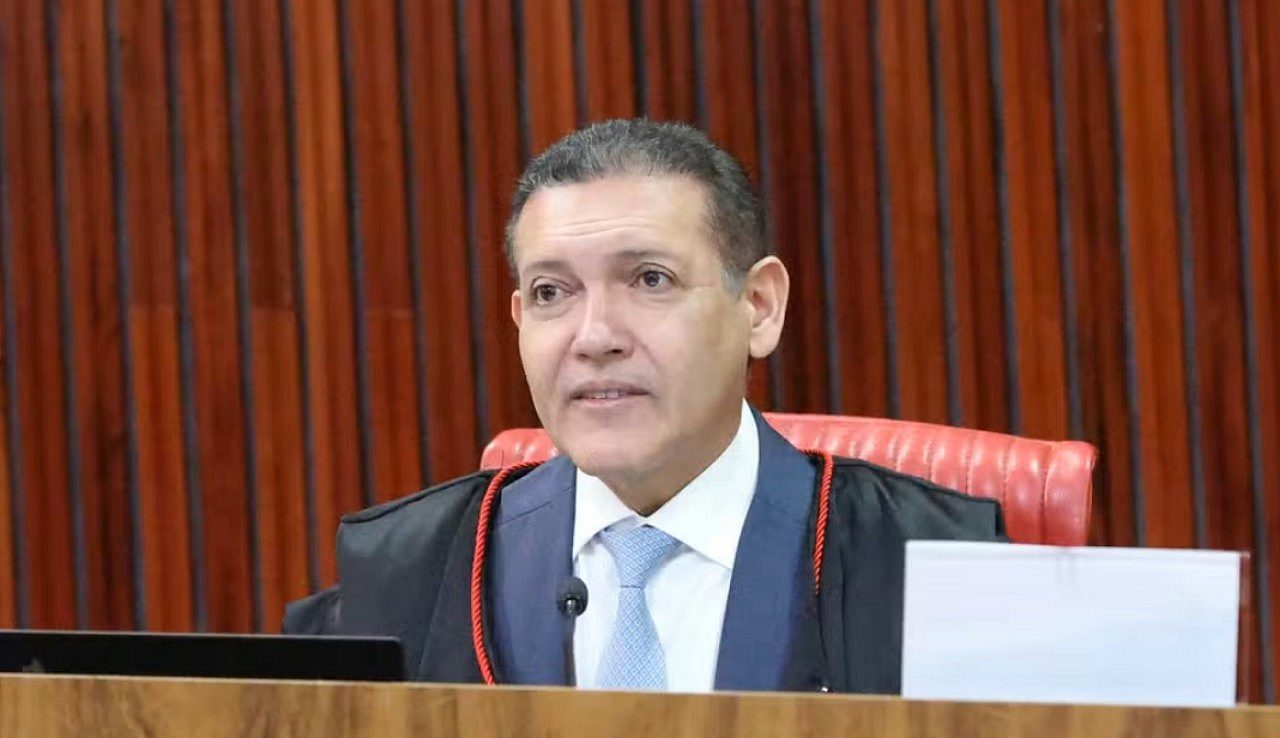
Kassio Nunes Marques plans plenary vote on Jair Bolsonaro release petition
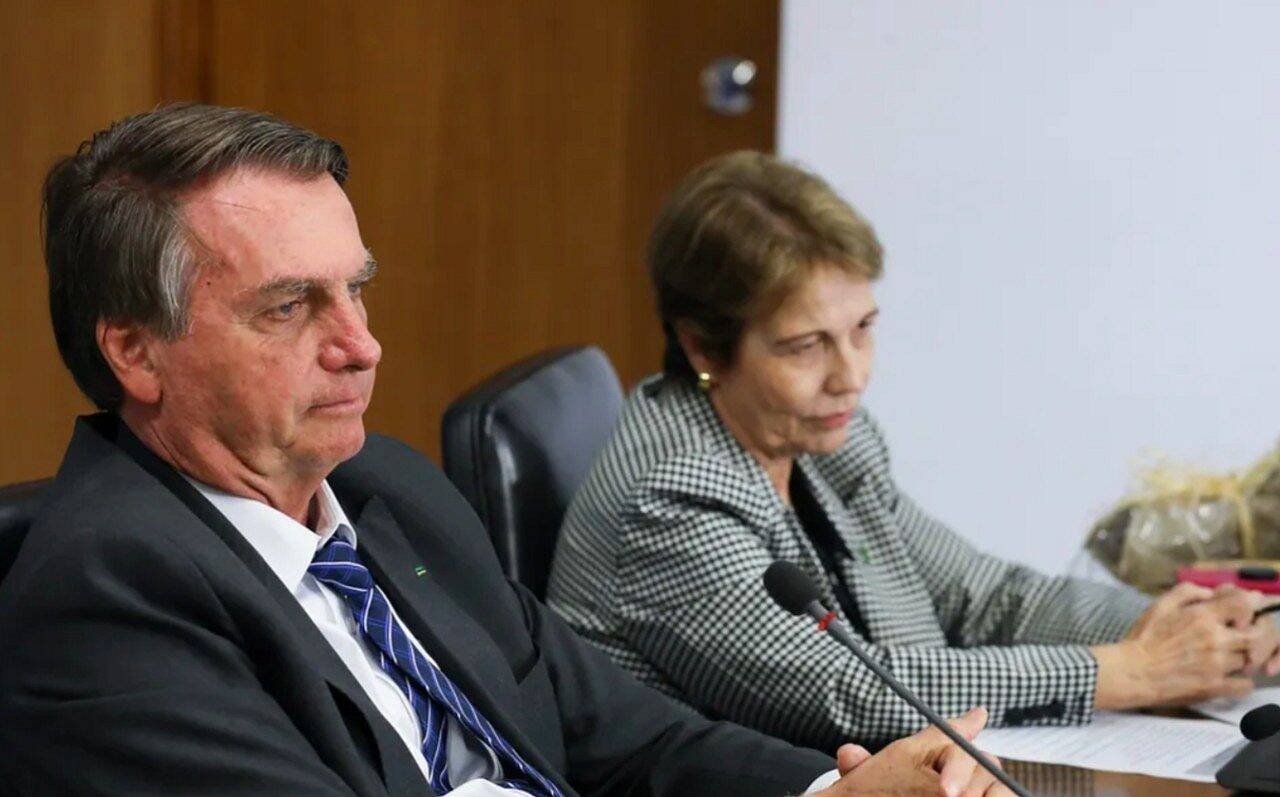
Deliberations regarding the criminal review and provisional freedom of former Brazilian president Jair Bolsonaro are expected to move forward immediately following the conclusion of the 2026 nationwide runoff elections. Supreme Court Justice Kassio Nunes Marques is preparing to bring the matter before the full judicial bench regardless of the political outcome produced at the ballot boxes, having deliberately refrained from issuing individual procedural rulings throughout the active campaign window.
Operating simultaneously as the head of the Superior Electoral Court, the justice indicated to institutional contacts in Brasilia that he withheld emergency orders to prevent judicial proceedings from being leveraged politically or being perceived as electoral interference. Internal assessments within his chambers indicate that referring the case directly to all eleven members of the court remains the preferred procedural course, even though granting an individual preliminary injunction remains an available legal prerogative of the reporting judge.
In conversations with close aides, the magistrate noted what he regarded as procedural overreach during the initial criminal inquiry led by Justice Alexandre de Moraes, who directed the investigations into the alleged coup plot. The clear intent communicated among judicial staff is to unlock the frozen appeal process as soon as voters across the country have cast their final ballots in the general election.
Full judicial bench prepared to examine appeal against criminal conviction
Statutory guidelines governing criminal reviews require that substantive determinations take place before the full plenary bench of the Federal Supreme Court, the collegiate body encompassing every sitting justice. While individual reporting judges hold the authority to issue emergency interim relief, conversations within the tribunal indicate that Nunes Marques favors a collective ruling to establish broader institutional stability concerning the legal custody of the former head of state.
The former president currently remains confined under house arrest enforced by an electronic monitoring bracelet. His legal team aims to secure complete provisional release while petitioning the court to overturn the collegiate verdict that established his penal sanction. The conscious strategy to withhold rulings until the end of the presidential race was structured specifically to insulate the judicial branch from the intense partisan contest dominating executive succession.
Even if the reporting judge concludes his legal opinion immediately after the second-round vote, formal authority to place the matter on the official docket rests entirely with Chief Justice Luiz Edson Fachin. At present, court administrators have not scheduled any specific date for oral arguments or electronic deliberation before the full tribunal.
Read also: Flávio Bolsonaro campaign plans to limit television debates against Lula ahead of runoff
First Panel division set stage for broader review across all eleven justices
The conviction targeted by the petition was handed down by the First Panel of the Federal Supreme Court in a 4 to 1 decision linked to the criminal prosecution investigating the alleged coup plot and related anti-democratic offenses. In that proceeding, Justices Alexandre de Moraes, Cristiano Zanin, Carmen Lucia, and Flavio Dino voted to convict, whereas Justice Luiz Fux cast the lone dissenting vote in favor of a full acquittal.
Five members of the tribunal were absent from the original trial because of assignments to the Second Panel or administrative duties in the court presidency, including Andre Mendonca, Gilmar Mendes, Dias Toffoli, Chief Justice Edson Fachin, and Nunes Marques himself. All five magistrates will hold voting seats when the case reaches the expanded plenary assembly, substantially shifting the collegiate dynamic that approved the primary conviction.
Regarding the length of the sentence handed down against the former chief executive, official judicial documentation records a prison term of 27 years and 3 months, though conflicting historical press accounts reported a term of 23 years. Defense lawyers argue that maintaining restrictive home custody remains unjustified given what they describe as foundational procedural defects during the trial phase.
Defense submission challenges extraction methods used on digital evidence
The newly filed 80-page legal brief submitted to the tribunal lists Senator Flavio Nantes Bolsonaro as one of its primary signatories, with the lawmaker acting as his father’s licensed legal counsel while concurrently campaigning for the presidency in the 2026 runoff. The petition asserts that investigators compromised the chain of custody during electronic data extraction and claims procedural constraints hindered fundamental defense rights during the investigative phase led by Alexandre de Moraes.
Keep reading: Flávio Bolsonaro seeks presidency with ballot number 22 as election tallies begin
To substantiate the demand for a criminal review, the defense incorporated arguments raised during a Supreme Court plenary debate held on September 15, 2026. During that session, justices examined structural guidelines regarding reasonable time allocations for defense teams to conduct independent forensic examinations of digital material in inquiries involving Banco Master. The legal filing contends that identical evidentiary safeguards should have been extended to the technical exhibits assembled in the coup investigation.
The formal submission followed internal friction among the former president’s legal advisors. On September 24, 2026, defense counsel registered an emergency release petition with the court but withdrew the filing only hours later due to strategic disputes regarding the most effective procedural path.
Sequence of procedural filings leading to upcoming plenary review
- May 2026: Defense attorneys lodge initial criminal review request, which sits in chambers without preliminary action.
- September 15, 2026: Full Supreme Court conducts institutional debate over forensic verification standards and custody of electronic records.
- September 24, 2026: Legal team submits emergency release petition and revokes the filing hours later amid tactical disagreements.
- September 25, 2026: Attorneys formally file revised 80-page petition seeking provisional freedom before the high court.
- September 30, 2026: Case is formally assigned to Justice Kassio Nunes Marques as reporting judge for procedural analysis.
- October 5, 2026: Reporting judge signals intent to clear the petition for a plenary vote following the presidential runoff.
Chief Justice holds institutional authority over calendar scheduling
Once Justice Nunes Marques finalizes his formal legal report and releases the docket, authority over the court timetable passes directly to Chief Justice Luiz Edson Fachin. The internal procedural regulations of the tribunal do not mandate a fixed statutory timeframe within which the chief justice must list released cases for deliberation.
The continuation of the case now hinges on the completion of the electoral cycle and the formal distribution of the rapporteur’s assessment, which will determine whether the Supreme Court upholds or rescinds the penal judgment rendered by the First Panel.