

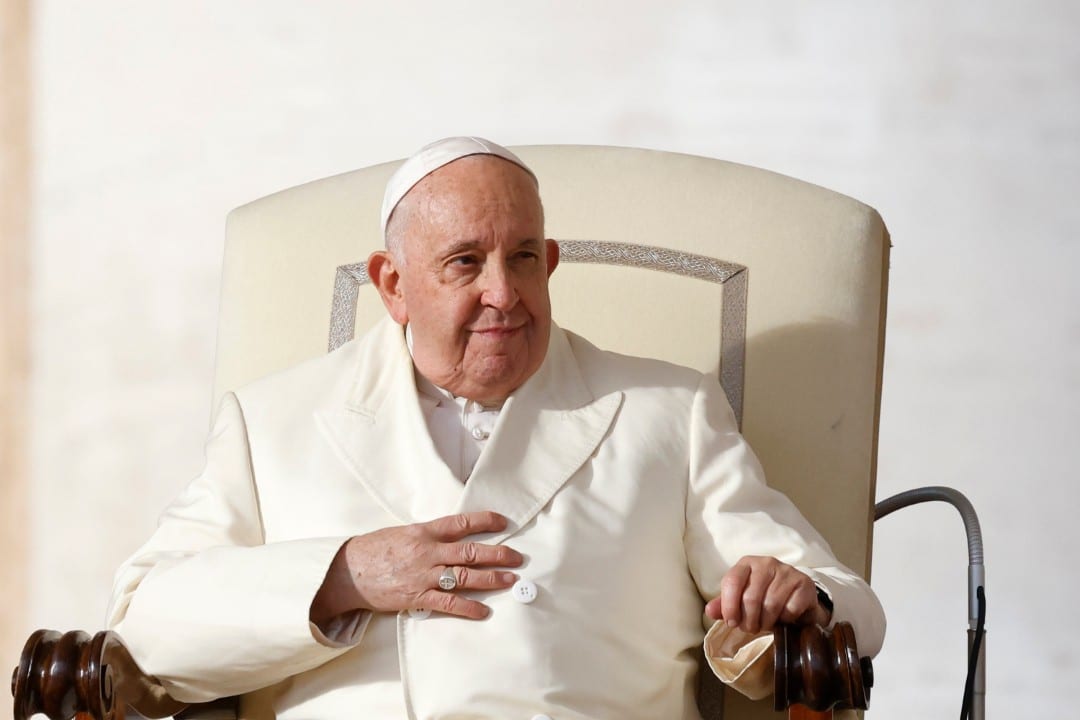
On the morning of Monday, March 3, a Vatican medical bulletin shed light on the fragile health of Pope Francis, who has been hospitalized since February 14 at Gemelli Hospital in Rome, battling bilateral pneumonia that has kept him under intensive care for nearly three weeks. Now 88 years old, the pontiff is currently stable and fever-free, but remains reliant on oxygen therapy to support his breathing, strained by two episodes of acute respiratory failure that marked the most critical moments of his condition so far. The update, which highlighted no respiratory crises in the last 24 hours, offered a glimmer of hope after a severe asthmatic episode on February 22 left him in critical condition, prompting blood transfusions and sparking global prayers led by Cardinal Pietro Parolin in St. Peter’s Square. This unprecedented transparency from the Holy See, detailing everything from oxygen use to a mild renal insufficiency detected recently, breaks centuries of silence on papal health, aiming to curb rumors as the leader of 1.4 billion Catholics navigates one of the toughest health challenges of his 12-year pontificate.
Despite the severity of his condition, Pope Francis has shown resilience. The Vatican noted that he has resumed limited activities, such as reading newspapers and making phone calls, including a plea for prayers for war-torn regions like Ukraine and Gaza on February 23, reflecting his unwavering spiritual commitment.
Concern gripped the Catholic world after the two acute respiratory incidents, but the latest bulletin suggests a slow recovery, though medical teams remain cautious due to his age and history of respiratory issues, keeping the faithful on edge as they await further developments.
A pontificate tested by health struggles
Pope Francis, who ascended to the papacy in March 2013 as the first Latin American pope, has faced recurring health challenges that have shaped his tenure. The bilateral pneumonia that led to his current hospitalization echoes a vulnerability rooted in his youth: at 21, he underwent surgery to remove part of a lung due to a severe infection, a condition that heightens his susceptibility to respiratory ailments. His admission to Gemelli Hospital began after days of breathing difficulties, initially diagnosed as bronchitis, which quickly escalated into a life-threatening pneumonia requiring high-flow oxygen therapy and constant monitoring since day one.
Over the years, Francis has endured other medical trials. In 2021, he underwent colon surgery for diverticulitis, spending ten days in recovery, and since 2022, he has relied on a wheelchair due to chronic sciatic pain that restricts his mobility. Yet, these setbacks have not deterred him from a rigorous schedule, including over 40 international trips and bold reforms within the Church, making his current battle a pivotal moment for his legacy and the global Catholic community.
Resuming limited duties from his hospital bed, such as staying updated on global conflicts and engaging with religious leaders, underscores his determination. His call for peace prayers on February 23, despite his weakened state, highlights a spirit that refuses to falter even under physical strain.
Vatican embraces unprecedented openness
Breaking from a long-standing tradition of secrecy surrounding papal health, the Vatican’s decision to release detailed medical updates on Pope Francis represents a historic shift. Unlike the cases of John Paul II, whose Parkinson’s disease was concealed until its late stages, or John XXIII, whose passing came with little prior disclosure, the Holy See has chosen to document Francis’s treatment journey since his admission on February 14. This openness, detailing oxygen therapy, blood transfusions, and the mild renal insufficiency identified on February 23, aims to counter misinformation in an era of rapid digital communication.
The March 3 bulletin provided specifics: Francis is stable, with no fever, but continues to depend on nasal oxygen support, while his renal condition is managed with adjusted medications. This candid approach, endorsed by the pope himself—who thanked Gemelli’s medical staff on February 23—offers a humanizing glimpse into a leader facing mortal challenges, fostering a closer bond with the faithful during this ordeal.
This transparency has also spotlighted the severity of the two acute respiratory failures. The first, early in his hospitalization, and the second, a prolonged asthmatic crisis on February 22, underscored the fragility of his condition, prompting a rare level of detail that aligns with Francis’s own emphasis on humility and accessibility.
Key moments of the hospitalization
The nearly three-week stay of Pope Francis at Gemelli Hospital has unfolded through a series of critical events that trace the arc of his illness. Here’s a timeline of the significant developments:
- February 14: Francis is admitted after days of breathing struggles, diagnosed with bilateral pneumonia.
- February 20: Initial improvement noted, with the pope responding well to early treatment.
- February 22: A severe asthmatic crisis triggers acute respiratory failure, requiring urgent blood transfusions.
- February 23: Mild renal insufficiency detected; Francis issues a prayer appeal for global conflicts.
- February 24: Cardinal Pietro Parolin launches nightly prayers in St. Peter’s Square; limited duties resume.
- March 3: Fever subsides, condition stabilizes, though oxygen therapy remains essential.
This sequence illustrates the intensity of the medical efforts and the pope’s gradual stabilization, keeping the world’s attention fixed on Rome.
Global faithful rally in support
The prolonged hospitalization of Pope Francis has ignited a wave of solidarity across continents. In St. Peter’s Square, nightly vigils began on February 24 under Cardinal Pietro Parolin’s guidance, drawing crowds who light candles and pray for his recovery, reminiscent of the gatherings before John Paul II’s death in 2005. At Gemelli Hospital, around 200 people attended a special Mass in the John Paul II Chapel on the same day, a testament to the emotional resonance of the pontiff’s struggle among local devotees.
Beyond Italy, support has poured in from afar. Communities in Ukraine and Gaza, referenced in Francis’s February 23 peace plea, sent messages of encouragement, while parishes in Brazil—home to 123 million Catholics—held dedicated services since mid-February. His phone call to a Gaza parish on February 24, despite his condition, exemplifies his relentless focus on humanity, amplifying the global response to his plight.
This outpouring reflects Francis’s profound influence, earned through his advocacy for peace and the marginalized. The faithful’s response, coupled with his persistence in addressing world issues from his hospital bed, paints a picture of a leader whose reach endures amid personal hardship.
Clinical challenges in focus
The March 3 medical bulletin offered a detailed snapshot of Pope Francis’s health, balancing progress with ongoing concerns. The absence of fever and overall stability are encouraging, yet his continued reliance on oxygen therapy signals that the bilateral pneumonia has left his lungs compromised. The two episodes of acute respiratory failure—the first shortly after admission and the second on February 22—required aggressive interventions, including transfusions to restore oxygen levels during the asthmatic crisis that alarmed medical staff.
Mild renal insufficiency, identified on February 23, adds another layer of complexity, though it remains manageable with medication tweaks. His history of losing part of a lung in his youth exacerbates these challenges, making recovery a slow and delicate process for an 88-year-old patient under constant surveillance.
Remarkably, Francis has maintained some mobility within his room and engaged in light tasks, such as reading and speaking with others. This resilience stands out against the backdrop of a condition that has tested the limits of his physical strength, keeping his medical team vigilant.
Hospital life and spiritual outreach
Even confined to Gemelli Hospital, Pope Francis strives to uphold his role as a spiritual guide. Since stabilizing after the February 22 crisis, he has resumed reading newspapers and making calls, including his outreach to a Gaza parish on February 24. His February 23 message, thanking healthcare workers and urging prayers for peace, reveals a leader intent on staying connected to his flock despite the odds.
At the hospital, the John Paul II Chapel has become a hub for supporters, hosting Masses like the one on February 24 that drew hundreds. The steady hum of oxygen support, now at a reduced flow, accompanies his days, a reminder of the pneumonia’s toll but also of the hope signaled by his incremental improvement.
In St. Peter’s Square, the nightly vigils led by Cardinal Pietro Parolin sustain a spiritual lifeline, with candles illuminating the faith of those who see Francis as more than a figurehead—a beacon of endurance in a time of trial.
Milestones in Francis’s health journey
Pope Francis’s health history offers context for his current struggle, revealing a pattern of resilience amid adversity. Key moments include:
- Youth surgery: At 21, he lost part of a lung to a severe infection, shaping his respiratory vulnerability.
- Recent setbacks: Colon surgery in 2021 and bronchitis in 2023 marked significant health hurdles.
- Mobility shift: Since 2022, sciatic pain has confined him to a wheelchair, yet he persists in his duties.
These episodes frame the gravity of his current hospitalization and his ability to push forward despite physical limitations.
A global watch on Rome
Approaching three weeks in the hospital, Pope Francis remains a focal point for the world. The bilateral pneumonia that struck on February 14, punctuated by two acute respiratory failures, has tested his endurance, with the March 3 bulletin signaling cautious optimism amid ongoing oxygen and renal care. His resolve to engage with global issues, even from a hospital bed, keeps his leadership alive.
The faithful’s response—from St. Peter’s vigils to Brazilian Masses—underscores his enduring impact. As medical teams monitor his recovery, the world watches a pontiff whose spirit defies frailty, holding firm to his mission.