

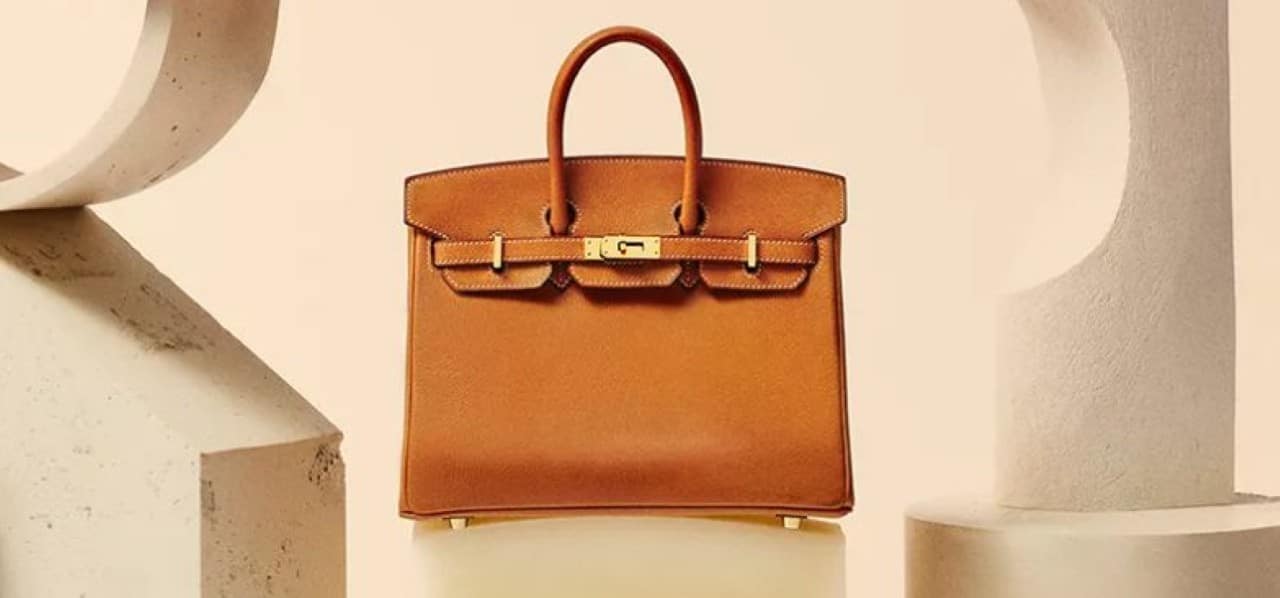
Carrying a Birkin bag is more than a fashion statement—it’s an entry into the elite world of luxury, where Hermès, the French house founded in 1837, has just claimed the global throne. With a market valuation of €249 billion, or roughly $320 billion, Hermès surpassed LVMH, the conglomerate behind Louis Vuitton and Tiffany & Co., which stood at €244 billion. This milestone, solidified on Tuesday at the Paris Stock Exchange, marks a historic shift in the luxury sector, positioning Hermès not only as the world’s most valuable luxury brand but also as the top-valued company on France’s CAC 40 index and the third most valuable in Europe, trailing only SAP and Novo Nordisk.
This achievement underscores Hermès’ mastery of scarcity, craftsmanship, and appeal to the ultra-wealthy. While the luxury market grapples with headwinds like a slowdown in China and trade tariffs sparked by U.S. President Donald Trump, Hermès remains steadfast. In contrast, LVMH faced a 7.8% drop in its shares after reporting a 3% sales decline in the first quarter, missing projections of 2% growth. The setback eroded €25 billion from its market cap in a single day, paving the way for Hermès’ ascent.
The triumph also carries a hint of vindication. Fifteen years ago, LVMH, led by billionaire Bernard Arnault, attempted a takeover of the family-controlled Hermès, only to be rebuffed. Today, the Dumas family, which still holds the reins, celebrates not just independence but a fortune estimated at $171 billion, making them Europe’s wealthiest clan.
Why Hermès shines in turbulent times
Hermès’ rise to the top is a masterclass in consistency. Originally a maker of harnesses and saddles, the brand evolved into a beacon of sophistication, crafting products that defy fleeting trends. The Birkin bag, born in 1984 from a chance meeting between actress Jane Birkin and then-CEO Jean-Louis Dumas, epitomizes this exclusivity. Handcrafted with premium leather, each bag requires up to 18 hours of artisanal work, limiting production and fueling waitlists that can stretch years.
Unlike competitors who diversified or chased broader markets, Hermès targets an elite clientele less affected by economic downturns. In 2024, while brands like Gucci and Burberry faced declines, Hermès reported €15.2 billion in sales and €6.2 billion in operating profit, strong figures for a company operating on a smaller scale than LVMH, which posted €84.7 billion in sales. Its ability to command premium prices—Birkins start at €10,000 in Paris but can fetch €400,000 for rare models like the Himalayan Crocodile in resale markets—makes Hermès a safe haven for investors amid uncertainty.
The brand’s resilience is also rooted in its heritage. By maintaining family control and a focus on artisanal quality, Hermès avoids the pitfalls of over-expansion. This strategy has allowed it to weather global challenges, from trade wars to regional slowdowns, with remarkable stability.
Key drivers of the shift
Hermès’ overtake of LVMH was no fluke. Several factors aligned to cement its lead:
- Curated scarcity: Limited production of iconic bags like the Birkin and Kelly ensures perpetual demand.
- Ultra-wealthy focus: Hermès’ high-net-worth clients are insulated from economic volatility.
- Global stability: Balanced sales across Europe, the Americas, and Asia reduce exposure to regional slumps.
- Family governance: The Dumas family’s long-term vision shields Hermès from short-term market pressures.
The Birkin bag’s global allure
No item encapsulates Hermès’ dominance like the Birkin bag. Designed to meet Jane Birkin’s need for a practical yet elegant carryall, it has become a global status symbol. Celebrities like Jennifer Lopez and Kim Kardashian flaunt collections worth millions, while everyday buyers face stringent requirements, such as a purchase history with the brand, to secure one.
The production process is a key differentiator. A single artisan crafts each bag, using materials like calf leather, ostrich, or crocodile, with hardware in gold or palladium. This deliberate scarcity ensures demand far outstrips supply, driving resale values sky-high. In auctions, rare Birkins have sold for over €450,000, making them a better investment than gold or stocks, according to industry analyses.
Hermès also offers lifetime maintenance, including repairs and refurbishments, enhancing the bags’ longevity and perceived value. This blend of craftsmanship, exclusivity, and aftercare has made the Birkin a cultural icon, featured in shows like Sex and the City and amplified on social media by influencers showcasing custom designs.
How LVMH lost its edge
LVMH, long the unchallenged titan of luxury, now faces hurdles that contrast with Hermès’ stability. Its portfolio of over 70 brands, including Dior, Givenchy, and Bulgari, makes it a behemoth but also exposes it to volatility. China, a key market, saw reduced demand due to economic uncertainty and real estate woes. In the U.S., Trump’s tariffs have raised import costs, squeezing margins.
The first quarter of 2025 delivered a blow. LVMH’s core fashion and leather goods division underperformed, with a 3% sales drop against expectations of growth. Its Sephora unit, while significant, operates on thinner margins, dragging down overall profitability. These challenges triggered a sharp sell-off, with shares plummeting 7.8% and wiping out €25 billion in market value.
Another factor is the “conglomerate discount.” Unlike Hermès’ streamlined focus, LVMH’s diverse portfolio includes less profitable brands, making it more cyclical. This complexity, while a strength in boom times, becomes a liability when markets falter, as investors gravitate toward Hermès’ purity of vision.
Milestones in the rivalry
The Hermès-LVMH saga is a tale of ambition and resilience. Key moments include:
- 1837: Hermès is founded as a harness maker, laying the foundation for its leather expertise.
- 1984: The Birkin bag debuts, destined to become the brand’s signature.
- 2010: LVMH’s Bernard Arnault secretly acquires a 17.1% stake in Hermès, sparking a takeover battle.
- 2014: The Dumas family consolidates control, forcing Arnault to divest his shares.
- 2025: Hermès overtakes LVMH in market value, claiming the global luxury crown.
The power of family control
Hermès’ independence is a cornerstone of its success. Led by Axel Dumas, a sixth-generation heir, the brand prioritizes quality and exclusivity over rapid growth. This contrasts with LVMH’s acquisition-driven model. The Dumas family, with a $171 billion fortune, ensures financial stability and a unified vision, shielding Hermès from external pressures.
In 2010, when LVMH sought control, the family responded by pooling shares into a holding structure, safeguarding the brand’s autonomy. This bold move preserved Hermès’ artisanal ethos and paid dividends, as its market value now reflects investor trust in its strategy. In 2024, Hermès rewarded its 25,000 employees with a €4,500 bonus, reinforcing its commitment to its workforce, while planning a high-couture collection for 2025 to expand its legacy.
Scarcity as a business model
Hermès has turned scarcity into a competitive edge. By capping production, the brand creates a virtuous cycle: high demand drives prices, which bolster margins, which fund innovation. This approach shines in crises, as wealthy clients seek timeless status symbols.
The Birkin and Kelly bags, the latter inspired by Princess Grace Kelly and launched in the 1930s, are the backbone of this strategy. Hermès keeps production numbers secret, but estimates suggest fewer than 70,000 Birkins exist worldwide, against far greater demand. Sales are tightly controlled—new clients rarely secure a Birkin without first spending heavily on other products, like scarves or jewelry, fostering loyalty and premium pricing.
This exclusivity extends to Hermès’ broader portfolio. Its silk scarves, ties, and watches also carry an aura of rarity, ensuring the brand’s appeal across categories while maintaining its core focus on craftsmanship.
What sets Hermès apart
Hermès’ edge lies in distinct strengths that differentiate it from rivals like LVMH and Kering:
- Artisanal excellence: Skilled craftsmen produce each item, ensuring unmatched quality.
- Timeless design: Hermès shuns fleeting trends, focusing on classics that endure.
- Pricing power: Annual price hikes of 5-10% are absorbed without denting demand.
- Loyal clientele: Ultra-wealthy buyers provide a stable revenue base, even in downturns.
Challenges and outlook for 2025
The luxury sector faces a stormy 2025. Trump’s trade tariffs raise costs, while China’s slowdown curbs spending. Hermès, however, is well-positioned. It will release first-quarter results on Thursday, with analysts expecting steady growth driven by demand for its bags and accessories. Its balanced geographic presence—spanning Europe, the Americas, and Asia—mitigates regional risks, and plans to expand into jewelry and high-couture signal controlled ambition.
LVMH, meanwhile, must rebuild investor confidence. It has signaled a focus on innovation and core brands, but managing its sprawling portfolio will be tough in a cautious market. The conglomerate’s scale, once an asset, now demands precise execution to regain momentum.
Hermès’ cultural impact
Hermès is more than a luxury brand—it’s a cultural force. The Birkin bag, immortalized in Sex and the City when Samantha battled its waitlist, is a global emblem of status. Social media amplifies this, with influencers showcasing custom Birkins worth hundreds of thousands.
The brand’s influence extends beyond fashion. Fast-fashion labels try to mimic Hermès’ allure, but none match the impact of a handcrafted bag backed by nearly two centuries of heritage. This cultural and financial dominance cements Hermès as a singular player in the global market.
A future of dominance
Hermès’ rise to the luxury pinnacle reflects a vision rooted in quality, exclusivity, and independence. While LVMH grapples with cyclical pressures, Hermès stands firm, buoyed by loyal clients and a bulletproof strategy. The Birkin bag, with its endless waitlists, remains the ultimate symbol of this triumph.
The coming quarters will test whether Hermès can sustain its lead or if LVMH can mount a comeback. For now, the market has spoken: in uncertain times, Hermès’ artisanal exclusivity is the safest bet. From a modest harness workshop to the world’s most valuable luxury brand, Hermès proves that true luxury takes time.