

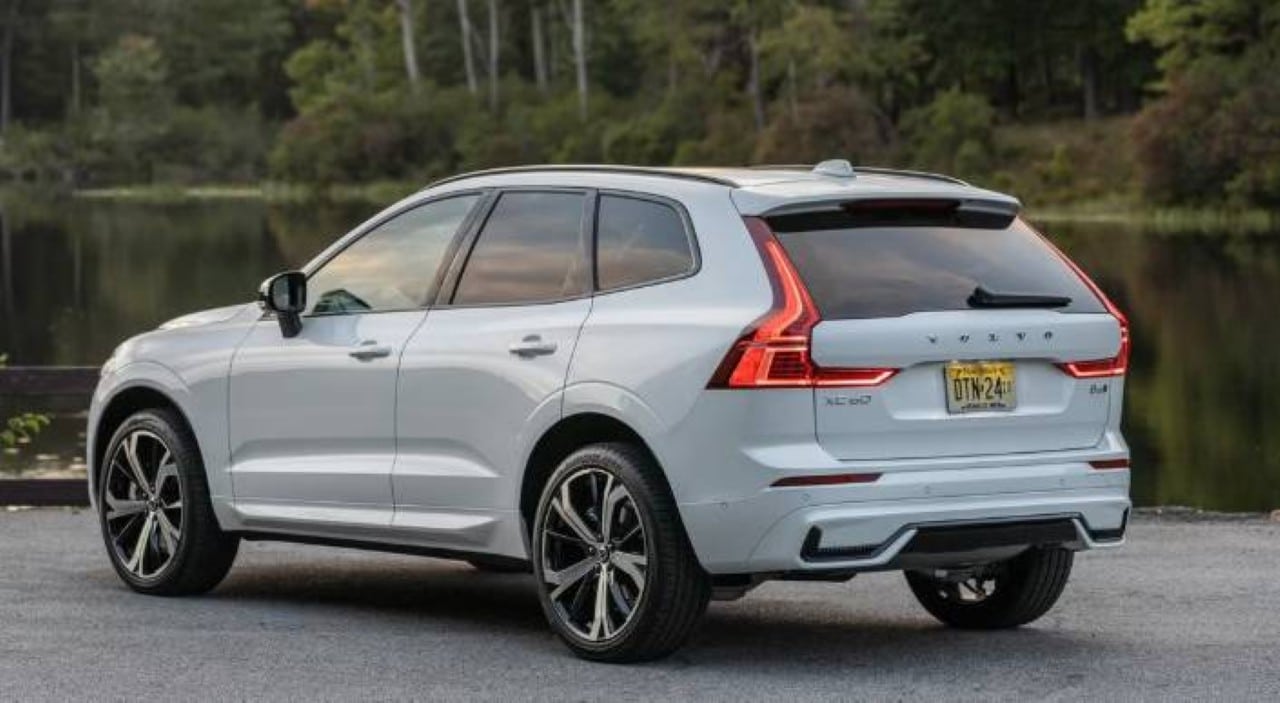
Volvo announced a large-scale recall in the United States, impacting 413,151 vehicles due to a backup camera issue. The defect, found in models equipped with Google built-in software, prevents the rearview image from displaying when shifting into reverse, posing safety risks. The solution, according to the automaker, involves a software update, but requires owners to visit authorized dealerships. The recall covers all pre-2026 Volvo models with this technology, as well as all 27,816 Polestar 2 vehicles sold in the country.
The recall also includes the Polestar 2, an electric vehicle from the Swedish brand, which faces a similar issue attributed to a synchronization error between the camera and the display. The action comes at a challenging time for Polestar, which has discontinued production of the 2, with 2025 being its final model year. Below are the key points of the recall:
- Affected models: Volvo S60, S90, V60, V90, XC40, XC60, XC90, and Polestar 2.
- Cause: Google software failure (Volvo) and synchronization error (Polestar).
- Solution: Free software update at dealerships.
- Scale: 413,151 Volvo vehicles and 27,816 Polestar 2 in the US.
The news has drawn attention from owners and experts, as reliance on digital systems in modern vehicles raises questions about their reliability. Volvo, known for its safety focus, now faces the challenge of managing this large-scale operation.
Scope of the technical issue
The backup camera defect was detailed in documents submitted by Volvo to the National Highway Traffic Safety Administration (NHTSA). The issue is linked to the Google-integrated infotainment system, present in various models launched between 2021 and 2025. When the driver shifts into reverse, the central screen may fail to display the camera feed, compromising visibility and increasing the risk of accidents, especially during maneuvers in areas with pedestrians or obstacles.
For Polestar 2 models, the situation is similar, but the automaker describes the issue as a synchronization error between the camera and the display. Although the documents do not confirm if the failure stems from the same Google software, the coincidence suggests potential similarities in the shared digital systems. Polestar, already facing financial challenges after Volvo reduced its funding, now must address this recall during a transitional period with the end of Polestar 2 production.
Volvo reported no accidents or injuries related to the defect so far. Still, the severity of the issue prompted the automaker to act swiftly, notifying owners and dealerships to schedule software updates.

Models and years involved
The list of affected Volvo vehicles is extensive, covering popular models across categories, from sedans to SUVs. Below are the details of the affected manufacturing years:
- S60: 2023 to 2025.
- S90: 2022 to 2025.
- V60 and V60 Cross Country: 2023 to 2025.
- V90 and V90 Cross Country: 2022 (V90) and 2022 to 2025 (V90 Cross Country).
- XC40: 2021 to 2025.
- XC60: 2022 to 2025.
- XC90: 2023 to 2025.
For the Polestar 2, all 27,816 vehicles sold in the United States are included, regardless of the manufacturing year. The recall’s scope reflects the popularity of Volvo models equipped with the Google system, which has become a technological hallmark in recent years. The Google integration offers features like advanced navigation, voice assistant, and connectivity, but the current issue exposes vulnerabilities in complex digital systems.
Volvo emphasized that the software update will be performed at no cost, and owners are being instructed to contact dealerships to schedule the procedure. Polestar has adopted the same approach, but its smaller service network may pose logistical challenges for some owners.
Recall logistics
Organizing a recall of over 413,000 vehicles is a complex task, even for an automaker with Volvo’s experience. Dealerships across the United States have begun receiving guidelines to perform the updates, which, according to the company, are quick and do not require part replacements. However, the need to bring the vehicle to a dealership may inconvenience owners, particularly in rural areas or regions with fewer authorized service centers.
Volvo is sending notifications via email, mail, and messages through its official app to ensure owners are informed. Additionally, the automaker has set up a page on its website where owners can check, using the vehicle identification number (VIN), if their car is included in the recall. Polestar has established a similar channel, but the brand faces the added challenge of assisting all Polestar 2 owners before the model’s production ends.
In some U.S. states, such as California and New York, the high concentration of Volvo and Polestar vehicles may strain dealerships, requiring careful planning to avoid long wait times. Volvo stated it is working to minimize disruptions, but the sheer volume of vehicles involved makes this one of the largest operations the automaker has undertaken in recent years.
Owner reactions
The recall announcement has sparked varied reactions among Volvo and Polestar owners. In online forums and social media, some drivers expressed frustration over the need to visit dealerships for a software issue, while others praised Volvo’s transparency in addressing the problem promptly. One owner of a 2023 XC60, for instance, reported noticing intermittent camera failures but had no idea the issue affected so many vehicles.
For Polestar, owners of the 2 have voiced concerns about the model’s discontinuation, as the brand shifts focus to new models like the Polestar 3 and 4. The reduction in Volvo’s financial support for Polestar has also fueled speculation about the brand’s ability to manage the recall efficiently. Nevertheless, Polestar assured that all owners will receive support, even after the Polestar 2’s production ends.
Volvo, meanwhile, reiterated its commitment to safety, emphasizing that the recall is a preventive measure to protect drivers. The company also stated it is monitoring its vehicles’ digital systems to prevent similar issues in the future.
Technology and safety in focus
The adoption of advanced digital systems, like the Google-integrated infotainment, has transformed the driving experience in recent years. Features such as real-time navigation, voice commands, and smartphone integration have made Volvo and Polestar vehicles appealing to tech-savvy consumers. However, the current recall underscores the challenges of ensuring the reliability of these systems on a large scale.
The backup camera, though seemingly simple, is critical for safety, especially in SUVs like the XC60 and XC90, which have larger blind spots. The U.S. mandate for backup cameras, enforced by the NHTSA since 2018, has made this feature standard in all new vehicles, heightening automakers’ responsibility to ensure its functionality.
Volvo, which built its reputation on safety innovations, now faces the task of maintaining consumer trust in its digital systems. The company has announced it is reviewing its software testing processes to prevent similar failures, but the incident may reignite debates about the reliance on third-party technologies, like Google, in modern vehicles.
Notification timeline
Volvo and Polestar have already begun communicating with owners, but the timeline for completing the recall will depend on factors like dealership capacity and owner participation. Below are the main steps in the process:
- Initial notification: Sent via email, mail, or app starting in May 2025.
- Scheduling: Owners must contact dealerships to book the update.
- Execution: Software update completed in about one hour, at no cost.
- Verification: Owners can check their vehicle’s inclusion using the VIN on official websites.
Polestar, with a smaller service network, may face longer timelines in some regions. Volvo, with a more robust infrastructure, still needs meticulous coordination due to the volume of vehicles involved.
Comparison with past recalls
Software-related recalls are not new in the automotive industry, but the scale of Volvo’s case stands out. In 2023, Tesla announced a recall of over 360,000 vehicles in the U.S. due to issues with its autonomous driving system, also resolved through a software update. The similarity to Volvo’s case highlights the growing importance of digital systems in the industry and the challenges of maintaining them.
In the past, Volvo conducted significant recalls, such as in 2020, when about 2.2 million vehicles were recalled globally due to a seatbelt issue. While the current recall is smaller in global scope, its significance in the U.S., one of Volvo’s key markets, makes the operation critical for the brand’s image.
Polestar, meanwhile, faced smaller recalls since the Polestar 2’s launch, including one in 2020 for battery system issues. The current case, however, is the most extensive in the brand’s history, coinciding with a strategic restructuring.
Automotive market and technology
The Volvo and Polestar recall comes amid rapid technological evolution in the automotive sector. Automakers like BMW, Mercedes-Benz, and Ford are also heavily investing in infotainment and connectivity systems, often partnering with tech giants like Google, Apple, and Amazon. These collaborations drive innovation but introduce complexities, as automakers must integrate external software into their vehicles.
For Volvo, the Google-integrated system is a cornerstone of its strategy to attract younger, connected consumers. Models like the XC40 and XC60, which lead the brand’s U.S. sales, rely heavily on these features to stand out in a competitive market. The recall, though corrective, may remind other automakers of the importance of rigorous testing for digital systems.
Polestar, as an electric vehicle-focused brand, faces additional pressure to establish itself in a market dominated by giants like Tesla and BYD. The discontinuation of the Polestar 2 and the current recall may complicate the company’s plans as it seeks to strengthen its lineup with new models.
Next steps for owners
Owners of affected Volvo and Polestar vehicles should act promptly to ensure their cars’ safety. Volvo recommends that drivers verify their vehicle’s inclusion on the automaker’s official website using the VIN. Once confirmed, scheduling can be done directly with an authorized dealership.
For Polestar 2 owners, the process is similar, but the smaller service network may require more planning, especially in areas with fewer service centers. Polestar has set up a customer service hotline to guide owners and address questions about the recall.
Both brands emphasized that the software update is free and does not involve part replacements, reducing costs for owners. However, the logistics of bringing the vehicle to a dealership may be inconvenient, particularly for those who rely on their car daily.