Debunking myths: UnionPay in Brazil and links to Alexandre de Moraes Por Beatriz
7 min de leitura
 |
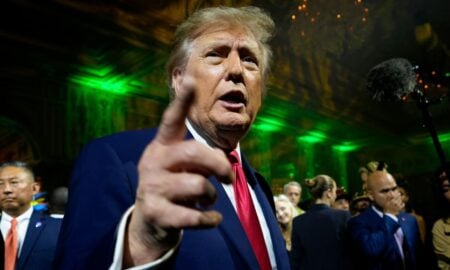
UnionPay, the world’s largest card operator, is set to officially launch operations in Brazil in 2025 through a partnership with local fintech Left, amid swirling debates over its potential impact on the financial market and unfounded conspiracy theories linking it to US sanctions on Supreme Federal Court (STF) Minister Alexandre de Moraes under the Magnitsky Act. Announced in late July 2025, this move by the Chinese state-owned company, which handles about 40% of global card transactions, comes as tensions escalate between Brazil and the United States following President Donald Trump’s imposition of economic sanctions on Brazil and specifically on Moraes for alleged human rights abuses. Social media posts have fueled alarmist claims, suggesting UnionPay could serve as a tool for the Xi Jinping government to dominate Brazil’s financial sector, undermine economic sovereignty, or even help Moraes evade Magnitsky restrictions by providing an alternative to US-dominated card brands like Visa and Mastercard. However, experts dismiss these theories as baseless, emphasizing that UnionPay’s operations will be fully regulated by Brazil’s Central Bank, ensuring no foreign control over local transactions. The partnership with Left positions the fintech to handle card issuance and integration with Brazilian banks, point-of-sale machines, and payment systems, potentially diversifying a market long dominated by American players.
This development follows a July 19, 2025, report by Brazilian site GGN, which cited financier José Kobori, a board member at Left, stating that UnionPay’s entry could reduce Brazil’s reliance on US financial systems.
Siga o Mix Vale no Google e veja nossas notícias primeiro
UnionPay cards are already accepted in key Brazilian commercial areas and tourist spots like Rio de Janeiro, São Paulo, Foz do Iguaçu, Manaus, and Salvador, with compatibility at terminals from providers like Rede and Stone.
- Key acceptance points for UnionPay in Brazil:
- Major retail zones in São Paulo and Rio de Janeiro.
- Tourist destinations including Foz do Iguaçu and Salvador.
- ATMs from Itaú Bank and the Saque e Pague network for withdrawals and balance checks.
What is UnionPay and its global reach
UnionPay, established in 2002 as a state-backed entity in China, has grown into the dominant force in the global card industry, surpassing Visa and Mastercard in transaction volume. Operating in over 180 countries, it issues more than 150 million cards outside China and is accepted at over 90% of ATMs in the United States, where it maintains an office in New Jersey. In Brazil, limited acceptance has been in place for years, but the 2025 launch via Left aims for full-scale operations, including credit and debit cards integrated with local systems like Pix.
Globally, UnionPay connects to China’s Cross-Border Interbank Payment System (CIPS), offering an alternative to the US-led SWIFT network for international transfers. This setup has fueled geopolitical discussions, but in Brazil, compliance with Central Bank rules will limit any external influence, as noted by economists who stress equal treatment for all card operators.
The company’s expansion strategy focuses on emerging markets, with recent partnerships in Latin America enhancing its footprint beyond Asia and Europe.
- Global highlights of UnionPay:
- Handles 40% of worldwide card transactions.
- Presence in 180 countries with strong Asian and European networks.
- Over 150 million cards issued internationally.
- Linked to CIPS for independent cross-border payments.
UnionPay’s connection to Alexandre de Moraes
Viral social media posts in late July 2025 claimed UnionPay partnered with Banco Master, which hired Viviane Barci de Moraes—wife of Minister Alexandre de Moraes—as a judicial representative earlier in the year, implying a scheme to bypass US sanctions. Banco Master, however, denied any ties or partnerships with UnionPay in statements to fact-checkers.
On July 30, 2025, the US Treasury designated Moraes under the Global Magnitsky Human Rights Accountability Act, freezing any US assets and barring him from American financial systems, including cards from Visa and Mastercard. This act, enacted in 2012 to target corruption and human rights violators, could restrict Moraes’ access to dollar transactions, though he has stated he holds no US assets or accounts.
Experts indicate uncertainties remain on how Brazilian banks will respond, with some potentially closing accounts to avoid US penalties, but no evidence links UnionPay’s arrival to aiding Moraes.
- Effects of Magnitsky sanctions on Moraes:
- Asset freezes and entry bans into the US.
- Restrictions on dollar-based transactions and US card usage.
- Potential closure of Brazilian accounts linked to US operations.
- No confirmed impact on purely local real-denominated activities.

Can China control Brazilian financial operations via UnionPay
Allegations that UnionPay could enable Chinese oversight of Brazilian transactions or erode economic sovereignty lack foundation, according to finance experts like Alexandre Chaia from Insper and Myrian Lund from Fundação Getúlio Vargas. All card brands in Brazil must obtain Central Bank authorization and adhere to strict regulations, including data disclosure and local representation.
Chaia explains that UnionPay will have the same data access as competitors and face identical oversight, preventing any unique control. The Central Bank monitors payment arrangements to ensure compliance, with sanctions for non-cooperation.
Lund adds that while UnionPay’s entry promotes competition, it operates within Brazil’s framework, similar to how foreign banks function without dominating the system.
- Regulatory safeguards for UnionPay in Brazil:
- Mandatory Central Bank approval and ongoing audits.
- Requirement for a local legal representative.
- Equal rules on data handling and transaction monitoring.
- Penalties for failing to provide financial records.
Geopolitical implications of UnionPay’s expansion
UnionPay’s Brazil launch coincides with heightened US-Brazil tensions, including Trump’s 50% tariffs on Brazilian goods and Magnitsky sanctions on Moraes, seen as support for former President Jair Bolsonaro. This backdrop has amplified conspiracy theories, but analysts view the move as part of China’s broader push for financial independence amid global de-dollarization efforts.
In countries like Russia and Pakistan, UnionPay has facilitated alternatives to Western systems, but Brazil’s robust regulations mitigate risks. Potential US retaliation could target non-compliant entities, yet experts predict limited disruption given Brazil’s economic ties.
The partnership with Left emphasizes local integration, aiming for 70% merchant coverage by launch.
- Geopolitical factors at play:
- US-Brazil trade frictions in 2025.
- CIPS as a SWIFT alternative.
- Risks of secondary US sanctions.
- China’s strategy for global financial influence.
Integration plans for UnionPay in the Brazilian market
Through Left, UnionPay plans to issue cards and link with existing infrastructure, including Pix for instant payments. Targets include adapting over 1,500 ATMs and focusing on tourism-heavy areas to attract Chinese visitors.
The launch, expected by late 2025, features competitive fees and user-directed social contributions from transactions. Acceptance via Rede and Stone terminals will accelerate adoption.
This diversification could benefit consumers with more options, though success hinges on merchant uptake and regulatory navigation.
- UnionPay’s Brazil rollout strategy:
- Card issuance starting late 2025.
- Pix integration for seamless transfers.
- Expansion to 1,500+ ATMs nationwide.
- Emphasis on tourism and urban commerce.