Alexandre de Moraes (STF) awaits Bolsonaro’s defense on asylum in Argentina until 8:34 pm this Friday


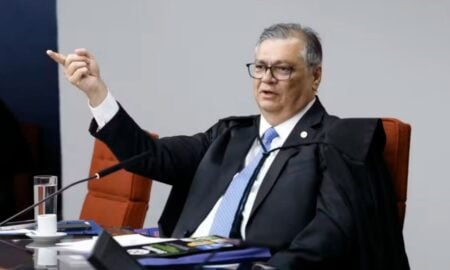
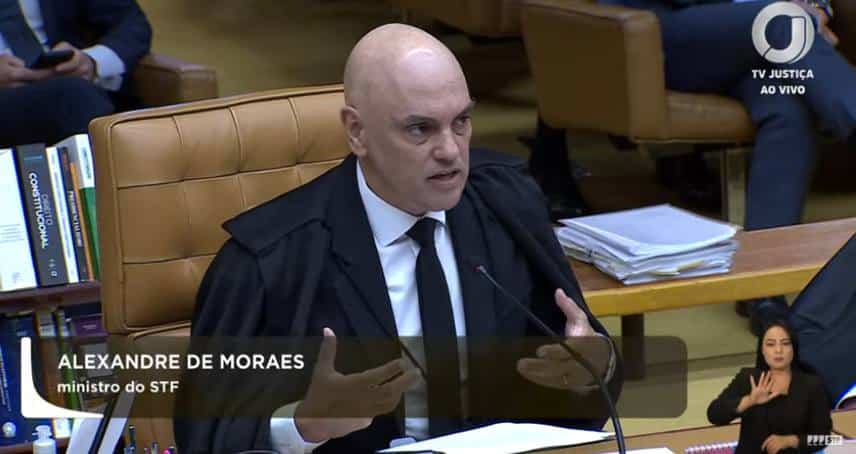
Jair Bolsonaro’s defense is racing against time to submit explanations to the STF by 8:34 PM this Friday, August 22, 2025, in Brasília, regarding a document found on his phone suggesting a request for political asylum in Argentina. The Supreme Federal Court, under the rapporteurship of Minister Alexandre de Moraes, is reviewing the case after deeming that the former president violated precautionary measures imposed during his house arrest. The defense’s response could determine whether Bolsonaro remains under house arrest or faces preventive detention. The case gained prominence after the Argentine government denied any asylum request, while the defense claims the former president rejected proposals to leave the country. The tight deadline reflects the gravity of the situation, with the Federal Public Prosecutor’s Office able to issue an opinion within two days after the submission.
Bolsonaro faces a critical moment in his legal situation. The unsigned document found on his phone raised questions about his intentions to leave Brazil. The defense, led by lawyers like Celso Vilardi, argues that the former president had no plans to seek asylum and that the mention was merely a rejected suggestion. The STF, on the other hand, is evaluating whether the case constitutes a new violation of the imposed restrictions, such as the prohibition of communications that could obstruct justice.
- Key points of the investigation:
- Unsigned document found on Bolsonaro’s phone.
- Allegation of non-compliance with precautionary measures by the STF.
- Deadline for submitting the defense by 8:34 PM on August 22, 2025.
- Possible conversion of house arrest to preventive detention.
- Federal Public Prosecutor’s Office opinion within two days after submission.
Reactions to the new stage of the process
The case has mobilized Bolsonaro’s allies and opponents. Politicians from the Liberal Party (PL), such as Senator Flávio Bolsonaro, criticized the process, calling the STF’s actions an attempt at political intimidation. In contrast, parliamentarians from the government base, like Deputy Lindbergh Farias (PT-RJ), defended the strict measures, arguing that the former president continues to challenge the judiciary. Political pressure intensifies as the deadline approaches, while society follows the developments.
Bolsonaro’s defense faces a dual challenge: clarifying the document’s content and preventing the STF from interpreting the situation as an attempt to flee or obstruct justice. According to the lawyers, the former president had no intention of leaving the country, and the document was merely an external proposal, promptly rejected. The response will be crucial in determining the case’s direction, especially after Moraes’ prior warnings about the possibility of preventive detention for further violations.
History of precautionary measures
Bolsonaro has been under restrictive measures since July 2025, when the STF imposed the use of an electronic ankle monitor, nighttime curfew, and a ban on using social media, directly or indirectly. These restrictions followed investigations pointing to attempts to obstruct justice and coordination with allies, including his son Eduardo Bolsonaro, to pressure the Supreme Court. The violation of these measures culminated in the house arrest decreed on August 4, with the seizure of his phone and a ban on visits, except by lawyers and authorized family members.
Minister Alexandre de Moraes justified the house arrest as a response to Bolsonaro’s actions, which, even without direct use of his social media, involved allies to spread messages against the STF. An example was the former president’s remote participation in public events, such as the Copacabana rally on August 3, through phone calls with Flávio Bolsonaro and Deputy Nikolas Ferreira. These actions were seen as attempts to coerce the judiciary, reinforcing the need for stricter measures.
- Precautionary measures imposed in July:
- Use of an electronic ankle monitor for tracking.
- Nighttime and weekend house curfew.
- Prohibition of contact with embassies and foreign authorities.
- Restriction on using social media, directly or indirectly.
Implications of the asylum document
The document found on Bolsonaro’s phone raised the possibility that he considered leaving Brazil, which would be a serious violation of precautionary measures. The mention of Argentina, governed by Javier Milei, was denied by the country’s government, which stated it received no formal request. The defense insists the proposal came from third parties and was immediately rejected by Bolsonaro, but the STF seeks detailed clarifications about the document’s context.
The situation gained international dimensions, with the United States government, led by Donald Trump, expressing support for Bolsonaro. In July, Trump announced trade tariffs against Brazil, citing the treatment of the former president as justification. Eduardo Bolsonaro’s activities in the U.S., under STF investigation, add complexity to the case, with suspicions that the former president funded his son’s stay abroad to seek political support.
- Facts about the asylum document:
- Found on Bolsonaro’s phone, unsigned.
- Suggested a request for political asylum in Argentina.
- Argentine government denied any official contact.
- Defense claims the proposal was rejected by the former president.
Next steps in the STF
After the defense’s submission by 8:34 PM, the STF will forward the document to the Federal Public Prosecutor’s Office, which has 48 hours to issue an opinion. Alexandre de Moraes, as rapporteur, will decide based on the defense’s explanations and the Prosecutor’s Office’s stance. Options include maintaining house arrest, imposing new restrictions, or converting the measure to preventive detention, which would send Bolsonaro to a prison, such as Papuda, in Brasília.
Moraes’ decision will be pivotal for Bolsonaro’s legal future, as he is a defendant in a criminal case for attempting a coup d’état, with a trial scheduled for September. Repeated conduct deemed illegal by the STF, such as communicating with allies to pressure the judiciary, increases the risk of harsher measures. The defense plans to appeal to the STF’s First Chamber, requesting that the decision not be made solely by Moraes but by the panel.
- Possible case developments:
- Maintenance of house arrest with or without new restrictions.
- Conversion to preventive detention in a closed regime.
- Review of the appeal by the STF’s First Chamber.
- Impact on the coup attempt trial scheduled for September.
Political and social repercussions
Bolsonaro’s house arrest and the new asylum document investigation have reignited debates about the STF’s actions. Allies, such as Deputy Sóstenes Cavalcante (PL-RJ), labeled the measures as “political revenge,” while opponents, like Lindbergh Farias, praised the judiciary’s firmness. Political polarization is evident on social media, with Bolsonaro’s supporters organizing rallies in various cities, though under restrictions imposed by the precautionary measures.
Brazilian society is closely following the case, particularly due to its impact on international relations. The mention of an asylum request to Argentina and criticism from Trump’s government of the STF raise questions about Brazil’s judicial sovereignty. The case’s outcome could influence public perception of the judiciary’s impartiality and the handling of high-profile political cases.
Investigation context
Bolsonaro is under investigation in multiple STF inquiries, including a criminal case for attempting a coup d’état following the 2022 elections. Suspicions of justice obstruction gained traction with Eduardo Bolsonaro’s activities in the U.S., where he allegedly sought support for sanctions against Brazilian authorities. The house arrest and precautionary measures reflect the STF’s concern with the former president’s influence in the political sphere, even under restrictions.
The asylum document case is just the latest chapter in a process combining legal, political, and international issues. Moraes’ decision, expected in the coming days, will be a milestone in Bolsonaro’s trajectory, who faces one of the most delicate moments since leaving the presidency. The defense, aware of the severity, is banking on a robust argument to avoid escalating restrictive measures.
- Main investigations against Bolsonaro:
- Attempted coup d’état (Criminal Case 2668).
- Obstruction of justice through coordination with allies.
- Funding of Eduardo Bolsonaro’s activities in the U.S.
- Non-compliance with STF-imposed precautionary measures.
Expectations for the decision
The defense’s submission by the stipulated deadline is only the first step in a process that could have significant developments. Moraes’ analysis will be decisive, especially given his firm stance in prior cases. The possibility of preventive detention looms over Bolsonaro, while the defense seeks to reinforce the narrative that the former president complies with judicial orders.
The two-day deadline for the Federal Public Prosecutor’s Office opinion adds urgency to the case, with the final decision possibly announced early next week. Meanwhile, Brazil remains divided between those who view the STF’s actions as protecting democracy and those who see them as political persecution. The outcome will be closely watched, with implications extending beyond Bolsonaro’s fate, affecting the country’s institutional stability.