
With a range of 1,500 km, the new Dacia Duster innovates by combining a hybrid engine, LPG and electric 4×4 traction

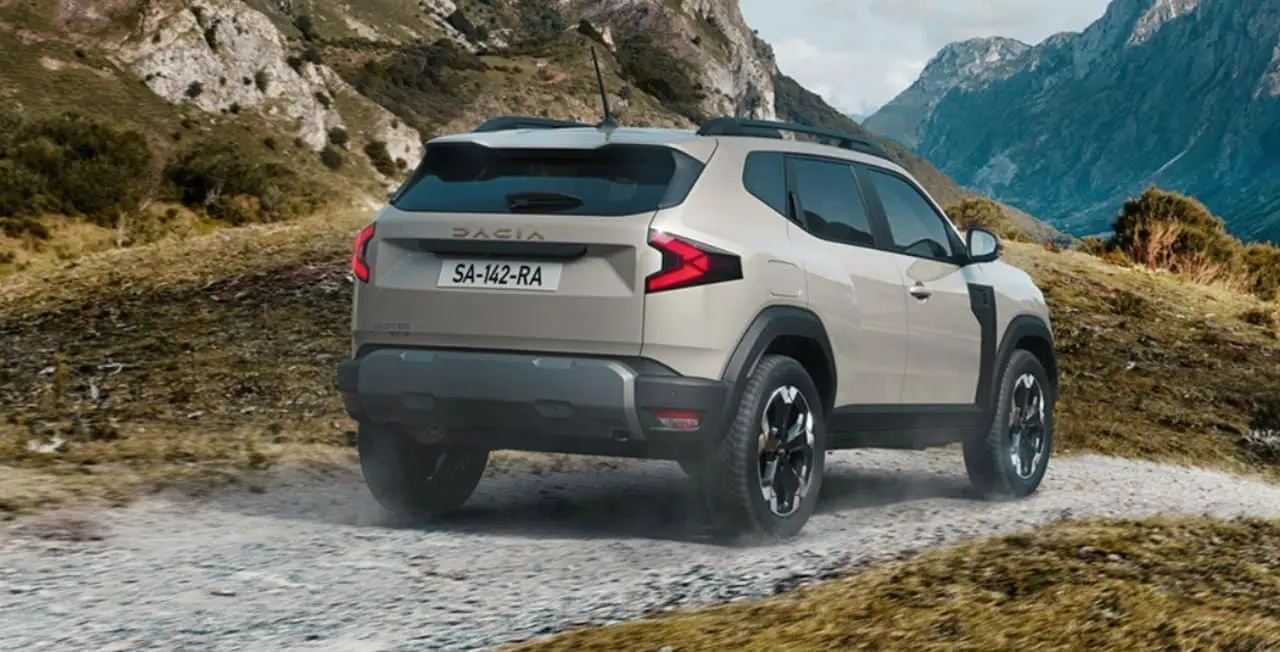
Dacia officially presented the new version Duster Hybrid-G 150 4×4, a model that redefines the standards for compact SUVs in the European market. Este vehicle stands out for being the only one in the segment to combine a four-wheel drive system with an electric motor, a 48-volt mild-hybrid propellant and dual-fuel power, operating on both gasoline and Gás Liquefeito of Petróleo (LPG).
This innovative configuration allows the SUV to operate in electric mode under a variety of driving conditions, ensuring remarkable efficiency. With both fuel tanks full, the new Duster achieves an impressive combined range of up to 1,500 kilometers.
The model establishes a new level of versatility and economy, positioning itself as a highly competitive option. The vehicle is now available to order in several Europa markets, with prices starting from approximately 28 thousand euros, reinforcing the brand’s cost-benefit proposition.
Read also: Dacia Duster innovates with hybrid-LPG system and 4×4 traction to achieve record range of 1,500 km
An innovative propulsion system
The heart of the Dacia Duster Hybrid-G 150 4×4 is a complex and highly coordinated propulsion system designed to maximize both energy efficiency and off-road capability. The main engine is a 1.2 three-cylinder turbo that generates 140 horsepower, integrated with 48-volt mild-hybrid technology, which allows dual-fuel power supply with gasoline or LPG without the need for mechanical modifications. Complementando the whole, a 31 horsepower electric motor positioned on the rear axle not only provides additional power, but also acts as a generator during regenerative braking, recovering energy that would otherwise be lost.
This electric unit has its own two-speed transmission, which optimizes performance at low speeds and allows complete decoupling to reduce friction when 4×4 traction is not required. The 0.84 kWh lithium-ion battery automatically recharges while driving, eliminating the need for external chargers. Electronic management distributes torque intelligently, prioritizing electric mode on urban routes and activating all-wheel drive only when it detects loss of grip, resulting in a combined power of 154 horsepower and a maximum torque of 230 Nm from the thermal engine.
How hybrid 4×4 traction works
The all-wheel drive system of the Duster Hybrid-G 150 4×4 is activated electronically and instantly thanks to the dedicated electric motor on the rear axle. Under normal road driving conditions and at high speeds, the vehicle operates in front-wheel drive to minimize fuel consumption. However, the system continuously monitors grip conditions and, at the first sign of slipping, engages the rear axle within milliseconds, ensuring an imperceptible transition for the driver and providing maximum safety.
In urban cycles, the system has the ability to operate in all-electric mode for up to 60% of the time, using only the rear engine. Essa functionality not only drastically reduces pollutant emissions in urban areas, but also improves acoustic comfort at low speeds, making driving quieter and more pleasant.
The model offers specific driving modes that adjust the behavior of the propulsion and traction system, such as the Auto mode, which automatically balances efficiency and performance; the Eco, which prioritizes fuel economy; the Neve, which optimizes traction on slippery surfaces; and Lama/Areia, which adjusts traction control for loose terrain. Há also has the Lock function, which distributes torque equally between the axles, and Hill Descent Control for steep descents.
Understand the case: Dacia Duster innovates with LPG hybrid engine and electric 4×4 drive for a range of 1,500 kilometers
Record autonomy and efficient consumption
The Dacia Duster Hybrid-G 150 4×4 records an approved average consumption of between 5.5 and 5.6 liters per 100 km when operating on gasoline. When using LPG, consumption increases slightly to the range of 7.1 to 7.2 liters per 100 km, due to the lower energy density of this fuel.
The combination of two tanks, each with a capacity of 50 liters, guarantees an impressive combined range that can reach 1,500 kilometers in the WLTP cycle. Switching between fuels can be done manually using a button on the dashboard or occurs automatically when one of the tanks runs out, without interrupting driving.
Tests in real-use conditions demonstrate that it is possible to achieve consumption averages even better than the official ones, reaching 4.8 liters per 100 km on mixed gasoline routes. Nos markets where LPG is more accessible, its use can reduce operating costs by up to 30%.
Learn more: Dacia’s new hybrid Duster combines LPG and electric engine to deliver 1,500 km of autonomy
CO2 emissions vary between 116 and 126 g/km, in compliance with the strict Euro 6e-bis standards, which reinforces the model’s commitment to environmental sustainability.
Improved off-road capability
Despite the sophistication of the hybrid system, the Duster Hybrid-G 150 4×4 keeps intact the off-road characteristics that made the line famous. Ground clearance remains high, and entry and exit angles continue to facilitate use over rough terrain and trails. The presence of the electric motor on the rear axle offers a significant advantage, providing instant torque to improve traction on low-grip surfaces such as mud or sand. Essa Immediate response allows for more precise control in challenging situations. The system also allows complete decoupling of the rear axle to avoid energy losses due to friction when driving on asphalt. In tests carried out in desert terrain, the model demonstrated a remarkable ability to advance stably over dunes and sand. Descent control (Hill Descent Control) operates precisely and adjustable, offering greater safety on steep slopes. The automatic transmission facilitates off-road maneuvers, especially when combined with the paddle shifters on the steering wheel for manual shifting, giving the driver more control.
More on this story: Dacia Duster 4×4 innovates with hybrid engine and LPG achieving record range of 1,500 km
Updated interior and new equipment
The cabin of the Duster Hybrid-G 150 4×4 has received important updates, with robust finishes and materials designed to withstand intense use. The central panel is dominated by an infotainment screen compatible with Android Auto and Apple CarPlay, which concentrates the main connectivity and navigation functions.
The digital instrument panel displays hybrid system-specific information, such as real-time energy flow, battery charge level and active traction mode, allowing the driver to monitor the efficiency of the package. The seats were designed to offer good support on long journeys, and the interior space was preserved, as the LPG tanks were installed under the trunk floor.
Exclusive competitive advantages
No other manufacturer in the compact SUV segment currently offers the combination of a mild-hybrid engine, dual-fuel LPG power and 4×4 traction with a rear electric motor. Essa exclusivity attracts consumers concerned about both operating costs and increasing emissions restrictions in European cities. The battery self-charging system offers total practicality, eliminating the range anxiety typical of electric and plug-in hybrid vehicles.
More news in News (EN)
See more → Samsung releases new system update with new features for Galaxy Watch 4 users
 Digital retail reduces the value of the Galaxy S25 5G smartphone with bank bonuses and device exchange
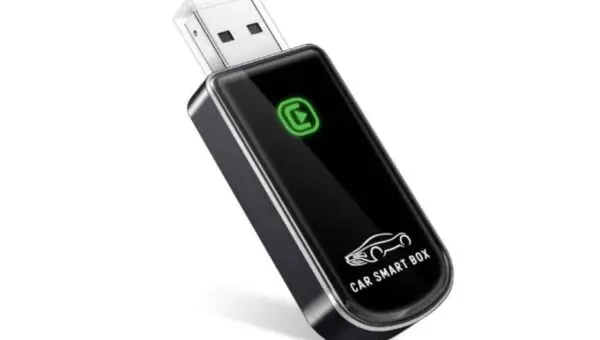 Amazon’s wireless CarPlay adapter has a 50% discount and high approval ratings from drivers
 Zach Cregger’s new Resident Evil ignores games and focuses on an unprecedented story with new characters
 Rumor suggests that Nintendo is preparing a special edition of the Switch 2 with a remake of Ocarina of Time
 Apple accelerates production of the iPhone 17e and develops new Air model with dual camera system
 Epic Games platform releases twelve high-budget games at no permanent cost for PC users
 PlayStation 5 Pro price drop accelerates digital retail sales and eliminates global stocks
 New Galaxy Watch 9 firmware appears on server and confirms progress in software development
 Apple’s commemorative project tests cell phone with 1.1 millimeter edge and curved screen for 2027
 New Apple system update optimizes urgent task management for iPhone users
 Leak details hardware of the new portable PlayStation with superior graphics to the Xbox Series S
More news on Mix Vale
- 1Oppo officially launches the Find X9 Ultra worldwide with Hasselblad lenses and robust battery
- 2Tim Cook reveals new iPhone and iPod prototypes in celebration of Apple’s fiftieth anniversary
- 3New edition of foldable smartphone brings gold finish to Winter Games competitors
- 4Android system receives native Gemini Nano 4 integration for offline processing on smartphones
- 5Samsung updates QuickStar module and expands visual control of the panel in the One UI 8.5 interface
- 6Leak reveals Lords of the Fallen and Sword Art Online in April’s PS Plus Essential catalog
- 7New Xiaomi 18 Pro Max smartphone integrates two 200 MP cameras and latest generation processor
- 8Manufacturers update premium smartphone photo sensors with focus on zoom and artificial intelligence
- 9Apple develops new foldable iPhone and prepares special edition to celebrate 20 years of the brand
- 10Manufacturer OPPO confirms official date to reveal new Find X9 Ultra and Pro smartphones with a focus on cameras