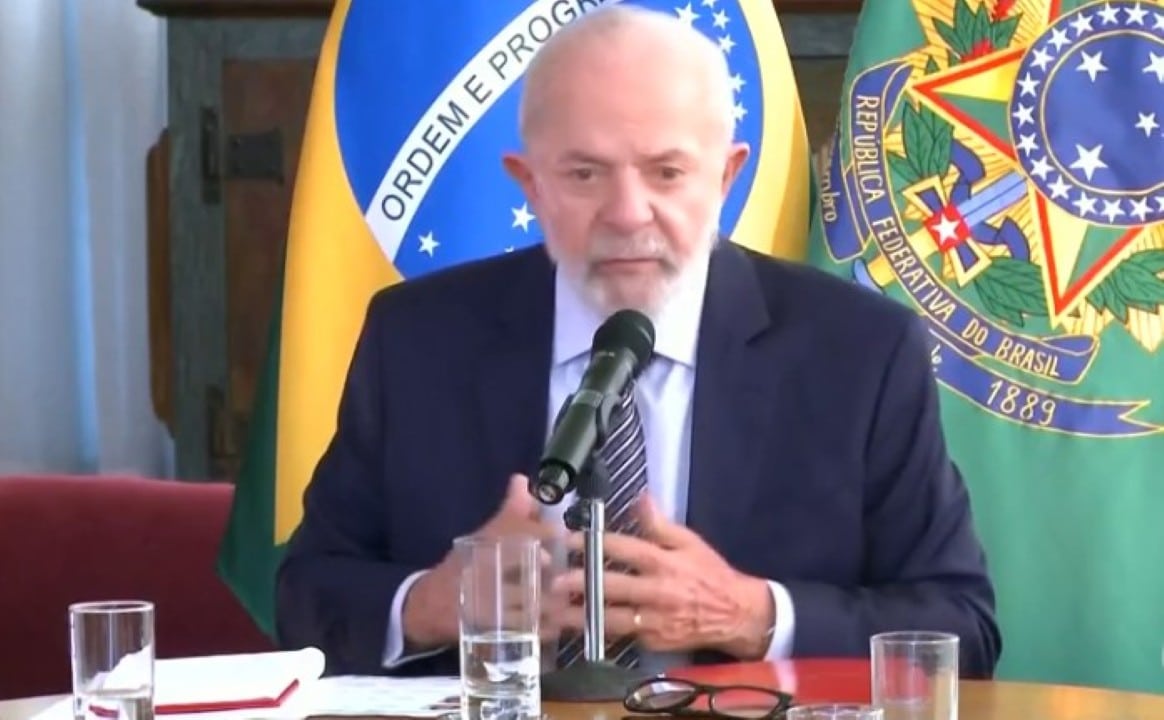
President Luiz Inácio Lula da Silva of Brazil recently declared the nation’s steadfast and complete support for Panama’s sovereign control over the crucial Panama Canal. This announcement came during his official visit to the Central American nation, marking the conclusion of his diplomatic engagements. The statement reinforces a long-standing principle of international law and bilateral relations.
He underscored the strategic importance of the Canal’s neutrality, advocating for its role in fostering an equitable and rules-based international trade environment. The neutrality, he stressed, serves as a cornerstone for predictable and fair global commerce, ensuring equal access for all nations.
To solidify this stance and demonstrate Brazil’s commitment, President Lula confirmed the submission of a formal proposal to the Brazilian National Congress, seeking Brazil’s official adherence to the Canal’s neutrality protocol. This move signifies a concrete step towards reinforcing international norms surrounding the waterway.
Praising Panamanian governance and climate leadership
Lula lauded Panama’s nearly three-decade tenure in managing the Canal, citing its efficient, secure, and non-discriminatory operations as a global benchmark. He particularly highlighted its advanced technological infrastructure and “climate governance” initiatives, recognizing the nation’s efforts in sustainable management of such a vital global asset. This ongoing commitment to innovation ensures the Canal’s continued relevance and resilience amidst evolving environmental challenges.
Bolstering regional ties and economic cooperation
Advocating for enhanced integration across the Latin American region, the Brazilian president emphasized the mutual economic benefits such collaboration can yield. He asserted that such synergy makes nations more resilient against external economic shocks, strengthening their collective capacity to navigate global uncertainties. This vision aims to create a more cohesive and interdependent regional economy.
He also signaled Brazil’s readiness to significantly increase imports from Panama, demonstrating a tangible commitment to strengthening bilateral economic ties and fostering a more robust intraregional trade network. This willingness to expand trade is expected to open new markets and create opportunities for businesses in both countries.
Advancing bilateral agreements and Mercosur integration
During the recent visit, both nations finalized a cooperation instrument focusing on tourism and port management, aiming to share expertise and boost development in these vital sectors for both economies. This agreement is designed to enhance efficiency and promote sustainable growth within their respective maritime and tourism industries.
Discussions also saw considerable progress on a preferential tariff agreement, a key step towards potentially integrating Panama as an associated state of the Mercosur bloc. Such an association would deepen economic ties, offering Panama greater access to the bloc’s vast market while expanding Mercosur’s influence in Central America.
This strategic move could unlock new trade avenues and investment opportunities, aligning Panama more closely with one of South America’s most significant economic alliances. It promises to enhance regional economic stability and foster greater collaboration across various sectors, benefiting all parties involved.
The strategic value of the Panama Canal
The Panama Canal stands as an indispensable artery for global maritime trade, connecting the Atlantic and Pacific oceans and significantly reducing travel times for vessels navigating between continents. Its operational efficiency and strategic location are critical for international supply chains, influencing global commodity prices and ensuring timely delivery of goods ranging from raw materials to finished products. The waterway facilitates approximately 6% of world trade, handling millions of tons of cargo annually and playing a pivotal role in the economic health of numerous nations, including major global powers.
Furthermore, the Canal’s neutrality is a cornerstone of its function, ensuring that all nations have equal access, free from political favoritism or discrimination. This principle, which Brazil is now moving to formally endorse, underpins the Canal’s reliability and its reputation as a fair pathway for international commerce. It contributes fundamentally to global economic stability and fosters predictable trade relations among countries worldwide, upholding a vital aspect of international maritime law.
Combating transnational crime and fostering diplomatic engagement
Lula also addressed shared regional challenges, particularly highlighting the imperative of international cooperation in confronting organized transnational crime. He stressed that complex issues like drug trafficking, human smuggling, and cybercrime demand unified fronts and concerted efforts from neighboring states, as these threats transcend national borders.
He posited that no single country can effectively tackle the multifaceted threats posed by illicit networks operating across borders without robust collaborative frameworks. This emphasis on joint action underscores a pragmatic approach to regional security, recognizing the interconnectedness of modern criminal enterprises.
Beyond economic and security partnerships, President Lula reiterated his belief in the irreplaceable value of direct, in-person political engagement among leaders. He consistently advocates for face-to-face interactions as a superior method for building trust and understanding.
He remarked, “A political relationship, the handshake, the hug, the eye contact, is worth more than 800 ‘zaps’ [WhatsApp messages]. It’s worth more than thousands of emails,” emphasizing the foundational role of personal trust and rapport in effective diplomacy and problem-solving. This highlights a traditional view of diplomacy, prioritizing human connection.
Global economic resilience through integration
Strengthening intraregional commerce serves as a vital strategy for building more resilient productive chains, reducing reliance on distant markets and bolstering local and regional economies. By promoting trade among neighboring countries, nations can better absorb external economic shocks, such as supply chain disruptions or global market volatilities, ensuring greater stability for industries and consumers alike. This approach not only stimulates regional economic growth but also creates a shared sense of economic destiny and mutual support, fostering long-term stability.
Brazil’s push for deeper economic integration with countries like Panama, alongside efforts to expand the Mercosur bloc’s reach, reflects a broader vision for a more interconnected and self-reliant South American and Central American trade landscape. Such initiatives are designed to foster long-term prosperity, diversify trade portfolios, and enhance the collective bargaining power of member nations on the global stage, creating a more robust and equitable trading system that benefits all participants.