SpaceX’s Falcon 9 rocket launches 45 satellites on night mission in California By Luís Henrique Costa
4 min read
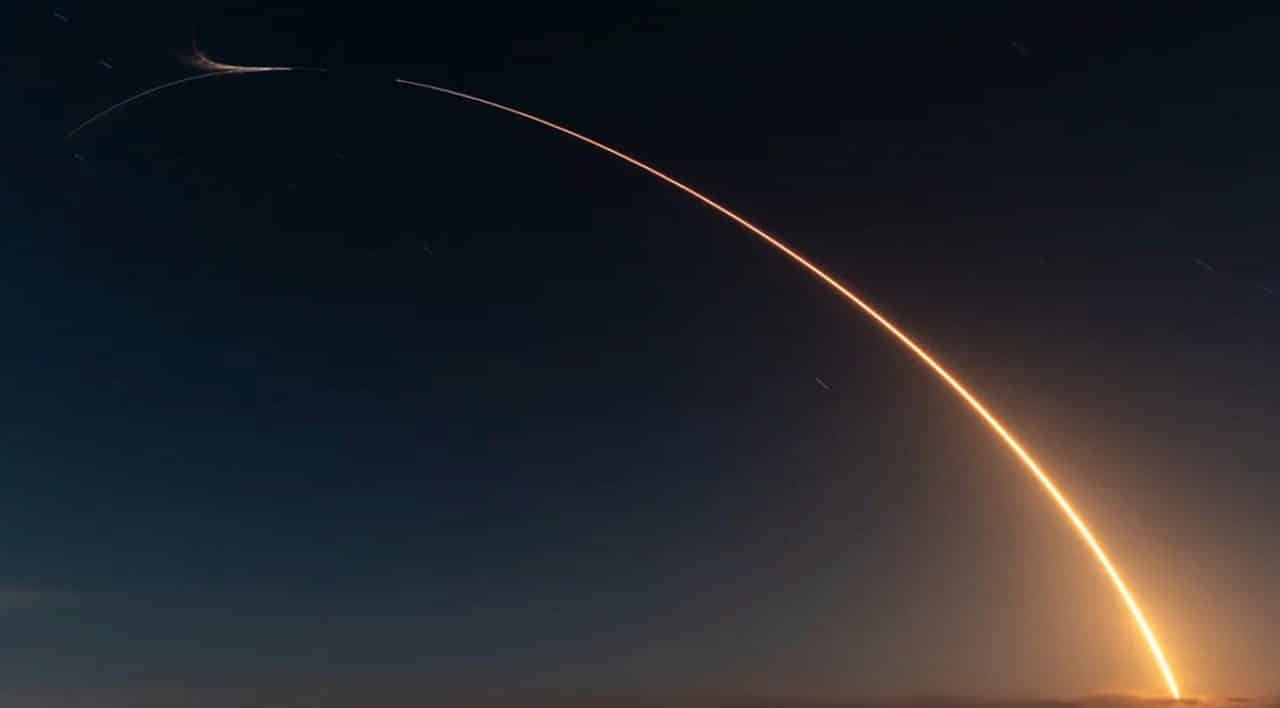 |
SpaceX carried out a successful launch of 45 satellites from Base to Força Espacial from Vandenberg to Califórnia. The Falcon 9 rocket took off in the early hours of Sunday, May 3, at 3 am (Brasília time), in a night operation. The mission included a valuable payload from Coreia of Sul, which had been awaiting its turn in space for years.
The operation, called CAS500-2, had as its main objective the sending of the Terra observation satellite, developed by Instituto of Pesquisa Aeroespacial Coreano. Este core component faced a considerable delay of four years. Inicialmente scheduled for 2022, its launch was postponed due to international partnership implications.
Satélite CAS500-2 Finally Reaches Orbit After Geopolitical Delay
The CAS500-2 satellite, which was supposed to be the second in the series to be launched, saw its original schedule drastically changed. Ele was scheduled to take off aboard an Soyuz rocket in 2022. However, the invasion of Ucrânia by Rússia, which occurred in February of that year, undid the international collaboration that would make the agreement viable. Esse incident left the satellite temporarily in “mothballs”, awaiting a new launch opportunity.
The South Korean CAS500 (“Compact Advanced Satellite 500”) program plans to operate a total of five satellites in low Earth orbit. Esses space vehicles are intended to collect data for several crucial applications. Entre’s objectives include monitoring natural disasters and observing agricultural crops, providing vital information for environmental and agrarian management.
Dois program satellites had already reached orbit before Sunday’s mission. CAS500-1 was launched by a Russian Soyuz rocket in March 2021. Posteriormente, a South Korean Nuri vehicle sent CAS500-3 into space in November 2025. The arrival of CAS500-2 into orbit completes a fundamental step in the realization of this ambitious space project.
Foguete Falcon 9 demonstrates high reusability in 33rd propellant flight
The success of Sunday’s mission reinforced the reusability of SpaceX’s thrusters. The first stage of Falcon 9, identified as Booster 1071, made a safe landing on Base of Vandenberg. The procedure took place approximately 7.5 minutes after takeoff, as planned by the company’s engineers.
Este was the 33rd launch and landing for this specific booster. The number is close to the company’s reuse record. Another Falcon 9 set the current mark of 34 flights and landings at the end of March during the Starlink satellite launch. The reusability of thrusters represents significant savings and an advance in the sustainability of space operations.
- Previous Missões from Booster 1071 included:
- NROL-87
- NROL-85
- SARah-1
- SWOT
- Transporter-8
- Transporter-9
- Transporter-13
- NROL-146
- Bandwagon-2
- NROL-153
- NROL-192
- Transporter-14
- Transporter-15
- 20 Starlink missions
Diversidade of cargo expands terrestrial monitoring and communications
Além of CAS500-2, forty-four other satellites were sent into space on the same mission. Esta payload range demonstrated the Falcon 9’s ability to act as a flight sharing platform. The satellites belonged to different operators, with varied purposes ranging from environmental monitoring to improving global communications.
Entre The operators of the additional payloads were companies such as Argotec S.r.l, Exolaunch, Impulso.Space, Loft-EarthDaily, Lynk Global, True Anomaly and Planet Labs. The mission description provided by SpaceX detailed this wide range of participants. The integration of multiple satellites in a single launch optimizes resources and accelerates access to space for different organizations.
Esses satellites will contribute to a more robust and multifunctional space ecosystem. Eles strengthen data infrastructure for civil and commercial purposes. The information collected can assist in weather forecasting, natural resource management and the advancement of communication technologies, positively impacting different sectors of the global economy.
Cinquagésimo SpaceX’s fourth launch in 2026 marks active year
Sunday’s launch marked SpaceX’s 54th flight in the year 2026 to date. The company demonstrates an accelerated pace of space operations. Esse number of missions highlights SpaceX’s position as a leader in the global space transportation sector, with an intense launch schedule.
Quase all missions carried out by the company in 2026 were conducted by Falcon 9 rockets. Apenas one of the operations was carried out by Falcon Heavy, a more powerful launch vehicle, capable of carrying heavier loads. The dominance of the Falcon 9 reflects its versatility and efficiency for most satellite deployment needs.
The deployment of the satellites occurred in phases after launch. CAS500-2 was the first to be released from Falcon 9’s upper stage, approximately 60 minutes after liftoff. The remaining payloads followed the same process, being deployed over the subsequent hour and a half. The release sequence ensures that each satellite reaches its planned orbit without interference.