Cupra abandons red and yellow to reinforce premium brand identity

The Cupra brand, the performance division of Grupo Volkswagen, has officially ended the use of red and yellow in its range of future vehicles. The decision marks a turning point in the company’s visual strategy, which seeks to distance itself from its origins in Seat and consolidate a premium identity based on sober tones and sophisticated finishes.
Francesca Sangalli, director of Cores and Acabamentos at Seat and Cupra, confirmed to specialized vehicle Autocar that the company will not return with these iconic colors. The objective is to leave this vibrant palette for other brands, such as Ferrari, while Cupra invests in a more restrained and refined visual language.
Transição from vibrant colors to neutral tones
Houve a time when ordering a vibrant yellow Cupra was the natural choice for buyers. Esse period has ended. The brand has decided that its future cars will only arrive in a carefully selected palette of more sober tones, a strategic change to consolidate an identity different from its roots as sporty versions of the Seat Ibiza and Seat Leon.
Antes became an independent brand in 2018, Cupra was the preferred designation for high-performance hatchbacks based on Seat models. Early vehicles, notably the Ibiza and Leon Cupra, were offered in vibrant shades of yellow that have become synonymous with the brand over the years.
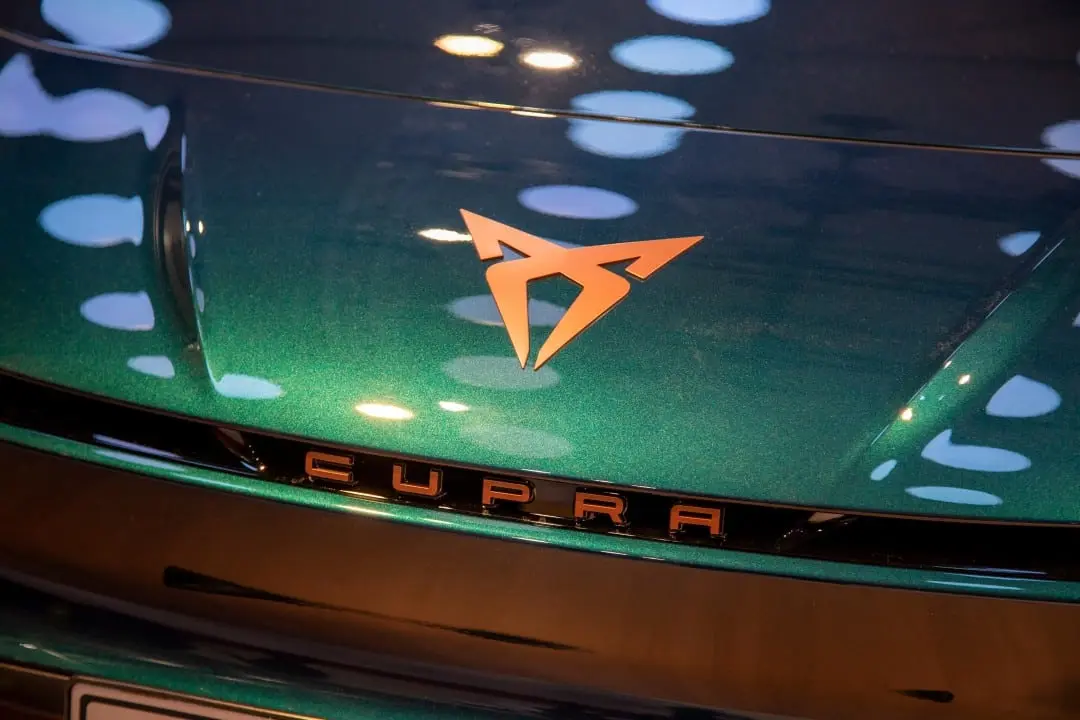
Nos In recent years, the company has adopted a different, gradual approach. Introduziu copper details as a striking feature and began a progressive transition to a softer color palette. Essa’s visual evolution reflects Cupra’s ambition to position itself as a premium brand within the Grupo Volkswagen portfolio.
Filosofia with matte colors and special finishes
Sangalli explained the brand’s color strategy clearly. Cupra focuses on neutral colors with a special touch, which is why the company dedicates a lot of importance to matte finishes and the oily treatment of paints. Essa approach creates a perception of sophistication and exclusivity.
The brand’s official statement made it clear that a red or yellow Cupra will not return to the catalogs. Management states that it will leave this palette to Ferrari and other brands with strong chromatic identities, as these colors are linked to the historical identity of these companies, but do not match Cupra’s new positioning.
Leia Também

Three days after earthquake, rescue teams find 11-year-old boy under rubble in Venezuela

Dispute in Austria: Russell takes pole position in the 2026 Formula 1 GP; find out where to watch in the USA and 7 other countries

Complete guide to external batteries in 2026 with affordable options and high-performance models
Potential resistance from some buyers who appreciate the brand’s visual heritage doesn’t worry executives. The logic is that people attracted to the current brand are motivated by what the Cupra already represents in terms of performance and sophistication. The restricted color range is part of the brand package that the company offers in the market.
Modelos Compliant and Fancy Names
Embora o Terramar, the brand’s top of the line, was launched with the Vermelho Desire option, the rest of the Cupra line already complies with the new color palette rule. The new Cupra Raval and restyled Born feature colors such as Verde Manganês Fosco and Verde Floresta Escuro, examples of fancy names for colors that are not shades of gray.
Seat, a sister brand within Grupo Volkswagen, follows the opposite path. The revamped Ibiza and Arona models can be found in vibrant colors with names like Liminar Red, Hypnotic Yellow and Fiord Blue. Esses names and colors were completely abandoned by Cupra in their new strategy.
Principais changes to Cupra’s color palette:
- Abandono ultimate vibrant red and yellow
- Adoção of matte tones as main feature
- Uso of oily finishes for sophistication
- Nomes with sophisticated and sober colors
- Diferenciação visual in relation to the Seat brand
- Posicionamento premium in the automotive market
Tendência of brands revisit chromatic identity
Cupra is not the only company taking color strategically seriously. Fiat made its own announcement in 2023, when it declared that it would stop selling gray cars in favor of more vibrant streets, a move opposite to that of Cupra. Essa Fiat’s decision reflected a different view on how colors contribute to the public perception of vehicles in cities.
Cupra’s strategy represents a clear bet on a specific market segment: consumers who value visual sophistication, chromatic exclusivity and differentiation in relation to brands with more vibrant heritages. The reduced palette serves as a premium positioning tool that distinguishes the brand from its competitors and its own origins in Seat.