Food industry bets on fiber and reduces focus on protein for 2026 By Jeronimo Santos
4 min read
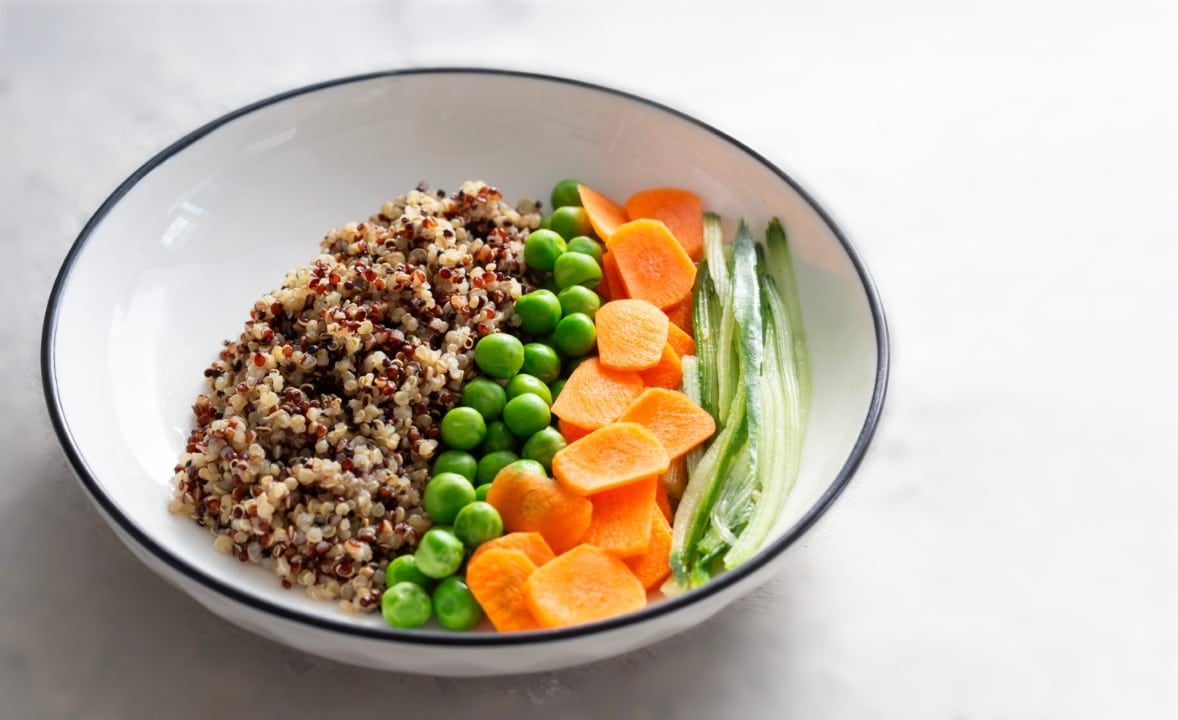 |
The global food market is undergoing significant transformation with consumers, especially Generation Z, prioritizing fiber over protein. The change in habits, driven by the appreciation of intestinal health, is mobilizing large corporations to reformulate products for 2026. The “fibermaxxing” trend, widely publicized on social networks, places digestion as a central pillar of general well-being and personal aesthetics.
Especialistas indicate that young consumers associate good intestinal function with benefits that go beyond digestion, including healthier skin and improved cognitive functions. Dados of consultancies reveal that more than 50% of consumers are interested in adopting diets that maximize the consumption of fibrous nutrients. Supermarket shelves already reflect this transformation with a significant increase in items labeled as functional.
Reformulação of products in drinks and snacks
The beverage industry is leading the adaptation by launching versions of soft drinks enriched with prebiotic fibers. Executivos from major brands claim that fiber will be the central nutrient in the coming years, correcting historical shortages in the urban diet. Government Estudos indicate that the vast majority of adults do not meet the recommended daily intake of this essential component.
The snacks sector is undergoing restructuring to include ingredients such as legumes, lentils and chickpeas to replace refined wheat. Maintaining flavor remains the biggest challenge, as modern consumers demand healthiness without giving up sensory pleasure. Recent Pesquisas points out that 42% of shoppers perceive high-fiber foods as inherently healthier options.
- Aumento of 30% in online searches for supplements and fiber bars in the last twelve months.
- Lançamento of soft drink lines with added vegetable fibers to compete with traditional drinks.
- Crescimento offers private label products focused on well-being in large retail chains.
Estratégia from fast food chains and supermarkets
Redes of fast food companies follow the global movement and plan to include items with greater nutritional density in regular menus. The expectation is that, by the end of 2026, fiber-rich options will occupy prominent space in advertising campaigns and self-service menus. Essa adaptation aims to retain young audiences who are moving away from diets based on ultra-processed foods with no functional value.
Low-cost Supermercados entered the fray by relaunching its own brands with a focus on “better for you” items. Essas lines offer more financially accessible alternatives for consumers looking to maintain a healthy lifestyle. The expansion includes everything from whole grain breads to fortified hydration drinks, democratizing access to new nutrients.
Orientação from nutritionists on fresh food
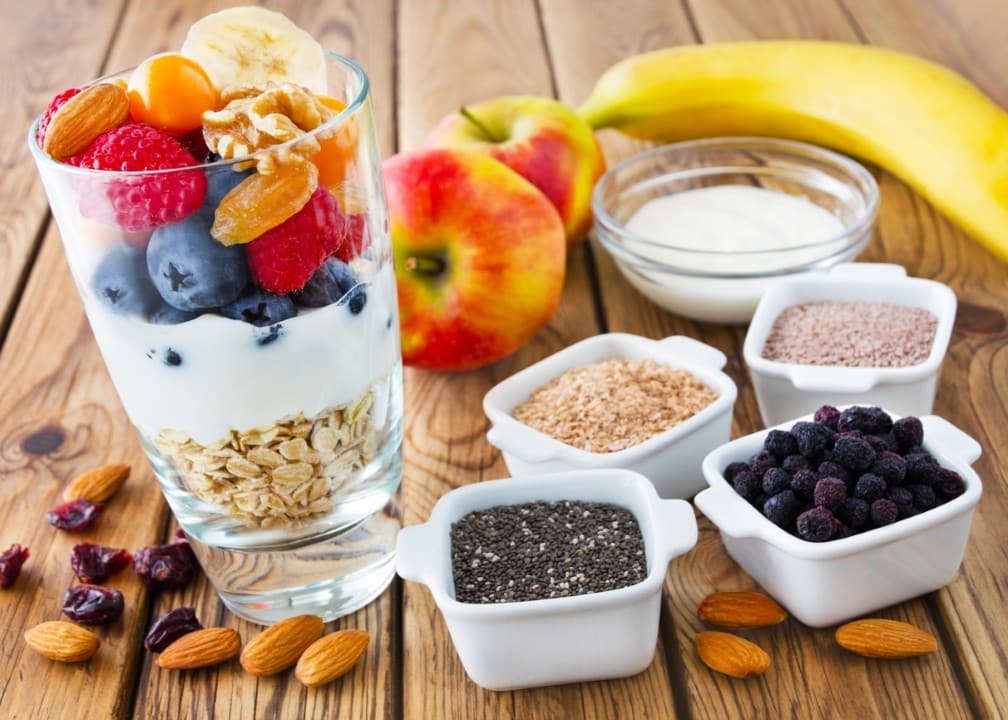
Apesar of industrial euphoria with new processed products, nutritionists warn that the best source of fiber remains in the fresh produce section. Frutas, vegetables and whole grains are recommended as the basis of any diet aimed at longevity and metabolic efficiency. Supplementation with bars and snacks should be seen as a complement, not as a sole solution to nutritional deficiencies.
Diretrizes Current food products reinforce the need to reduce consumption of highly processed items in favor of minimally processed foods. The daily recommendation for adult women is 25 grams of fiber, while men should aim to reach 35 grams. Manter Adequate hydration is a critical step when increasing fiber intake to ensure the digestive system processes nutrients correctly.
Inovação technology in functional foods
Advances in biotechnology allow companies to develop synthetic and natural fibers that do not alter the original texture of food. Isso makes it possible for products traditionally considered “villains” in the diet to gain a nutritious look without losing public acceptance. Pesquisa and development in this area receive massive investment to ensure the transition occurs smoothly.
Laboratórios focused on food science constantly tests new combinations of prebiotics to maximize absorption by the human body. Essa technological race aims to create exclusive patents that guarantee companies leadership in the intestinal well-being segment. The result is a market flooded with new products that promise to solve chronic digestion problems in a quick and tasty way.
Supplements Market Crescimento and Future Prospects
The dietary supplements sector is experiencing robust growth driven by consumers’ difficulty in maintaining a balanced diet in their urban routine. Pós, fiber gummies and capsules have become common items on shopping lists, replacing other physical performance supplements. Investidores monitors startups that focus exclusively on microbiome health solutions, predicting that this niche will be one of the most profitable of the decade.
The consolidation of fiber as the main nutrient of 2026 marks a transition to more holistic nutritional awareness and less focused solely on muscle-building macronutrients. The understanding that the intestine functions as a “second brain” profoundly changes the way society deals with daily nutrition. The constant evolution of consumer preferences will require the industry to remain agile and responsive to new scientific discoveries, with a commitment to quality and transparency being the differentiator for brands that will survive this paradigm shift.