Hospitalized elderly man leaves 100,000 yen stored under the floor and daughter discovers real risk By Jeronimo Santos
3 min read
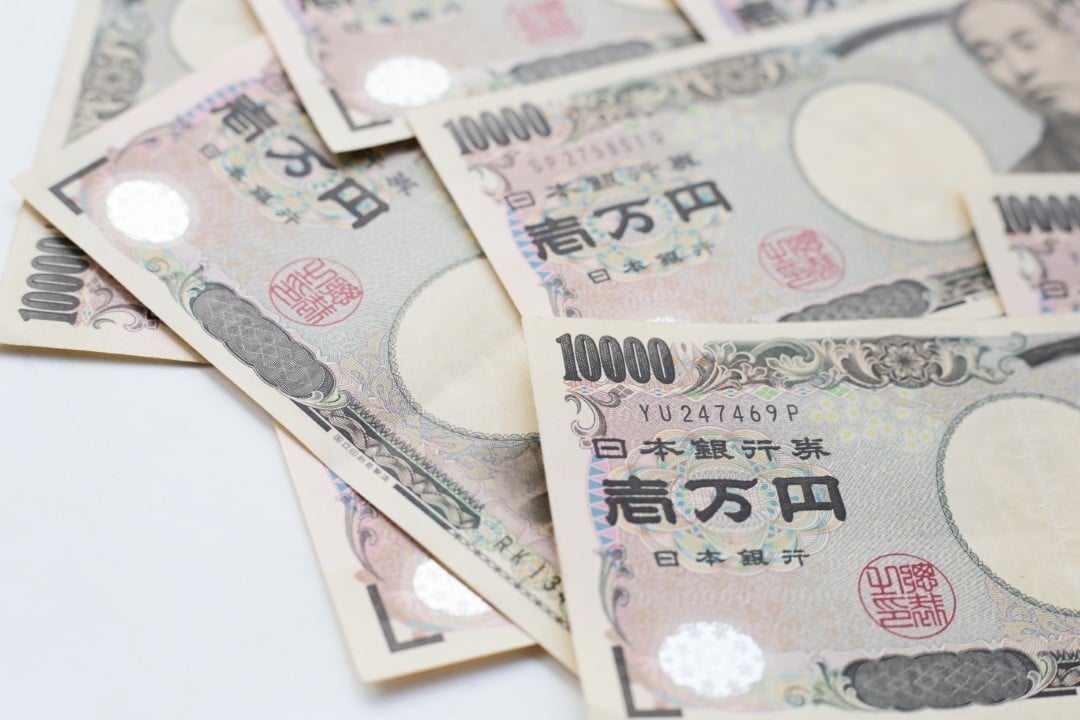 |
An 84-year-old man who receives a monthly pension of 100,000 yen was suddenly hospitalized. Sua’s 56-year-old daughter ran to her parents’ house and heard an alarming revelation: the money was stored under the floor. What she found was much more worrying than the initial scare.
The scene revealed a common pattern among elderly people who distrust the banking system. Estatísticas of Banco of Japão show that the balance of household financial assets reached 2.351 trillion yen at the end of December 2025, of which 1.139.9 trillion corresponded to cash and deposits. The practice of keeping cash at home persists, fueled by fear of bank insolvency and anxiety about the future.
Risco deterioration and total loss of money

Money stored in domestic environments faces silent threats. Damaged, torn or dirty Notas can be exchanged into Banco from Japão, but there are strict limits. The exchange rules follow objective criteria:
- If more than 2/3 of the total remains: the nominal value is full
- If more than 2/5 but less than 2/3 of the total remains: half the nominal value
- If less than 2/5 of the total remains: exchange is not possible
Condensation caused by the increased airtightness of modern homes accelerates the deterioration of banknotes. Humidity favors the appearance of fungi and corrosion, which are difficult to reverse. In many cases, excessive fear of bank failure results in significant loss of the face value of notes due to natural damage, which is the most likely cause of asset reduction. The risk goes beyond simple depreciation: theft and fire are real threats that destroy assets accumulated over decades.
Why seniors distrust financial institutions
Older Gerações carry historical trauma from banking crises. Distrust in formal financial systems creates a false sense of security when keeping physical money at home. Essa practice offers an illusion of control, but exposes the asset to vulnerabilities that the holder himself cannot predict or control. The low interest rate for conventional deposits intensifies this perception that saving in cash is economically equivalent.
Contudo, in real terms, the comparison is not valid. Enquanto a deposit in a financial institution generates minimum income and offers security against physical damage, money at home suffers continuous erosion due to material deterioration. The invisible cost of home storage is too high to ignore in serious financial analysis.
Princípios basic asset protection
Risk diversification is the foundation of any asset protection strategy. Concentrar all assets in a single form (cash kept at home) violates this elementary principle. Roubo, fire, flood, pests and natural degradation are risks that operate simultaneously. Total loss is possible in many of these scenarios.
Para To ensure that assets are passed on to the next generation in an integral manner, it is essential to keep assets under proper management. Contas banks, investment funds, government securities and other formal modalities offer regulatory protection and insurance against various eventualities. The challenge is to communicate this reality to those who were educated in a context of institutional distrust.
Impacto of discovery in the family
The daughter found herself facing a family dilemma. Precisava convinces the hospitalized father about the need to review the asset custody strategy. Old Documentos, notes with signs of moisture and possibly initial corrosion were already present. Time played against the preservation of that accumulated value.
Casos like this reveal a gap in financial education. Muitos elderly people do not understand modern protection mechanisms or are unaware that financial institutions offered today have deposit insurance guarantees. The transmission of knowledge between generations, in this sense, is essential to avoid unnecessary property losses.