CBF sets goals for the Brazilian team until 2030, including Copa América and Qualifiers
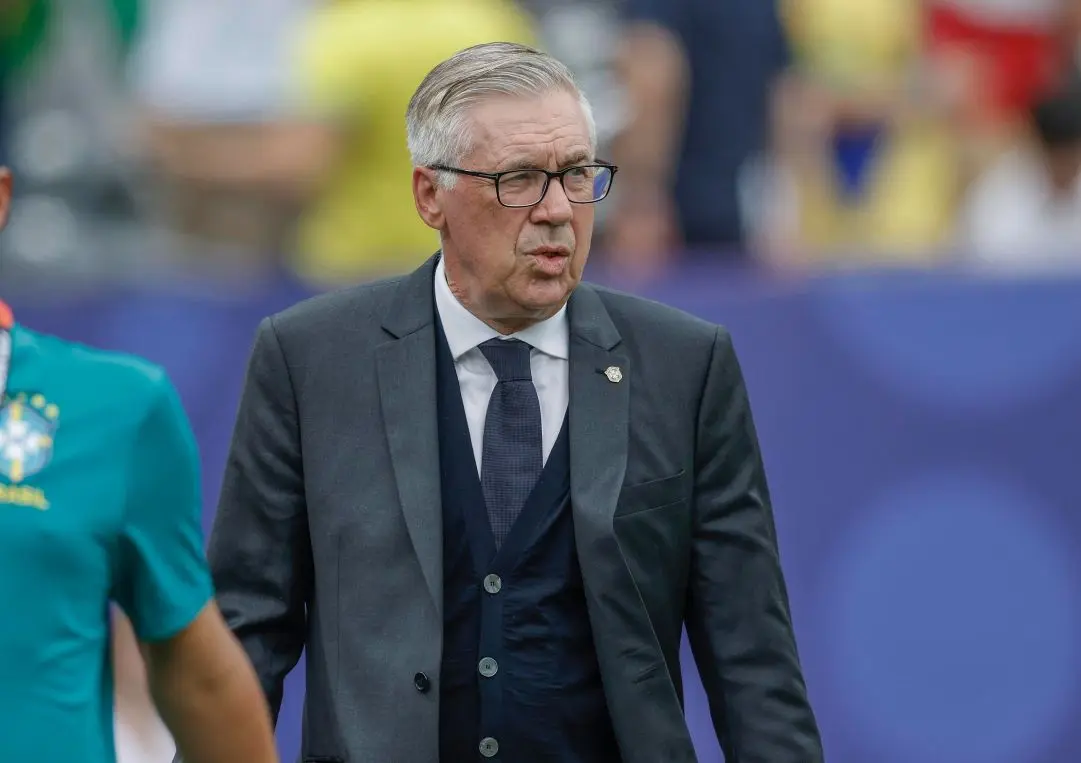
In a management review carried out on Tuesday, July 14, 2026, the Brazilian Football Confederation (CBF) hosted a meeting at its headquarters in Barra da Tijuca, Rio de Janeiro. The meeting was attended by president Samir Xaud and represented by the men’s team by director Rodrigo Caetano, in addition to the participation of CBF directors and presidents of state federations.
During the event, the CBF released in an official statement its main targets for the cycle that extends to 2030, focusing on significant achievements. The entity set its goals to win the 2028 Copa América and ensure classification in the World Cup Qualifiers.
On the same topic: The future of the Brazilian team: analysis of Ancelotti’s stay, returns and the cycle for the 2030 World Cup
Rodrigo Caetano, director of football, presented a detailed overview of the team’s preparation, which included the 13 months of work since the arrival of coach Carlo Ancelotti. The Italian coach, who was on vacation in Canada, did not attend the meeting. The explanation addressed the team’s recent performance at the World Cup, which resulted in Brazil’s worst campaign since 1990, with the team finishing in 11th place, the second worst historical position in the country, a fact that highlights the challenge of the ambitious goals set.
The women’s team’s plans for the 2027 World Cup
At the same meeting, Arthur Elias, coach of the women’s team, presented the strategies for the 2027 World Cup, which will be hosted in Brazil for the first time. The Brazilian Football Confederation informed that the preparation will include four FIFA dates, scheduled between October 2026 and April 2027, with high-level friendlies already scheduled, with duels against Japan scheduled for the end of the year, and other opponents yet to be confirmed.
See Also

Strong coastal tremor hits Flores Island and triggers emergency sirens in Indonesia
7.7 magnitude earthquake shakes Indonesia and triggers tsunami warning in the east of the country

Preparation for asteroid impact: NASA expert highlights the urgency of planetary defense
More on this story: The Brazilian team’s path to the 2026 World Cup avoids Spain, France or Germany in the knockout stages
The meeting also served as a moment of accountability for the current management of the CBF. Progress in reforming the sports calendar and the formation of new working groups dedicated to Financial Fair Play, improving arbitration and developing the youth categories were highlighted.
President Samir Xaud commented on the recent results, stating that the expectation for the Men’s World Cup was for a more positive performance. However, he emphasized the importance of highlighting the continuous efforts and integrated work that has been developed in the youth categories, both for the men’s and women’s teams, signaling a turning point and the concentration of efforts now on the Women’s World Cup, in addition to planning for the 2030 cycle.