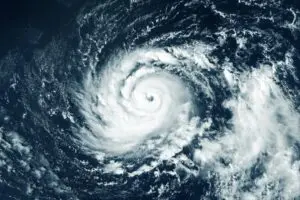
Chile on high alert: state of emergency declared by strong El Niño weather front

The Chilean government declared, on Monday, July 13, 2026, a state of preventive emergency in ten of its regions. The measure was taken due to the forecast of a severe frontal system, intensified by the presence of the El Niño phenomenon, which promises to bring torrential rain and strong winds to the country.
Chilean authorities are seeking to mitigate the impacts of a climate event that is expected to be of great intensity. The public has been advised to follow safety guidelines and preparations are underway to protect the most vulnerable areas.
Main affected regions and forecast of extreme rains
More on this story: Typhoon Dolphin causes flooding in Yuhuan, China, after traveling more than 6 thousand km
Chile’s Meteorological Directorate has warned that the cold front will affect a vast area, stretching from the Atacama region in the south to the Los Lagos region, with rain expected between Tuesday, July 14, and Saturday, July 18. The metropolitan areas of Santiago, Valparaíso and Coquimbo are under the most serious alert.
In these locations, rainfall accumulation of up to 180 millimeters is expected in a concentrated period. Such volume of water raises significant concerns about flooding and landslides, especially in urban and riverside areas.
Understand the influence of the El Niño phenomenon on climate conditions
El Niño, a natural climate phenomenon characterized by the warming of the waters of the equatorial Pacific Ocean, often amplifies the intensity of meteorological events in different parts of the globe, including Chile. In particular, its actions can increase the occurrence of heavy rain and winds, affecting climate patterns in South America.
See Also

Michigan serial killings result in six deaths, including US suspect

7.7 magnitude earthquake destroys buildings in Indonesia and triggers tsunami warning
Videos of the 7.7 earthquake in Indonesia reveal damage and panic in Asia
This influence manifests itself in a greater frequency and strength of frontal systems, making storms more destructive. The rise in sea surface temperatures contributes to the formation of heavier clouds and more voluminous precipitation than usual, justifying the urgency of preventive actions.
Government recommendations and essential prevention measures
To ensure the safety of the population, the Chilean government issued a series of practical recommendations. The main one is the preparation of a “bad weather emergency kit”, essential to face possible service interruptions or the need for evacuation.
- Enough drinking water for a few days
- Flashlight and extra batteries
- Cash for unforeseen events
- Identification documents and other important papers
- Non-perishable foods
- Medications for continuous use
What does the preventive state of emergency mean for the population?
The declaration of a preventive state of emergency gives authorities greater autonomy to mobilize resources and make quick decisions in favor of public safety. This includes the possibility of relocating rescue teams, suspending services and even carrying out compulsory evacuations if necessary. For citizens, the measure means the need to stay informed through official channels and strictly follow all guidelines.
Learn more: Southern United States faces flood warning for 15 million people
It is a legal mechanism that accelerates the State’s response capacity to imminent catastrophes. The focus is on anticipating problems, allowing the government to act more efficiently before impacts become uncontrollable, protecting lives and property.
Suspension of activities and actions of the president in Santiago
Amid the alert scenario, several regions of the country, including Biobío, announced the suspension of classes, aiming to protect students and education professionals. The measure aims to avoid dangerous travel during the peak of rain and winds.
On Tuesday, President José Antonio Kast visited critical points in Santiago, where teams are working to prevent overflows. Efforts are focused, for example, on the Quebrada Ramón canal, an area known for its risk of flooding. The preventive emergency will remain in force until July 21st.