Fortnite launches bold summer skins inspired by Marvel Rivals, changing the game’s standard
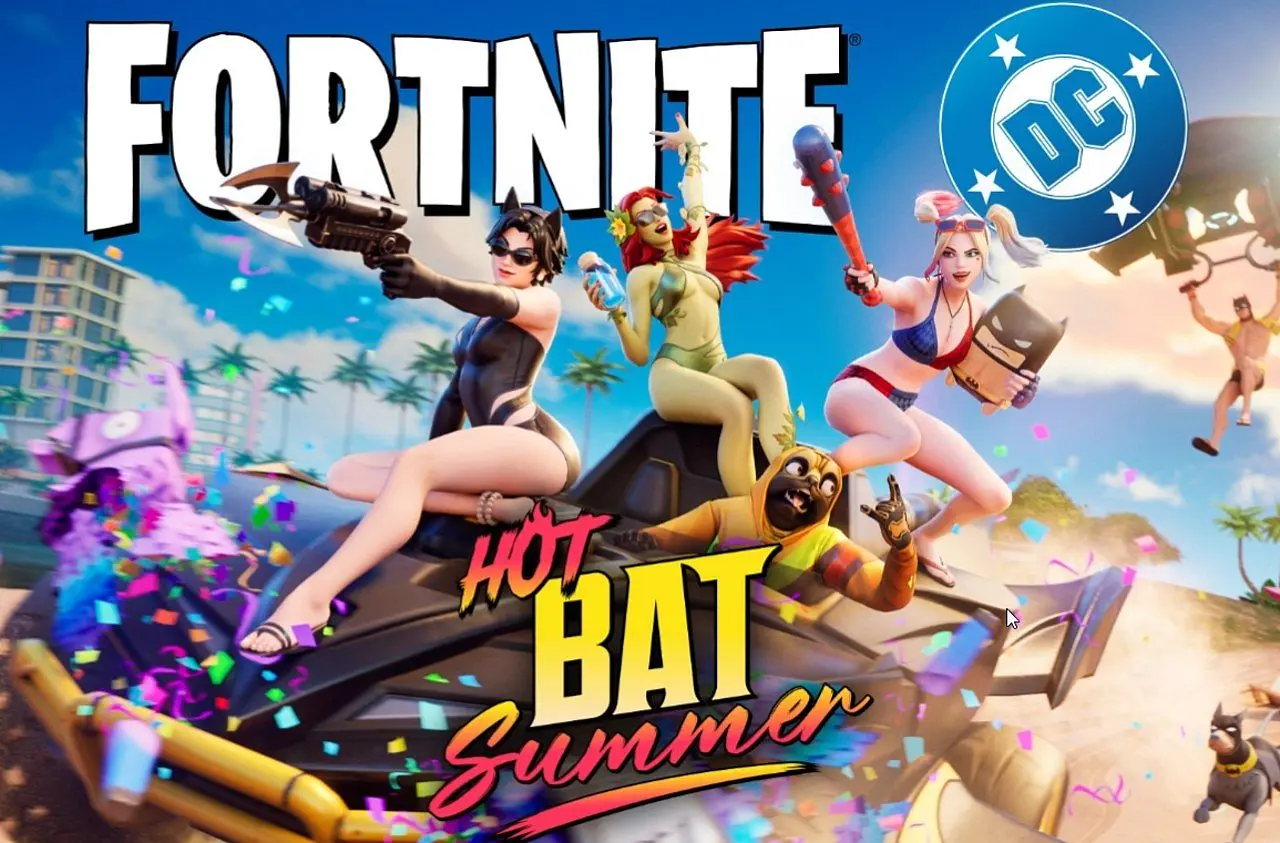
Fortnite, the popular battle royale from Epic Games, recently announced a new update that generated a lot of discussion among the gaming community. Named “Hot Bat Summer”, the new feature brings a set of visuals that surprised many due to their bolder approach.
This new wave of cosmetic items features a style that some players consider more provocative than usual for the game, causing thousands of people to pay extra attention.
The DC Comics characters receiving these new appearances are Batman, Harley Quinn, Catwoman and Poison Ivy, all of whom are now available in swimsuits or beach-themed clothing.
More on this story: Fortnite adds Spider-Man and Punisher skins in new update
The collaboration between Fortnite and DC Comics, with these design choices, quickly went viral on the networks, leading many to speculate about the beginning of a new phase in the game’s universe, informally dubbed the “gooning era” by fans.
How inspiration from Marvel Rivals drove new skins for Fortnite
The additions of skins considered more daring to Fortnite’s item store have generated intense comparisons with Marvel Rivals, another free title that has also gained prominence online. While Marvel Rivals has not yet achieved the same magnitude of success as Fortnite, it does demonstrate potential for growth.
Learn more: New DC summer skins arrive in Fortnite: see date and price
Since its release, Marvel Rivals has gained notoriety for a series of cosmetic items that many consider to be of questionable taste, featuring characters like Captain America in suggestive poses and a collection of “summer” clothing that appears designed to specifically appeal to the male gaze.
Often, this design strategy results in significant controversy. Although superheroes are a topic that appeals to all ages, much of the target audience for this content tends to be younger.
See Also

Michigan serial killings result in six deaths, including US suspect

7.7 magnitude earthquake destroys buildings in Indonesia and triggers tsunami warning
Videos of the 7.7 earthquake in Indonesia reveal damage and panic in Asia
It’s gonna be a Hot Bat Summer 🥵 pic.twitter.com/7Zx8L4O1ZQ
— Fortnite (@Fortnite) July 14, 2026
Marvel Rivals, in turn, can justify this approach as it is a competitive multiplayer shooter, developed for an audience of teenagers and adults. Its game mechanics and balance are aimed at this age group, and the title is full of microtransactions that most children would not be able to acquire without parental supervision.
On the same topic: Fortnite receives the Summer Vacation Collection with new looks from Catwoman and Harley Quinn
However, Fortnite, on the other hand, is widely recognized for having a child audience as its main focus, which makes this latest set of skins a curious and unusual decision for the game.
Poison Ivy’s outfit, in particular, is highlighted as one of the most extreme examples of this new direction, being a look that would fit perfectly in a Marvel Rivals lobby.
This change is even more notable considering Epic Games’ strict history of censoring content in its games. The company has always sought to maintain a more family-friendly environment.
A notable example is the case of singer Sabrina Carpenter. When she was introduced as an icon in the game, one of her skins was modified with the addition of white socks to her classic bodysuit, precisely to mitigate any connotation considered too provocative.
More on this story: New Spider-Man costume in Fortnite draws comparison with Marvel’s Spider-Man 2 visuals
The rigidity of the guidelines began to give way when a Kim Kardashian skin arrived in the game’s item store, receiving a lot of criticism from players about the design choices. On reflection, this release may have been a turning point, convincing Epic Games of the profit potential in adult-themed apparel options.
It will be crucial to watch the reception and commercial performance of these new DC Comics skins once players start purchasing them this week.
If these new skins prove to be a sales success, they could set a precedent for future releases, which could create challenges for Epic Games in the future, especially if the gaming community begins to express discontent with the direction of the content.