On August 12, the Moon will obscure the Sun in a rare total solar eclipse visible in the Atlantic
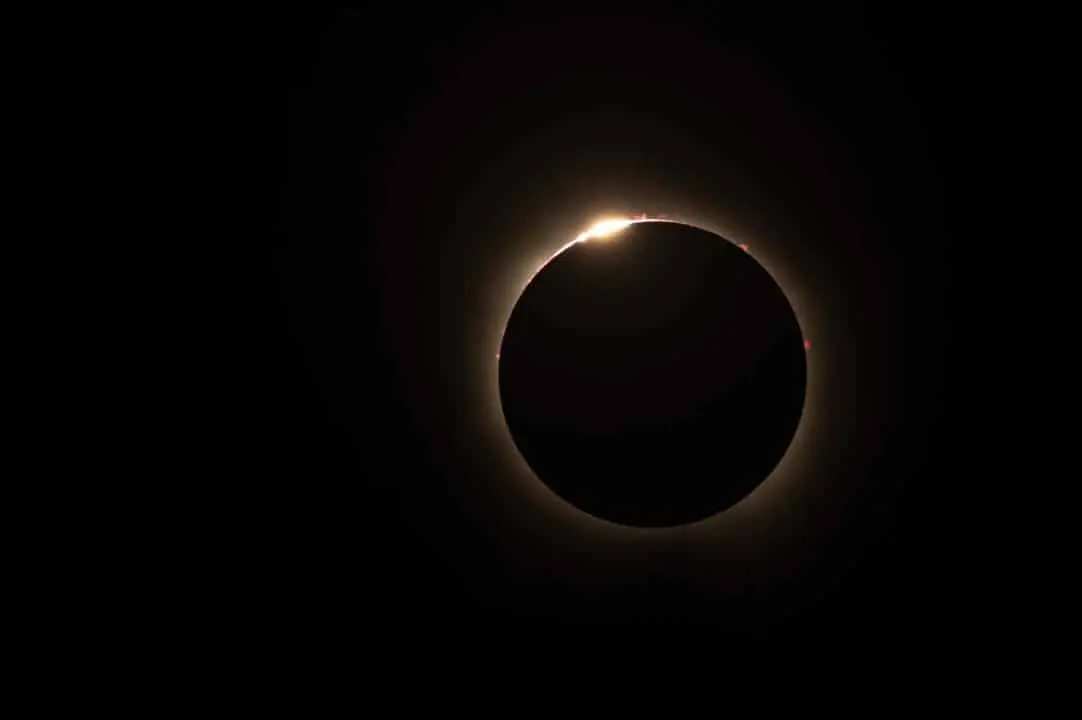
On August 12th, different parts of the world will witness a unique astronomical event. A total solar eclipse is scheduled for this date and, according to the North American Space Agency (Nasa), viewing will be possible in regions such as Greenland, Iceland, northern Russia, the Atlantic Ocean, Spain and a small area of Portugal. It is important to highlight that the phenomenon will not be observable in Brazilian territory.
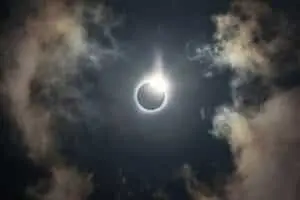
During a total solar eclipse, the Moon positions itself between the Earth and the Sun, blocking the light from our central star. In locations where the event will be complete, the expected duration of obscuration is just under two and a half minutes.
On the same topic: Understand the total solar eclipse of August 12, the first in two decades
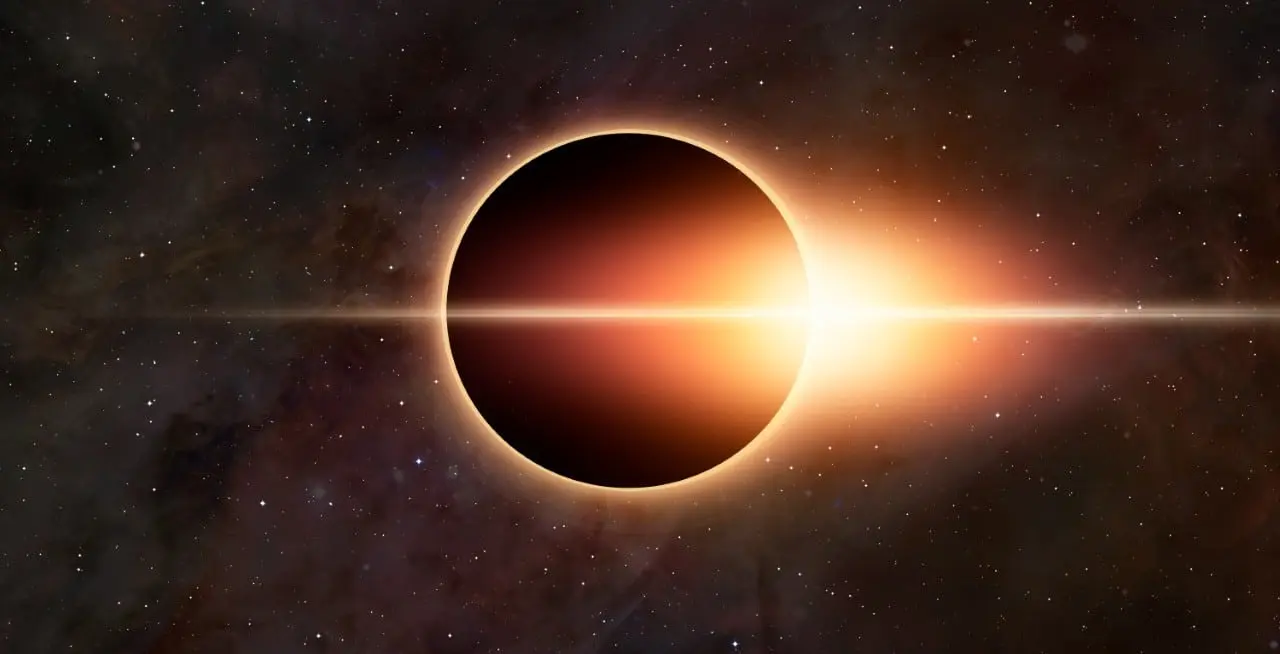
Understanding how a solar eclipse happens
In this phenomenon, the Moon partially blocks the sun’s rays, projecting its shadow onto the Earth’s surface.
More on this story: Total solar eclipse on August 12 promises celestial spectacle; know places of visibility
See Also

Michigan serial killings result in six deaths, including US suspect

7.7 magnitude earthquake destroys buildings in Indonesia and triggers tsunami warning
Videos of the 7.7 earthquake in Indonesia reveal damage and panic in Asia
- Total solar eclipses occur, on average, every eighteen months in some location on the planet. However, for a specific geographic point, the average interval between each occurrence is approximately 375 years, which highlights the rarity of witnessing such a spectacle.
- In addition to total eclipses, there are partial eclipses, where only a part of the solar disk is covered. This type of event is more common and occurs more frequently.
The next opportunity to observe a total solar eclipse in some part of Brazil is scheduled for January 16, 2075. The expectation is that parts of the states of Paraná, São Paulo and Minas Gerais will be completely dark for around two minutes on that day.
In contrast, regions such as the northern United States, much of Canada and Europe, as well as northwest Africa, may experience a partial version of the phenomenon. This happens when the Moon cannot completely cover the Sun, causing the star to appear in a half-moon shape.
To safely observe the eclipse, it is essential to use specialized glasses during the partial phases. Anyone planning to use binoculars or telescopes must attach special filters, as the sun’s rays can cause severe damage to the eyes. Only in the totality phase, when the Moon entirely covers the Sun’s light, is it safe to remove protections.