Fire risk causes BYD to recall nearly 90,000 hybrid vehicles in China
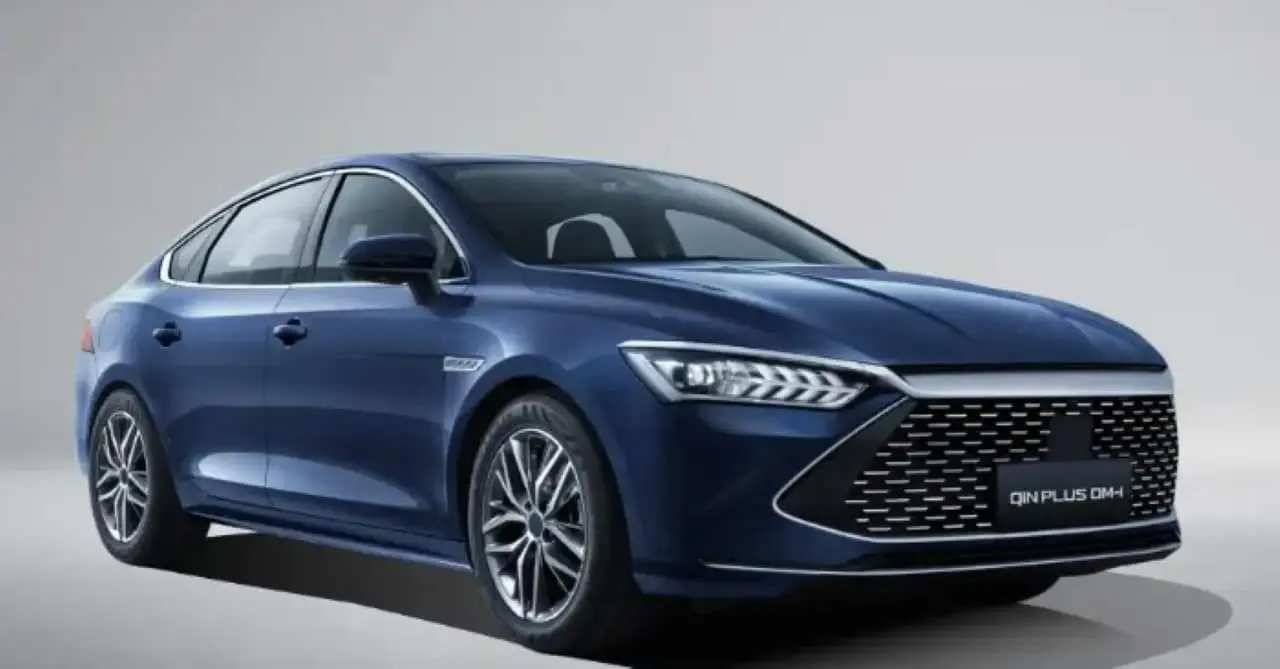
Asian automaker BYD has announced a major recall campaign involving nearly 90,000 units of its popular Qin Plus DM-i plug-in hybrid model in the Chinese market. The central reason for this mass mobilization is linked to a manufacturing defect in the energy storage assembly, which can result in short circuits and, consequently, create a real danger of combustion for the occupants.
The cars affected by this preventive measure left the assembly lines between January 2021 and September 2023. According to official statements, the failure resides specifically in the components of the power pack’s internal controller, where premature wear or inadequate assembly can rupture the electrical insulation, drastically increasing the chances of an uncontrolled thermal event.
The entire operation is being closely supervised by the State Administration for Market Regulation (SAMR), China’s main supervisory body. Government intervention occurs in advance, with the clear objective of mitigating any threat to the physical integrity of drivers and passengers before serious incidents are recorded on the country’s public roads.
Understand how power module failure can start a fire
In-depth analysis revealed that there is a critical inconsistency in the assembly process of high-voltage controllers. Over time and with normal vibrations from daily use, internal parts can suffer millimetric displacements, generating undue contact. It is precisely this unplanned friction that, during recharge cycles or intense acceleration, creates the perfect environment for a short circuit in the lithium-ion cells.
When this anomalous electrical contact occurs, the accumulated energy is released violently, causing a chemical phenomenon known as thermal runaway, where heat generates even more heat in an uncontrollable way. Because the original electronic management system (BMS) may fail to detect this anomaly in its early stages, the physical structure of the battery ends up melting, resulting in flames that are difficult to put out using traditional firefighting methods.
BYD automaker’s strategy to resolve the defect in hybrid cars
To stop the problem immediately, the manufacturer outlined an action plan that starts in the digital environment. The first step is to send a remote software update (OTA) to all listed vehicles, modifying the management system’s reading parameters. This new programming code makes the sensors much more sensitive to small variations in resistance, allowing the onboard computer to alert the driver before overheating begins.
Learn more: Lithium battery failure causes BYD to recall nearly 90,000 cars for repair in China
However, virtual repair only acts as a temporary containment barrier. The final resolution requires owners to take their cars to an authorized dealership, where specialized mechanics will carry out a complete physical scan of the power modules to certify the integrity of the connectors.
If technicians identify any sign of degradation or imminent risk during the in-person inspection, the company undertakes to replace the entire set of batteries without passing on any costs to the customer. This aggressive stance of full replacement aims to protect the reputation of the Qin Plus DM-i, one of the brand’s sales pillars in the competitive Asian market.
Recent recall history exposes challenges in BYD’s production line
The current stumble in quality comes at a time of extreme expansion for the company, which recently surpassed Tesla in global sales volume of electrified vehicles in specific quarters. However, the dizzying increase in manufacturing rates appears to be taking its toll, as Chinese authorities have stepped up scrutiny of the brand’s industrial processes following a string of security calls.
In the month of October alone, the same manufacturer had to recall more than 115 thousand units of Tang DM-i and Yuan Pro sports utility vehicles. On that occasion, the red alert was also triggered due to vulnerabilities in the high voltage system, which presented a similar risk of spontaneous combustion due to insulation failures.
More on this story: BYD automaker announces recall of 89,000 cars in China due to serious lithium battery failure
See Also

Michigan serial killings result in six deaths, including US suspect

7.7 magnitude earthquake destroys buildings in Indonesia and triggers tsunami warning
Videos of the 7.7 earthquake in Indonesia reveal damage and panic in Asia
Months before this episode, another serious defect forced the return of 97 thousand copies of the Dolphin and Yuan Plus models to the workshops. The diagnosis pointed to a failure in the electric steering assistance motor, which could suddenly stop working while the car was moving, requiring excessive force from the driver and multiplying the chances of collisions on highways.
This succession of mass repairs highlights a transparent effort by the corporation to admit its structural errors, but simultaneously raises a warning signal for investors. The industry’s current great dilemma is being able to balance the hunger for breaking monthly delivery records with the non-negotiable need to maintain strict quality control in factories.
Pressure from the Chinese government forces greater rigor in tram safety
SAMR’s close look at these cases reflects state policy, as the energy transition is treated as a geopolitical asset by Beijing. The regulatory body has established draconian guidelines for the approval of energy accumulators, ensuring that commercial haste does not undermine consumer safety. The agency requires that technological innovations pass increasingly severe stress tests before hitting the streets.
On the same topic: Battery defect leads to recall of almost 90 thousand BYD vehicles in the Chinese market
Generally, the automaker itself notifies the agency about the anomaly, which then takes charge of the investigations and dictates the pace and obligation of corrections nationwide. This rigorous oversight process serves to ensure that companies not only sell the vehicles, but also take full responsibility for the life cycle and ongoing safety of their products.
Fundamental guidelines for drivers of the Qin Plus DM-i model
Anyone who owns one of the almost 90,000 cars listed in the official bulletin doesn’t have to wait long to be contacted. Communication is being actively triggered through the following channels, instructing the immediate scheduling of a technical visit:
- Direct messages in the automaker’s official app;
- E-mails sent to the addresses registered at the time of purchase;
- Notifications sent via the WeChat messaging platform.
While the vehicle is not being screened by mechanics, the express recommendation is to pay extra attention to any warning on the instrument panel and avoid using very high power chargers. To resolve doubts quickly, customers can enter the chassis identification number (VIN) on the company’s portal and confirm whether their lot is part of the risk zone.
Search for greater autonomy increases chemical risks in the automotive industry
The Achilles heel of the sustainable revolution on wheels continues to be the stability of chemical compounds. In the frantic race to offer smaller batteries that guarantee longer trips, energy density has been raised to extreme levels, which reduces the margin of error for any engineering failure. This scenario requires assembly lines to adopt precision standards comparable to those of the aerospace industry.
Step by step to schedule free repair at dealerships
The response task force is already operating at full capacity to absorb the sudden demand. It is essential to highlight that the entire solution package, from simple software calibration to the eventual replacement of the power module, which would cost thousands of dollars, will be fully paid for by the manufacturer, without bureaucracy for the end user.
More on this story: Battery failure causes BYD to recall almost 89,000 Qin Plus units in China
In addition to digital channels, an exclusive telephone center was set up to guide older drivers or those unfamiliar with the internet. The head office sent a strict circular to the entire franchisee network, demanding that the cars involved in this campaign have absolute priority in the service pits, ensuring that disruption to families’ routines is as minor as possible and repairs occur quickly.