Climate change drives risk of dengue and chikungunya outbreak in Brazil
The abnormal warming of the waters of the Pacific Ocean will have direct consequences for the Brazilian public health infrastructure in the coming months. A technical note released on July 23, 2026 by the federal government points to a significant increase in infections transmitted by biological vectors. The combination of extreme heat and irregular rainfall creates the perfect scenario for insects to multiply rapidly in urban and rural areas. Faced with this imminent climate threat, epidemiology experts are already drawing up contingency plans to prevent the collapse of medical and hospital care networks.
Alarming projections point to millions of people being infected next year
Researchers linked to the InfoDengue system, managed by the Oswaldo Cruz Foundation, have designed an extremely worrying mathematical model for the near future. Statistical data indicate that the national territory can record up to 1.7 million positive diagnoses for breakbone fever alone. This massive volume of patients will require complex logistics of intravenous hydration and admission to emergency care units across the country. The survey serves as a strategic guide for public managers to stock basic supplies and prepare beds well in advance.
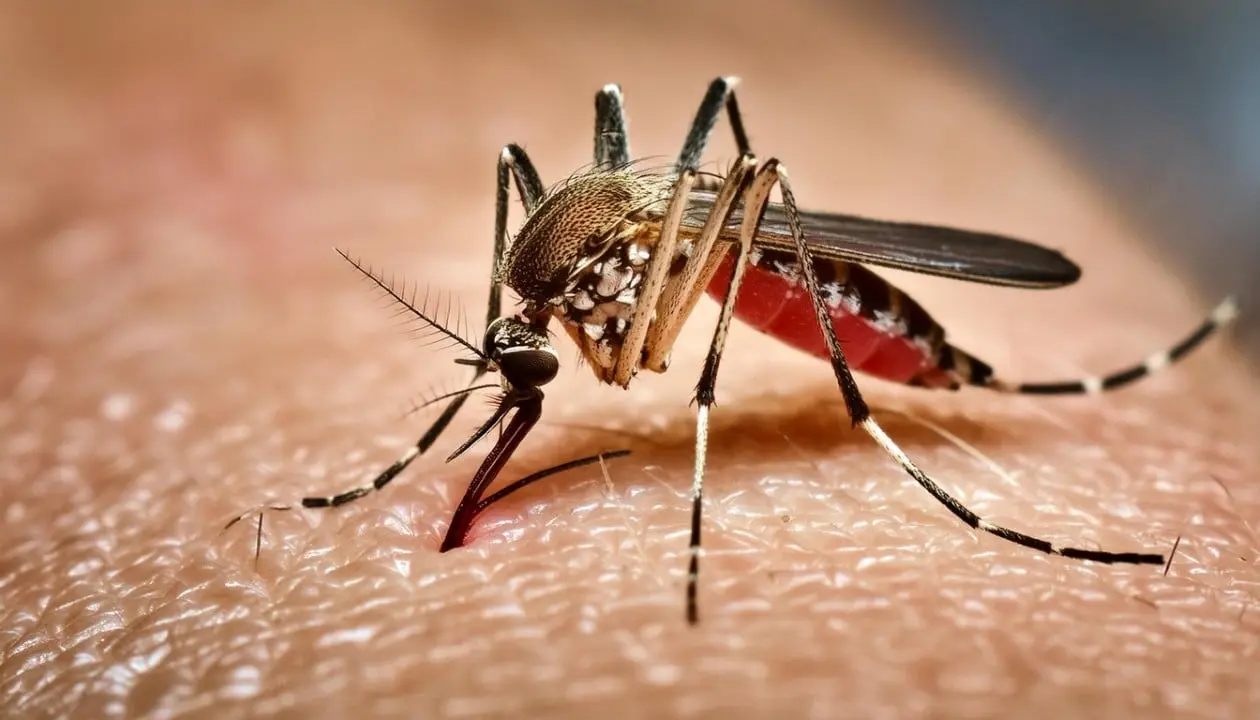
Historically, years under the strong influence of climate anomalies tend to break negative records for hospitalizations. The intense heat accelerates the insect’s reproductive cycle, causing the larva to transform into an adult specimen in a much shorter window of time. At the same time, the pathogen replicates more quickly within the vector’s organism, increasing the viral load transmitted during the bite. This biological dynamic reduces the response time of health authorities between the emergence of the first patient and the explosion of a local outbreak.
How changes in climate favor the reproduction of Aedes aegypti
The meteorological dynamics expected for the second half of the year completely alter the water regime in several Brazilian regions. While some areas will suffer from torrential storms that flood land and fill abandoned containers, others will face severe and prolonged droughts. During drought, the population tends to store drinking water in barrels, buckets and improvised water tanks, which are often left uncovered due to lack of information. Both situations offer ideal and plentiful nurseries for females to safely lay their eggs.
Learn more: Government releases 40 free sanitary pads at Farmácia Popular; know how to rescue
In addition to the traditional transmitter of urban yellow fever, environmental imbalance also directly affects the proliferation of ticks and other parasites. These arachnids find dry vegetation and high temperatures a suitable environment to look for new hosts in parks and pasture areas. Health authorities observe this wild movement with extreme caution, as the overlap of different simultaneous epidemics makes initial clinical diagnosis at screening stations difficult.
Containment strategies required of city halls and state governments
The Ministry of Health ordered local departments to change their approach to combating outbreaks immediately and aggressively. The main order is not to wait for lengthy laboratory confirmation to initiate chemical blockade on streets where community contamination is suspected. Endemic disease agents will need to remap the most socially vulnerable neighborhoods and intensify home visits, focusing on the mechanical elimination of breeding sites. Field work becomes extremely urgent before the arrival of summer.
The federal ministry also authorized the use of new technological tools to control the population of flying insects. More modern insecticide dispersion equipment, biological larvicides and real-time monitoring traps must be incorporated into the routine of zoonosis teams. The success of this national task force directly depends on bureaucratic agility in hiring temporary staff and purchasing personal protective equipment for frontline workers.
See Also

Court condemns MC Ryan SP for copyright infringement on 34 songs and imposes fine

Motorola razr fold impresses by being lighter than iPhone 17 Pro Max

Singer Robbie Williams reveals autism diagnosis and finds relief in new perspective
Popular participation and rapid identification of symptoms
No public policy can eliminate environmental risks without the direct and daily engagement of residents. Weekly inspections of backyards, gutters, slabs and service areas continue to be the cheapest and most efficient protection barrier available to society. The accumulation of domestic waste and the irregular disposal of rubble in vacant lots completely nullify the efforts of urban cleaning teams. Shared responsibility is the only viable way to slow the contagion curve.
On the same topic: El Niño: climate phenomenon raises alarm for explosion of mosquito infections in the country
Early diagnosis prevents the worsening of the clinical picture and drastically reduces the fatality rate of infections. Doctors recommend that self-medication be strictly avoided, especially the use of common anti-inflammatories that can trigger serious internal bleeding. The official protocol establishes clear and objective steps for anyone who suspects they have contracted one of the circulating viruses.
- Inspect drains, plant pots, bottles and gutters at least once a week to eliminate any residual puddles.
- See a basic health unit if you notice a sudden high fever, intense pain behind the eyes and red spots on the body.
- Maintain absolute rest and begin intense oral hydration with water, teas and homemade serum even before medical evaluation.
Expansion of other viral diseases worries infectious disease specialists
The federal government’s radar is not restricted to the most well-known and debated illnesses among the general public. Oropouche fever, transmitted by the tiny sandfly, has shown surprising adaptability in urban areas very far from the Amazon region. The physical symptoms are easily confused with those of classic dengue, requiring specific and expensive molecular tests to confirm the exact agent causing the disease. This clinical similarity places a burden on central public health laboratories.
The Zika virus also returns to the center of medical discussions due to its devastating neurological impact on the formation of fetuses. The traumatic memory of the epidemic that caused thousands of cases of microcephaly in the past decade forces the public system to reinforce prenatal care in all areas of care. Continuous monitoring of these invisible threats defines the country’s degree of structural preparedness to face the direct consequences of global warming in the population’s daily lives.
More on this story: How the public health system structures free care for nicotine addicts