New iPhone 18 Pro manufacturing process corrects flaws in aluminum
The North American manufacturer focuses its efforts on developing new assembly techniques to ensure that the future generation of cutting-edge cell phones, including the most expensive variants of the next cycle, deliver structural resistance far superior to what was seen in previous generations.
The return to the use of aluminum alloys in the previous generation’s casing occurred as a double tactic to reduce costs and improve internal cooling, but the material presented significant vulnerabilities. Consumers reported a worrying ease of dents during physical impacts, in addition to chemical reactions that destroyed the original paint on the metal chassis.

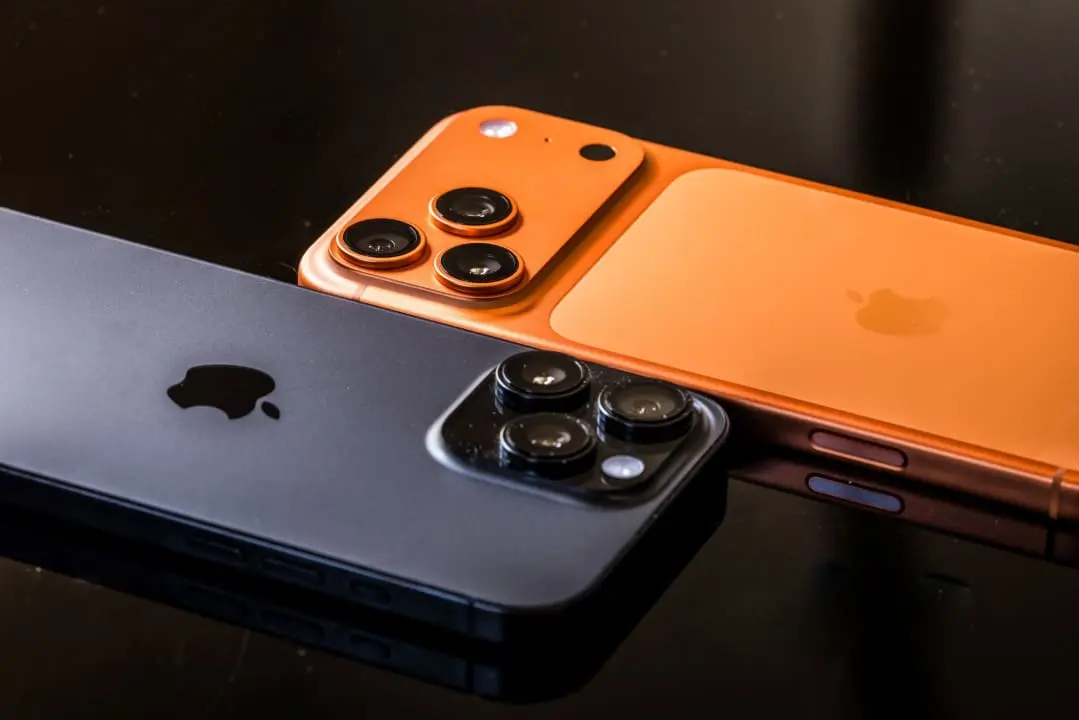
One of the most emblematic cases of this chemical degradation showed a newly purchased device losing its factory tone and taking on aggressive stains in orange and pink tones due to contact with sweat and the environment.
More on this story: Rumors point to the arrival of Apple’s first foldable cell phone and the new look of the Pro line
To overcome this negative scenario, the California-based company developed an unprecedented surface treatment method that promises to shield the metal against any type of corrosion. This technical change strengthens the density of the alloy, ensuring that the phone’s appearance remains intact for years, which directly meets the durability requirement of those paying the highest prices in the technology market.
Industry insider known as yeux1122 revealed that the new anodizing and material preparation technique consumes considerably less electrical energy in factories. The flexibility of the system allows production conveyors to be stopped and resumed without batches of metal being processed needing to be discarded, optimizing industrial performance.
Analyzing the engineering behind the novelty, the brand’s laboratories managed to reduce the temperature necessary to melt and shape the metallic alloy. The procedure also blocks the accumulation of unwanted residues in electrical molding equipment, resulting in a flawless external texture free from microscopic imperfections.
The insistence on aluminum goes far beyond aesthetics, functioning as a fundamental piece for the device’s thermal engineering, as this element conducts heat considerably faster than the stainless steel or titanium adopted in years past.
See Also

Michigan serial killings result in six deaths, including US suspect

7.7 magnitude earthquake destroys buildings in Indonesia and triggers tsunami warning
Videos of the 7.7 earthquake in Indonesia reveal damage and panic in Asia
This ability to throw heat out of the housing is what will allow the future A20 Pro processor to run complex artificial intelligence tasks and heavy games without suffering sudden drops in performance due to overheating.
As usual in its market strategy, the apple giant does not issue any official comments on projects that are still in the testing phase in development laboratories.
Learn more: Changes at Apple divide the launch of the iPhone 18 and bring an unprecedented chip
Asian supply chain experts point out that the success of this new alloy will make the material the definitive standard for the brand’s entire luxury portfolio, including the company’s highly anticipated foldable cell phone. Standardization would eliminate the need to import and machine noble metals that make the assembly line more expensive.
In practice, this evolution in materials laboratories decrees the definitive end of any plan to reinsert titanium in the company’s next generations of smartphones.
Main leaked specifications about the hardware of Apple’s future smartphone
The technology market has already compiled a robust list of components that should be included in the technical specifications of the next high-end device:
- 6.4-inch Super Retina XDR OLED screen operating at 120 Hz fluidity rate.
- Processing driven by Apple A20 Pro silicon.
- Internal storage options reaching the 1 TB mark.
- RAM memory expanded to 12 GB, focused on multitasking.
- 18 MP selfie camera equipped with intelligent autofocus.
- Main photographic module composed of three distinct sensors:
The rear optical assembly must house a 48 MP main lens with variable light aperture and mechanical stabilization in the sensor itself. The package is completed with a 48 MP periscopic zoom lens and an ultra-wide angle camera also boasting 48 MP resolution.
- Total protection against diving in water and dust guaranteed by the IP68 standard.
- Reduced interactive notch, hiding the facial biometrics sensors under the light panel.
- Apple C2 network component to ensure 5G communication and messaging via satellite.
- Battery cell with 4,252 mAh capacity and recharge limited to 25W of power.
- User interface controlled by the iOS 27 operating system.