

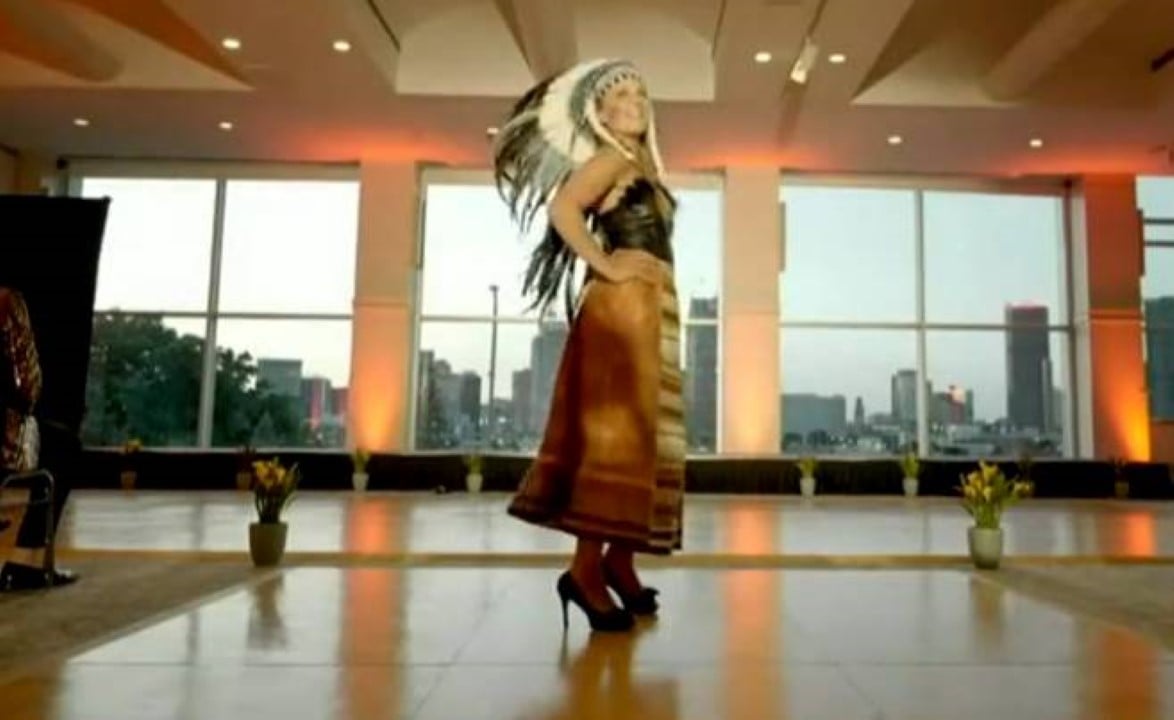
A significant controversy has emerged during the Miss Universe Canada competition, which is currently underway in the province of Ontario. Two participants were criticized after presenting themselves in clothes that resembled indigenous clothing in the event’s typical costume section, generating a broad debate about cultural appropriation and respect for traditions.
Costumes that evoke indigenous culture generate debate in the competition
The two contestants’ choice to display clothes that resemble ceremonial or representative costumes of indigenous peoples provoked a wave of discontent and discussions. On social media and among activist groups, the use of these pieces by people who do not belong to these communities was promptly questioned, raising concerns about authenticity and respect.
Understanding cultural appropriation in beauty pageants
Cultural appropriation occurs when elements of a minority or oppressed culture are adopted by members of a dominant culture without consent, understanding, or adequate recognition of the origin. In contexts like beauty pageants, this can be especially problematic for several reasons:
Full coverage: Latest News (EN)
- Commodification:Transform sacred or historical symbols into mere fashion accessories.
- Distortion of meaning:It removes the original context and deep cultural meaning of clothing.
- Deletion:It ignores the struggle and history of the people who created and maintain these traditions.
- Disrespect:It can be seen as a trivialization of complex identities and inheritances.
It is a phenomenon that reflects an imbalance of power, where the dominant culture appropriates it without facing the same oppressions or challenges faced by the original creators.
The difference between inspiration and misappropriation
The discussion around cultural appropriation is often confused with the concept of inspiration. However, there is a fine line that separates respectful cultural exchange from misappropriation. The difference lies in the way the cultural element is used, in intentionality, in recognition of origin and, crucially, in consent and collaboration. For inspiration to be ethical, it is essential that there is:
- Consultation and permission from culture holders.
- Deep understanding of the meaning and context of the piece or symbol.
- Adequate credit and appreciation of original peoples.
- Avoid stereotypes or superficial representations.
When these precautions are not taken, the action can become a form of cultural exploitation.
Repercussion and the importance of continuous dialogue
The negative reaction to the costumes at Miss Universe Canada raises a warning about the need for greater cultural sensitivity at high-visibility events. The controversy serves as a reminder that clothing and representation choices have a real impact and can create discomfort and pain for affected communities. These incidents reinforce the importance of open and ongoing dialogue about cultural respect and ethical representation in all public spheres.
Reflections on representation on beauty stages
The incident at Miss Universe Canada also encourages a broader reflection on representation on the beauty stage. Many question why, instead of resorting to appropriation, pageants do not invest in authentic forms of representation, ensuring that indigenous women themselves have platforms to showcase their cultures with dignity and authenticity. This would include everything from the participation of more indigenous candidates to the creation of categories that celebrate their traditions in a respectful and legitimate way.