Chinese humanoid robots are banned in the United States due to security flaws
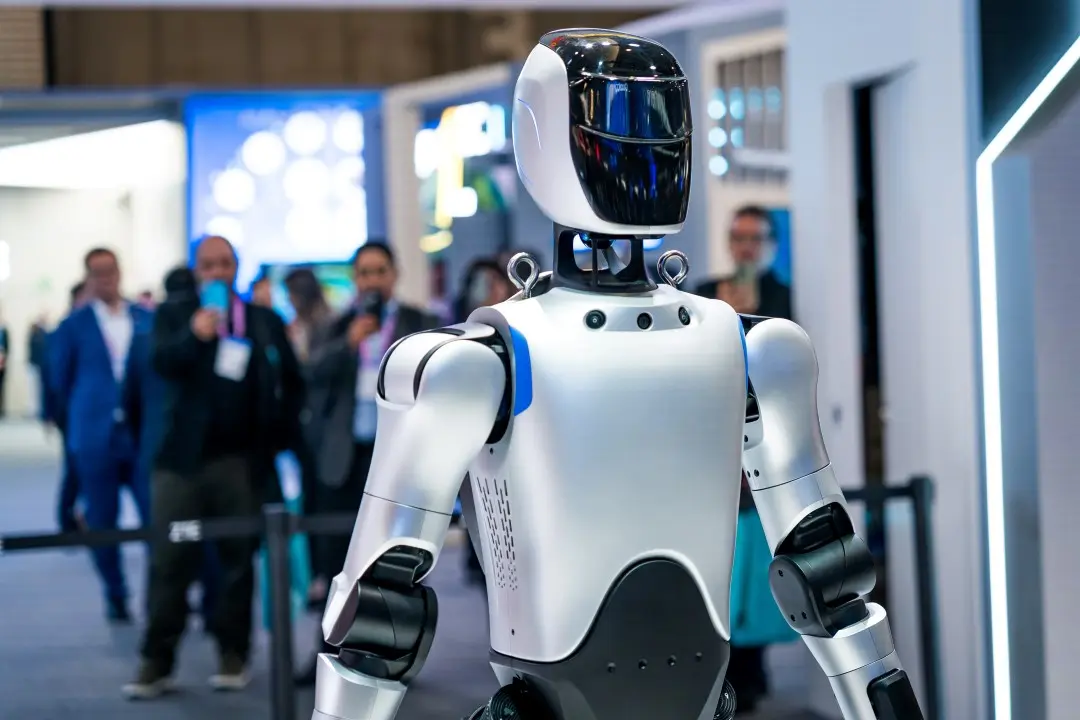
The United States Federal Communications Commission (FCC) announced on July 28 a ban on humanoid robots produced in China. The measure specifically affects models such as the popular Unitree G1, which have been classified as a substantial risk to the country’s national security. The American regulatory agency justified the decision based on growing concerns about possible vulnerabilities that these devices could present, opening the door to malicious exploits.
Reasons for Restricting Robots and Security Risks
American authorities indicate that the rapid popularization of these devices on the market raises serious questions regarding the security of critical infrastructure and the privacy of citizens. The FCC detailed that humanoid robots may contain flaws that allow the improper collection of sensitive data, such as internal environmental information and facial recognition, or remote access to important computer systems. These capabilities could be used for industrial or government espionage, as well as acts of sabotage. The decision reflects a deepening of cyber concerns around technologies developed in nations considered rivals.
On the same topic: US government bars Chinese humanoid robots due to ‘unacceptable risk’ to national security
See Also

Michigan serial killings result in six deaths, including US suspect

7.7 magnitude earthquake destroys buildings in Indonesia and triggers tsunami warning
Videos of the 7.7 earthquake in Indonesia reveal damage and panic in Asia
Technology journalist Nick Robins-Early, in his analysis of the technological panorama, highlighted that the proliferation of this equipment in everyday life and in sensitive environments requires a preventive stance from authorities. For him, the advanced functionalities of robots, combined with data collection and storage policies by Chinese companies, create a significant threat vector that needs to be contained to protect American interests. Guaranteeing against potential cyber threats is seen as an essential pillar for maintaining the integrity of the national network and data.

Consequences of the ban for the technology sector
The ban imposed by the FCC not only directly impacts Chinese manufacturers and their exports, but also sends a clear message to the entire global robotics market. Companies involved in the development, manufacture or use of humanoid robots will need to carefully review their supply chains and the technologies incorporated. The expectation is that this measure will encourage innovation and the emergence of safer and more transparent solutions within the United States, as well as in partner countries, strengthening technological autonomy. This initiative is part of a broader context of commercial and technological frictions between Washington and Beijing, underlining the American determination to safeguard its strategic sectors against perceived risks.