Scientists discover seven new species of diamond frog in Madagascar after solving 12-year-old riddle
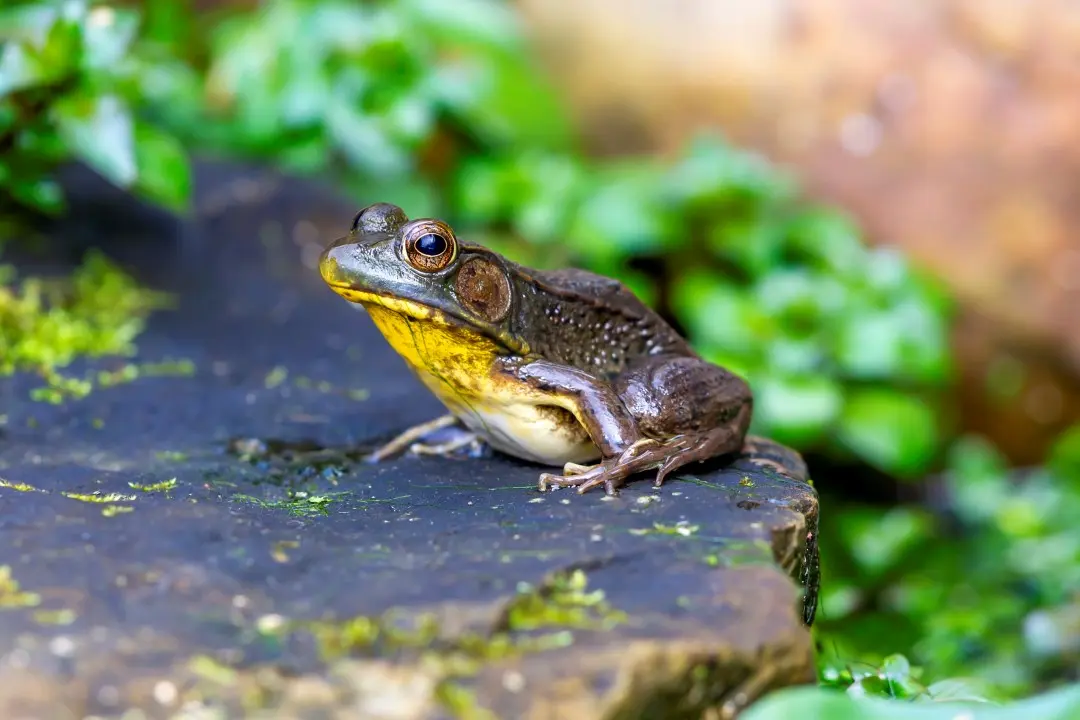
An international team of scientists has identified seven new species of frogs on an Indian Ocean island. The amphibians, known as diamond frogs, were found by a team of researchers on the island of Madagascar.
For scholars, this discovery in a region rich in biodiversity indicates that the island’s most enigmatic group of amphibians is more varied than previously imagined. The team explained that identifying the location and distinctiveness of these species is crucial to understanding biodiversity and ensuring its preservation.
The research used museum collections, fieldwork and detailed DNA analysis to uncover unknown diversity and solve a long-standing mystery. By elucidating the identity and area of occurrence of these difficult-to-locate amphibians, the study offers a solid foundation for future conservation actions in Madagascar’s forests, which are suffering from accelerated deforestation.
Danish Natural History Museum curator of herpetology and lead author of the study, Dr. Mark Scherz, said “diamond frogs have been hiding their diversity beneath our feet.” He added that “many species spend most of their lives under leaf litter, and even when they emerge, they can appear deceptively similar.”
How diamond frogs live hidden on the forest floor
Scherz explained that diamond frogs are some of Madagascar’s most unique amphibians. Dr. Scherz stated that “some species are remarkably round, resembling the rain frogs of continental Africa, and spend much of their lives hidden beneath the forest floor.”
Full coverage: Latest News (EN)
He added that “others are moss dwellers with long legs or terrestrial species with robust bodies.” The researcher added that, “although most appear brown at first glance, several hide orange spots or striking white or black markings on their thighs and lower backs, which may serve to scare off predators.” “These secretive habits make diamond frogs some of the least studied vertebrates in Madagascar,” he concluded.
How a scientific enigma lasted 12 years before being solved
The project began in 2014, when researchers repeatedly found frogs that appeared to be uncatalogued species. Identification of these frogs, however, proved challenging, as scientists were unable to connect the species’ historical names with their current genetic lineages.
See Also

Supposed Spider-Man: Into the Spider-Verse trailer causes uproar online

IOS 27 leaks and reveals that iPhone 18 will have the biggest line in Apple history

Nostalgia on the rise: 5 classic portable consoles to play in 2026
Dr. Scherz commented that, “When I started this project 12 years ago, we already knew that there were several species waiting to be described, and almost every expedition to Madagascar revealed one more.” He added that “some were relatively easy to describe, but others were complicated by uncertainty surrounding the names of older species.” “Unraveling this enigma took years,” he concluded.
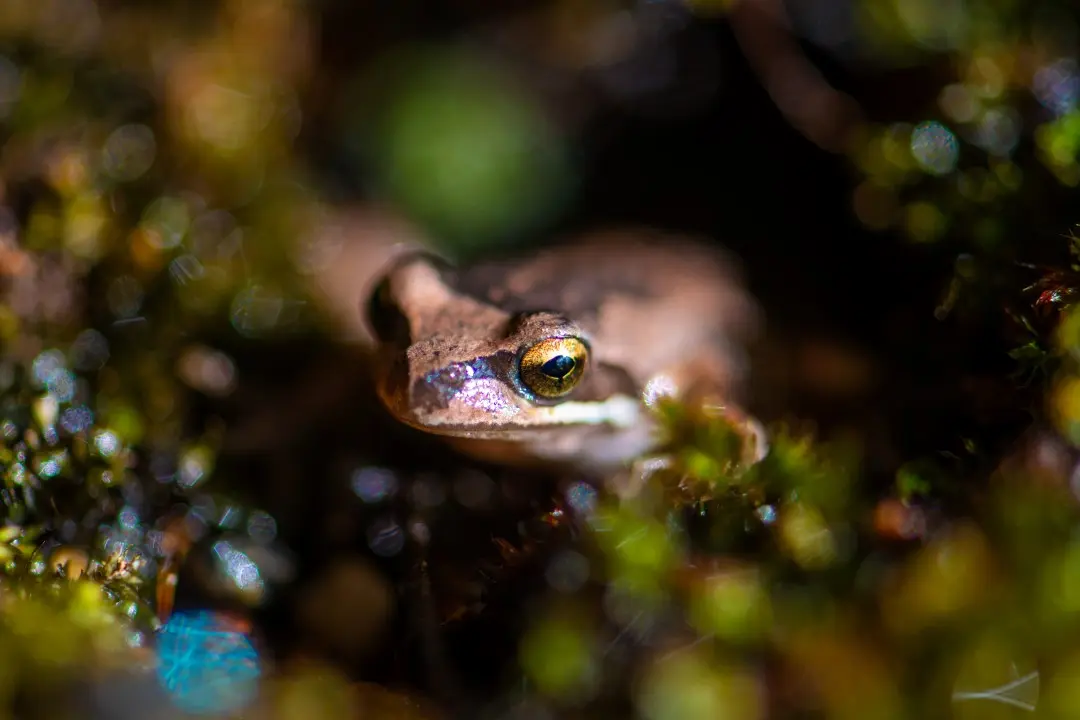
How museum DNA helped unravel the mystery of species
The decisive discovery was made possible thanks to “museomics”, a technique that involves sequencing DNA from historical specimens kept in museums. By uniting genetic data from ancient collections with recently collected material, as well as analyzes of the frogs’ external and skeletal anatomy and sounds, the research team was able to link historical names to the appropriate evolutionary lineages, resolving decades of taxonomic uncertainty.
Historical museum specimens have proven essential for the identification of several species. The museomics work was led by Dr. Alice Petzold from the University of Potsdam in Germany. Dr. Petzold stated that “museum collections are much more than archives of the past – they are essential scientific resources for understanding today’s biodiversity.” “By sequencing historical specimens, including the original type specimens, we are able to answer questions that have persisted for generations,” he added.
Dr. Scherz said the study, published in the journal Vertebrate Zoology, reflects a strong partnership between researchers and institutions in Madagascar and Europe. He also pointed out that the research highlights a deep connection between the study of biodiversity and conservation efforts. Dr. Scherz stated, “Many diamond frogs inhabit forests that are increasingly fragmented by deforestation, but scientists still know very little about the biology of many species.”
Co-author Dr Andolalao Rakotoarison, from the University of Itasy in Madagascar, said: “For many species, we still know almost nothing about their reproductive biology, population size or ecological requirements.” He added that, “without this knowledge, it becomes much more difficult to assess their conservation status and protect them effectively.”
Expectations of new discoveries about diamond frogs
The study’s findings are already being used as a basis for conservation planning in Madagascar. Several of the newly identified species, such as Rhombophryne quentini, have had a direct impact on proposals to strengthen and expand protected areas. However, even after the description of seven new species, increasing the known Rhombophryne total to 27, researchers believe that many other as-yet-unnamed species await scientific discovery and description.
Dr. Scherz added that “each newly described species represents millions of years of unique evolutionary history.” “The more we learn about Madagascar’s remarkable amphibians, the clearer it becomes that there is still much to discover,” he concluded.