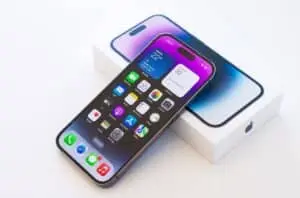
Apple revolutionizes the market with 5.5 mm cell phone and liquid glass screen
Cupertino giant Apple has just introduced the world to a mobile device that redefines the standards of thickness and aesthetics in the technology industry. Focused on combining sophisticated looks with cutting-edge performance, the new ultra-thin smartphone challenges the barriers of modern engineering. The novelty promises to transform the way consumers interact with their daily devices.
To achieve this unprecedented format, the manufacturer had to completely rethink the internal architecture of the equipment. Crucial components such as the motherboard, sensors and battery have undergone an extreme miniaturization process using nanoscale manufacturing methods. This drastic change signals a strong market tendency to abandon heavy and robust models in favor of extremely thin and elegant designs.
Moving away from the traditional use of aluminum and stainless steel, the company invested in highly resistant materials to compose the structure. The main chassis is forged from an aerospace-grade titanium alloy, ensuring not only impressive lightness but also superior durability. Additionally, this metallic choice optimizes heat dissipation, a vital factor in keeping system temperatures under control.
On the same topic: Apple launches new 5.5mm smartphone with liquid glass technology
Structural engineering and the new dimensions arriving on the market
At an incredible 5.5 millimeters thick, the launch is established as the thinnest smart phone ever manufactured by the brand, remembering the recent effort to reduce measurements seen in the launch of the iPad Pro M4. The development team eliminated any unused space inside the device, creating a perfect technological puzzle. The use of aerospace titanium was the solution found to balance the proportion between reduced weight and the need for an indestructible housing.
The adoption of this noble metal directly resolves the fear of accidental bending, a problem that haunted previous generations of very thin cell phones. The structure functions as a rigid skeleton that shields the logic board and high-density battery from external pressure. Advanced metallurgy techniques have allowed the creation of internal reinforcements that increase rigidity without adding extra grams to the final weight of the product.
Visual innovation driven by liquid glass technology
The front of the display introduces revolutionary liquid glass technology, an unprecedented compound that replaces traditional tempered screens. Contrary to what the name suggests, it is not a fluid, but rather a polymeric matrix capable of absorbing the energy of violent impacts. This innovative feature prevents the panel from shattering in the event of falls, offering scratch resistance never before seen in its category.
In addition to extreme durability, the new material brings significant optical advantages to the user experience. The composition drastically reduces reflections and excessive glare, making it easier to read and view content in direct sunlight. This architecture also brings pixels closer to the external surface, creating an optical illusion where images appear to float beneath the consumer’s fingertips.
The application of this protective layer requires a highly rigorous and controlled manufacturing environment. The process involves curing the material using ultraviolet light inside vacuum chambers, ensuring that no air bubbles compromise the integrity of the screen. Due to the complexity of this assembly, initial production capacity at partner factories must be limited, making the debut batch quite exclusive.
More on this story: Apple announces new ultra-thin smartphone with 5.5 mm thickness and liquid glass screen
Advanced thermal management in an ultra-compact chassis
Dealing with overheating is the biggest obstacle when compressing so much processing power into a millimeter of space. To get around this bottleneck, engineers implemented a passive cooling system that combines graphene sheets with an ultra-low-profile vapor chamber. Graphene acts as an excellent thermal conductor, spreading heat efficiently throughout the internal structure.
See Also

Nintendo releases refunds for Xenoblade Chronicles X update on Switch 2 after visual glitches

Valve’s new console reaches $800 with the impact of artificial intelligence

Nintendo makes official new hybrid console and recreation of the classic Zelda
Strategically positioned over the central processor, the vapor chamber contains a special fluid that evaporates when it absorbs heat and then condenses. This continuous cycle moves high temperatures away from the main chip, directing heat towards the metal edges of the phone. This dynamic ensures that the device does not lose performance even during heavy tasks, such as graphics-intensive games or video editing.
Learn more: Apple reveals new smartphone with 5.5 millimeters thickness and liquid glass screen technology
Maintaining this ideal temperature is essential to preserve battery life and operating system stability. Working in conjunction with the hardware, software algorithms constantly monitor the device’s thermal sensors. If necessary, the system dynamically adjusts the processor’s operating speed to avoid any risk of overheating, ensuring safe and continuous usability.
Restructuring of the camera module and rear design
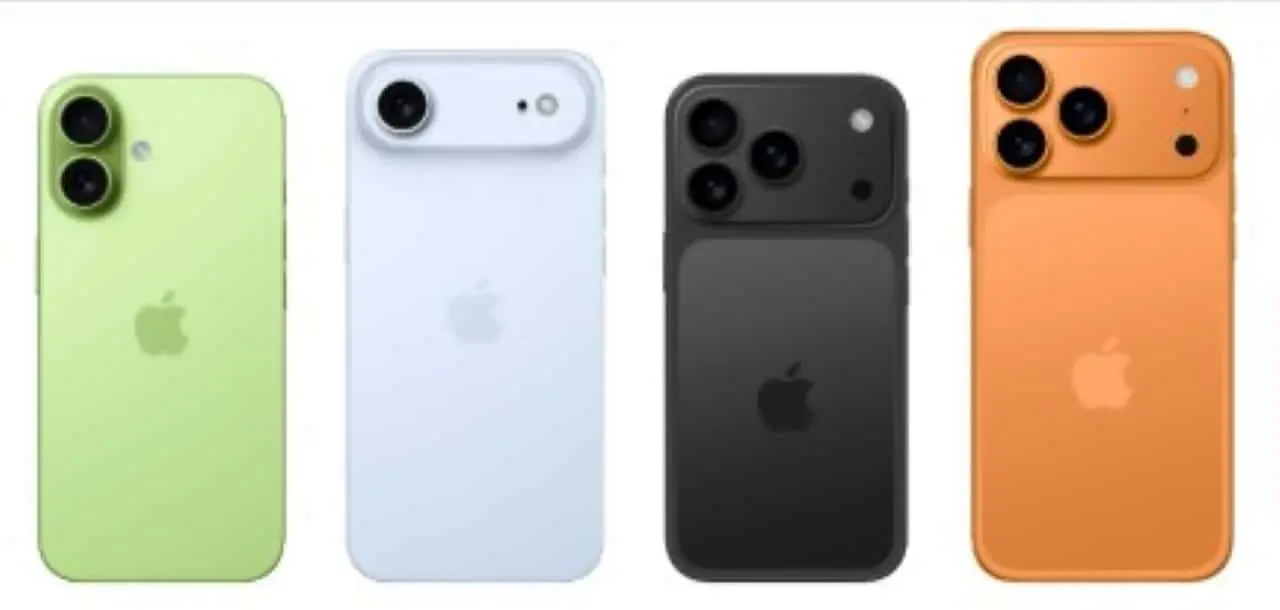
The traditional projection of the rear lenses had to be completely redesigned to adapt to the new thickness of the equipment. The manufacturer opted for a horizontal alignment of the sensors, optimizing the available internal space. The great thing was the inclusion of a periscopic lens system, which allows high-capacity optical zoom without the need to project the glass out of the housing.
This ingenuity resulted in a completely flat back panel, eliminating the protrusion that bothered many users when placing their cell phone on the table. To compensate for the reduced physical size of the lenses, Apple integrated state-of-the-art sensors combined with strong image processing based on artificial intelligence. The software corrects imperfections and improves light capture, delivering professional quality photographs.
Learn more: Apple announces new 5.5mm ultra-thin smartphone equipped with liquid glass technology
Intelligent processing and local task execution
The heart of this new smartphone houses a processor equipped with a Neural Engine dedicated exclusively to artificial intelligence operations. This architecture allows the device to execute complex commands, such as voice recognition, predictive text editing and image processing, directly on the hardware. The independence of cloud servers guarantees an almost instantaneous response to user commands.
Performing these tasks locally brings an invaluable benefit to privacy, as personal data does not need to travel across the internet to be analyzed. Additionally, this approach drastically reduces power consumption as the wireless modem is powered much less frequently. The result is a device that, despite its physically smaller battery, manages to deliver surprising autonomy for everyday life.
- Record thickness of 5.5 millimeters, setting a new milestone in mobile device design.
- Chassis forged in aerospace titanium alloy, ensuring maximum protection against twisting and impacts.
- Front panel equipped with polymer matrix technology, replacing conventional tempered glass.
- Passive heat dissipation system using graphene sheets and an ultra-compact vapor chamber.
- Horizontally aligned photographic module with periscopic lenses, resulting in a flat back.
- Processor with a core focused on local artificial intelligence, prioritizing data security and energy savings.
The introduction of all these technologies in a single device demonstrates the industry’s focus on miniaturizing components without sacrificing power. The launch redefines the concept of portability in the telephone sector, establishing a standard that competing brands will have to pursue in the next innovation cycles.